
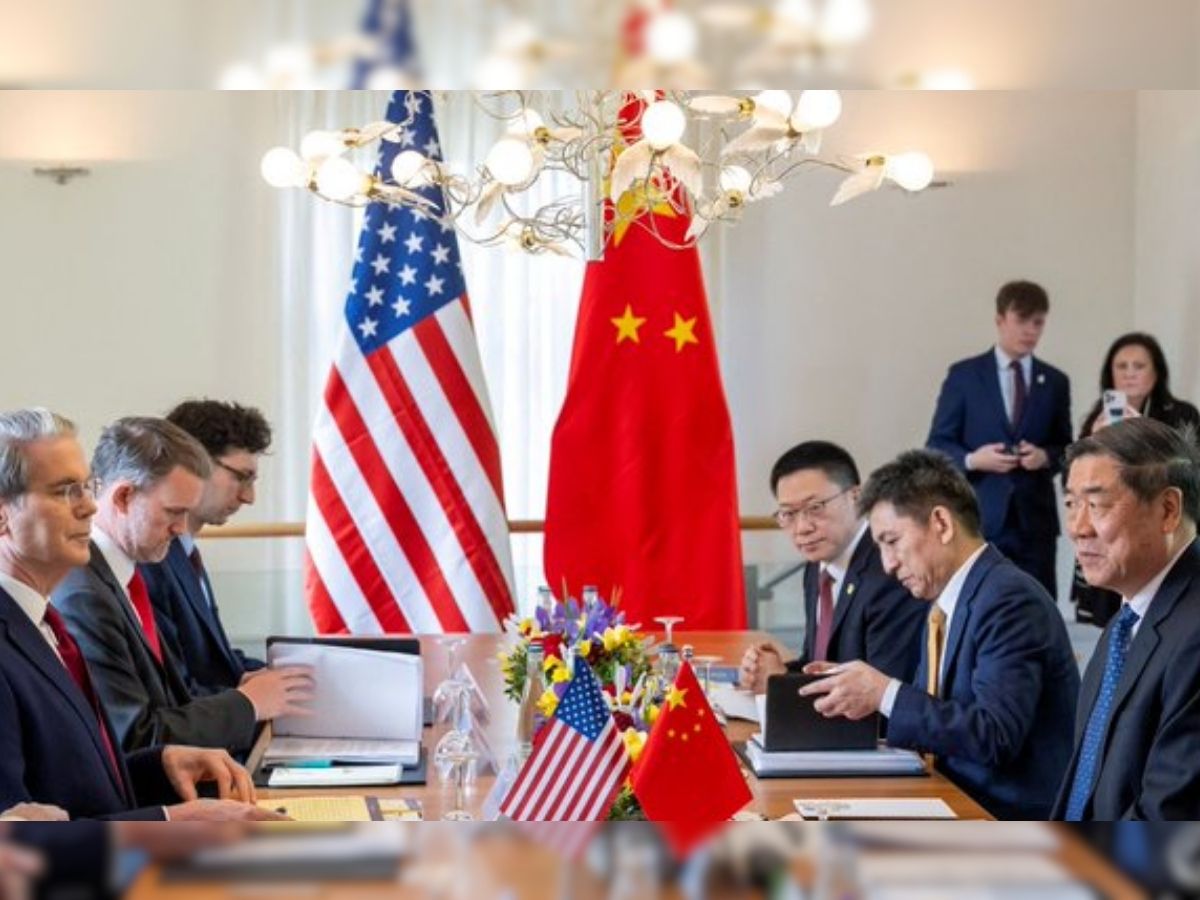

Two days of intense trade negotiations between the US and China in Stockholm wrapped up without a final deal to prevent tariffs from skyrocketing again, according to a CNN report published Tuesday. As of August 12, both sides will face historic high levies unless President Donald Trump approves an extension to the tariff deadline. American officials, however, have expressed hope for a pause to be extended.
US Officials Call Talks ‘Productive’
Treasury Secretary Scott Bessent told reporters in Sweden, “Just to tamp down that rhetoric, the meetings were very productive.” Bessent, however, said the pause in tariffs still ultimately hinges on the US president’s decision. “We just haven’t been given that signoff.”
US Trade Representative Jamieson Greer backed the Treasury Secretary’s stance, reportedly saying, “With respect to a potential pause, we are going to head back to Washington… and talk to the president.”
Trump Signals Optimism
President Trump, for his part, said that he had received a phone call from Scott and that the latter informed him of “a very good meeting with China.”
Trump further said that Bessent would brief him and added, “Today, it worked out… better than he felt yesterday.”
The US President also said that he expects to meet with Chinese President Xi Jinping before the year ends.
Mixed Messaging from China
China’s International Trade Representative Li Chenggang suggested publicly that both sides plan to push for the extension, according to China’s CCTV.
Bessent, however, pushed back on any assumption of final agreement, asserting, “The Chinese deputy minister did say that we had agreed on a pause. We have not.”
“The president has discretion to change the rate depending on circumstances,” Greer said, per CNN.
How Tariffs Could Shift
Current tariffs were reduced in May: US levies on Chinese imports sit at 30% (down from 145%), and Chinese tariffs, on the other hand, are currently at 10% for American goods.
Greer warned without a deal, US tariffs could rise another 34%. However, the exact level depends on Trump’s discretion after 12 August.
Sticking Points Remain
Both the US and Chinese negotiators addressed major issues including China’s export controls on rare-earth metals, which are critical for American tech companies.
Bessent called those restrictions a global supply issue as the US officials pushed China to shift toward a more consumer-driven economy.
Reports suggest the latest round of US-China trade talks did not include pending discussions on US TikTok business deals.
This was the third round of sustained talks between the world’s two largest economies this year.
Prior windows in Geneva and London yielded framework agreements, though key points like rare earth controls and wider economic rebalancing remain unresolved. Those may, in the coming days, determine whether US-China tariffs will pause or snap back to economic gridlock on 12 August.
ALSO READ: Trump Hints at Possible New Levies of 20–25% Tariffs on Indian Imports Amid US-India Trade Talks




