
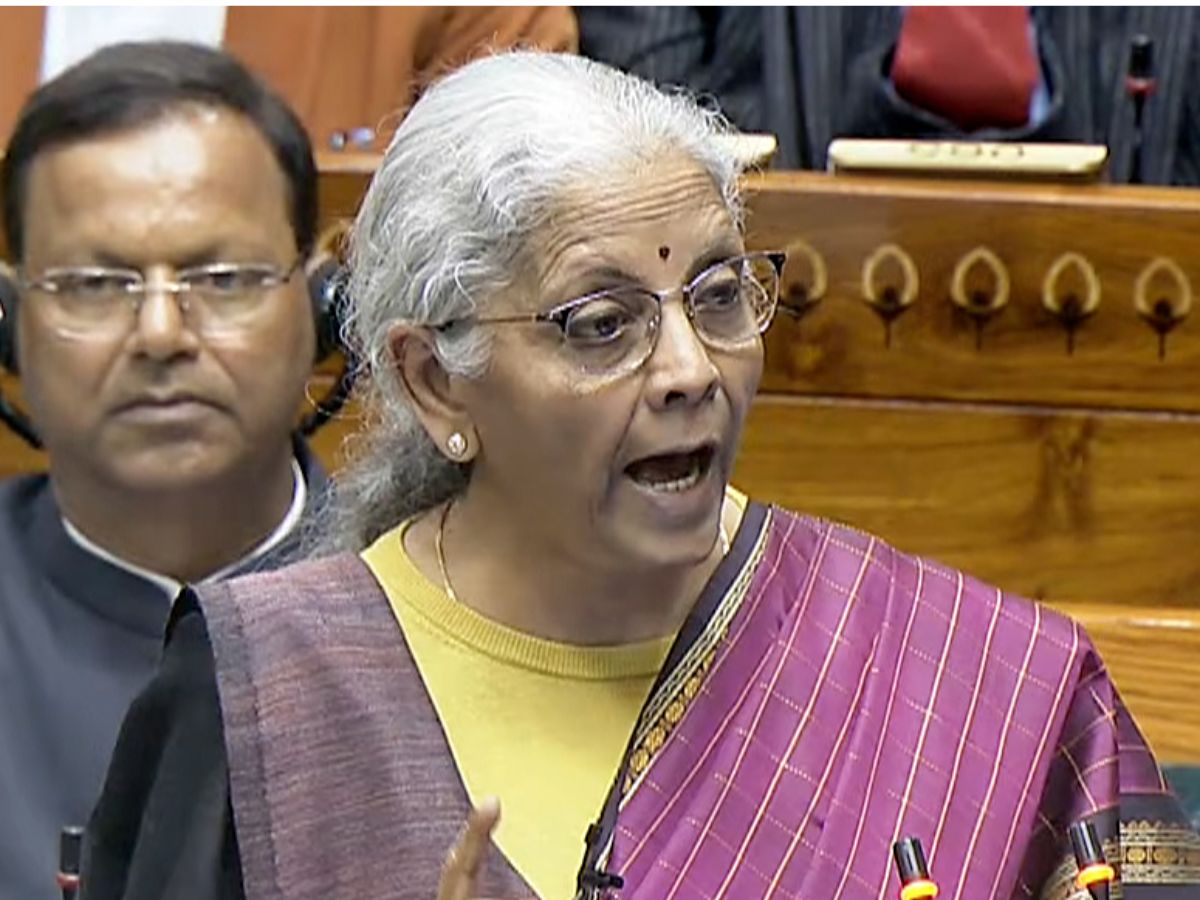

Finance Minister Nirmala Sitharaman on Sunday, February 1, announced strong government support for India’s creative industries, also referred to as the “orange economy”, while presenting the Union Budget 2026–27.
The move aims to create future-ready jobs and strengthen sectors driven by creativity, culture, and innovation.
Highlighting the rapid growth of India’s Animation, Visual Effects, Gaming, and Comics (AVGC) sector, Sitharaman said the industry is expected to require around two million skilled professionals by 2030.
To support this demand, the government will back the Indian Institute of Creative Technologies (IICT), Mumbai, in setting up AVGC content creator laboratories in 15,000 secondary schools and 500 colleges across the country.
The initiative is expected to help build a strong next-generation creator workforce and encourage employment, entrepreneurship, and startups in creative fields.
The Finance Minister also referred to the Economic Survey 2025–26, which identified creativity-led sectors such as culture, media, entertainment, and intellectual property as key drivers of employment, urban services, and tourism.
These activities, described as part of the orange economy, derive value primarily from ideas, artistic expression, and cultural capital.
The Economic Survey further highlighted the potential of the concert economy to boost tourism and urban services, while pointing out challenges such as infrastructure gaps, venue shortages, and regulatory hurdles that need to be addressed to scale up the sector.
In another major announcement, Sitharaman said the government will establish a new National Institute of Design (NID) in the eastern region of India to strengthen design education and industry development.
She noted that while India’s design sector is expanding rapidly, the country continues to face a shortage of trained designers.
The proposed measures reflect the government’s broader push to strengthen creative education, support emerging industries, and generate employment in knowledge- and creativity-driven sectors.
(Inputs From ANI)




