
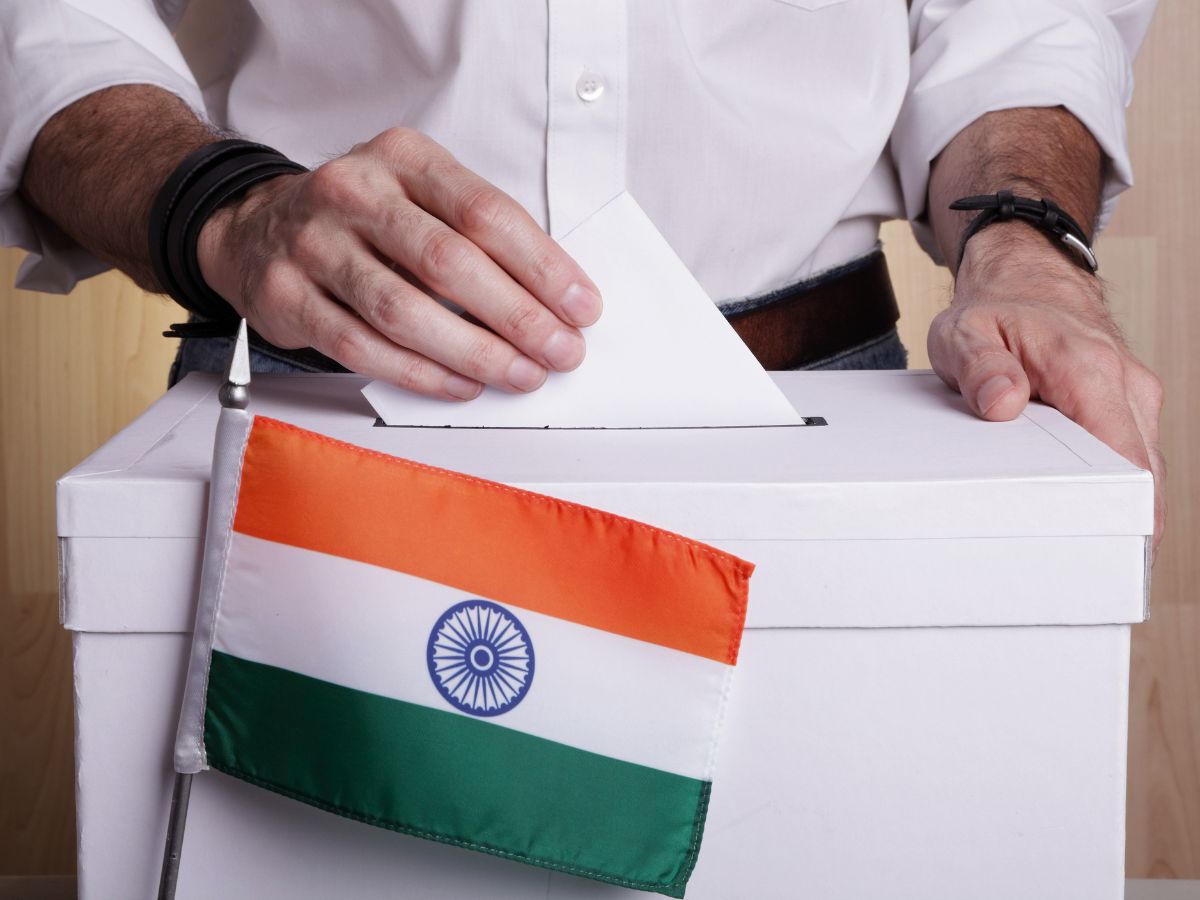

Assembly Elections 2026: As the country moves forward towards the Assembly Elections of 2026, the Election Commission of India has extended its reach through other means of voting to make sure that no voter is disenfranchised. Postal ballots and home voting will enable senior citizens and people with disabilities (PwD) to exercise their democratic rights from the comfort of their homes.
Overwhelming Response for Home Voting in Kerala
The state of Kerala has seen an outstanding response to the home voting campaign. As much as 96% of the registered voters have taken part in home voting in the Pathanamthitta district alone.
The facility is specifically designed for senior citizens aged 85 years and above and Persons with disabilities (PwDs).
Officials say the high turnout reflects both efficient execution and trust in the system, with more voters opting for doorstep voting.
What Is Home Voting and Who Can Use It?
Home voting allows eligible voters to cast their ballots from their residence, eliminating the need to visit polling booths.
To qualify:
-
Voters must be 85+ or PwDs with at least 40% disability
-
They must apply in advance using Form 12D
-
Applications are submitted via Booth Level Officers (BLOs)
Certain essential service workers may also qualify under the “absentee voter” category.
How the Home Voting Process Works
Once approved, election authorities deploy mobile polling teams to voters’ homes. Each team typically includes:
-
Polling officials
-
A micro observer
-
A videographer
-
Security personnel
A temporary voting compartment is set up inside the home to ensure secrecy. Voters are informed in advance via SMS about the visit.
If a voter is unavailable, a second and final visit is arranged. Missing both visits means the voter cannot cast their vote later at a polling booth.
Why Kerala Extended Home Voting
The home voting window in Kerala was recently extended to improve participation.
Officials cited reasons such as:
-
Voters being unavailable during initial visits
-
The need to cover missed or delayed cases
The extension aims to ensure maximum coverage and inclusivity, especially for vulnerable groups.
Transparency and Safeguards in Home Voting
To maintain credibility:
-
Lists of eligible voters are shared with political parties
-
Party representatives can be present during voting
-
The entire process is videographed
Officials also ensure proper identity verification and strict adherence to secrecy norms.
Postal Ballots: Another Key Option
Apart from home voting, postal ballots offer another way to vote remotely.
This facility is available to:
-
Senior citizens (85+)
-
PwDs
-
COVID-19 patients or suspected cases
-
Essential service workers
-
Media personnel
Postal ballots are part of the Election Commission’s broader push to expand voting access.
How to Use Postal Ballots
Eligible voters must apply in advance through election officials or BLOs. Once approved, they receive a postal ballot kit, which includes:
-
Ballot paper
-
Declaration form
-
Sealed envelopes
Voters must:
-
Mark their choice on the ballot
-
Sign the declaration form
-
Seal and return the ballot before the deadline
Failure to follow instructions or delays can lead to rejection of the vote.
Ensuring Free and Fair Remote Voting
Election authorities play a crucial role in:
-
Distributing and collecting ballots
-
Verifying voter identity
-
Safely handling and counting votes
Strict procedures are in place to maintain the integrity and secrecy of the voting process.
Making Elections More Inclusive
Both home voting and postal ballots are designed to ensure that physical limitations do not become barriers to democracy.
These initiatives:
-
Improve accessibility for vulnerable voters
-
Increase overall voter turnout
-
Strengthen democratic participation
As elections like the forthcoming Assam Assembly elections slated to take place on April 9 come around, these technologies are likely to become vital in ensuring more voter participation.
The Election Commission has taken a revolutionary step towards increasing voter accessibility by making voting easier through door-to-door services. Voting can be done either through a postal ballot or even a household ballot.
Sofia Babu Chacko is a journalist with over five years of experience reporting on Indian politics, crime, human rights, gender issues, and stories about marginalized communities. She believes journalism plays a crucial role in amplifying unheard voices and bringing attention to issues that truly matter. Sofia has contributed articles to The New Indian Express, Youth Ki Awaaz, and Maktoob Media. She is also a recipient of the 2025 Laadli Media Awards for gender sensitivity. Beyond the newsroom, she is a music enthusiast who enjoys singing. Connect with Sofia on X: https://x.com/SBCism




