
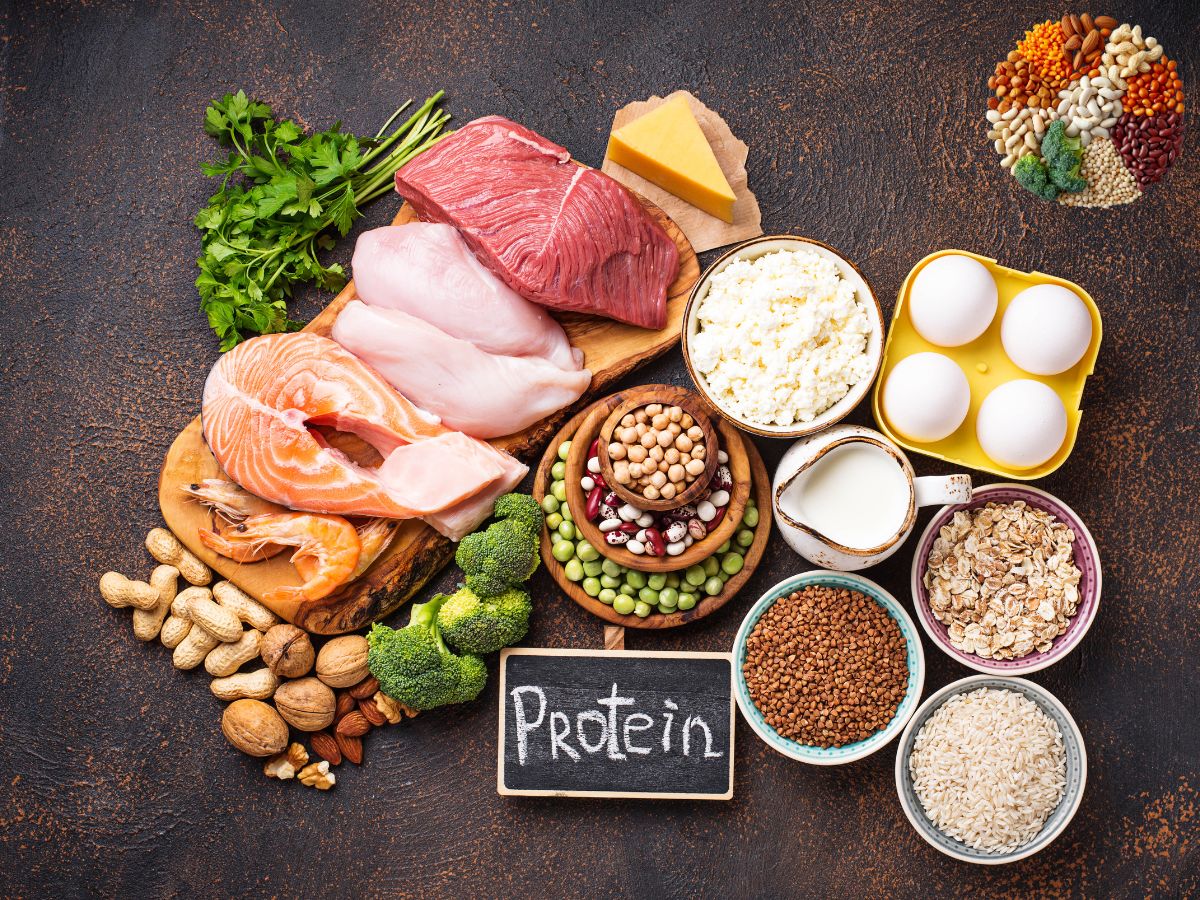

High-protein foods need to be consumed for building muscles and generating energy from food sources, and they also aid in the repair processes. Some food products are potentially more likely to increase susceptibility to coronary heart disease and cancer risk. These are processed meats, like bacon, sausage, and salami, which have high saturated fat and cholesterol contents. This combination will, in turn, increase the chances of coronary artery diseases and raise your levels of LDL cholesterol, which is commonly referred to as the “bad cholesterol”. In addition, eating excessive amounts of red meat has also been linked, to some extent, to be a possible etiological factor for coronary heart disease, as well as some cancers, mainly colorectal cancer. As if to amplify, deep-fried, fatty protein foods would add their share to unhealthy fat intake. As if to amplify, deep-fried, fatty protein foods would add their share to unhealthy fat intake.
On the other hand, plant proteins include legumes, nuts, seeds, tofu, and fish. They are beneficial to the heart. These foods also provide nutrients, fiber, and healthy fats that lower overall heart disease risk and improve cholesterol profiles. Eating fish and seafood regularly can provide full cardiovascular protection.
Recently, the relationship between high-protein diets and health has become more complex. Current evidence associates cancer risk with the consumption of very high levels of animal-based protein, especially in older adults. Plant proteins generally tend to have a protective effect. The type and source of protein matter more than quantity alone.
Moderation is key. Consuming lean meats, poultry, and eggs in restrictions and increasing the intake of plant proteins are reported as healthy choices. Following a healthy diet, avoiding processed meat, reducing red meat intake, and working on cardiovascular health and cancer risks would lead to a better outcome in the long run. Qualified healthcare professionals can recommend the best nutrition for individuals based on their particular health profile.
To summarize, high-protein diets have to focus on quality protein sources to ensure maximum health benefits and the least risk.
Shubhi is a seasoned content writer with 6 years of experience in digital media. Specializing in news, lifestyle, health, sports, space, optical illusions, and trending topics, she crafts engaging, SEO-friendly content that informs and captivates readers. Passionate about storytelling, Shubhi blends accuracy with creativity to deliver impactful articles across diverse domains.




