

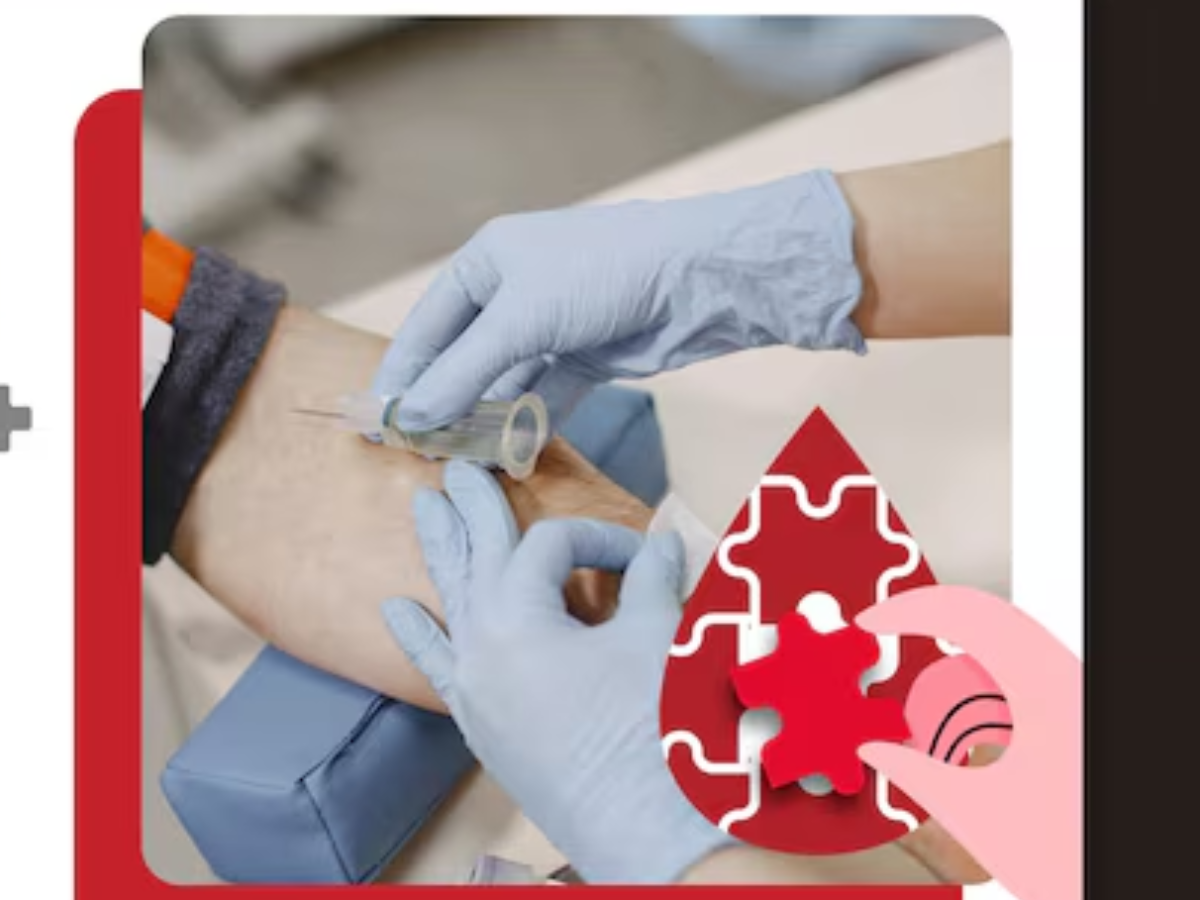
The first sign of hemophilia isn’t a diagnosis but a crisis for many families. A minor fall that won’t stop bleeding, a dental procedure gone wrong or an unexplained joint swelling suddenly reveals a condition that has silently existed for years.
It is difficult to recognize hemophilia because its initial symptoms are usually negligible and therefore ignored. Bruises, profuse bleeding from wounds and nose bleeds are often taken for granted as being ‘normal’. In many instances, hemophilia is only recognized when there is a surgery or an injury resulting in abnormal bleeding.
Dr Shrinidhi Nathany, Consultant, Molecular Hematology and Oncology, Agilus Diagnostics says, “An important gap exists even in terms of awareness. Since there is limited testing and low suspicion on the part of the caregiver, the condition remains undiagnosed in many parts of India. The family history, which is an important indicator for detecting the condition, may not be known. In addition to that, women suffering from the disease are not recognized as carriers.”
He further adds, “The risk of failing to identify hemophilia is too great. Internal bleeding, particularly in joints, can result in permanent disability and impaired quality of life. It is essential to diagnose this disease as soon as possible since despite the fact that bleeding might not cause serious harm at first, it needs to be treated.”
Hemophilia, a genetic bleeding disorder, often remains undiagnosed until a severe bleeding episode brings it to medical attention. Despite advances in healthcare, thousands of cases continue to be missed globally, particularly in low- and middle-income countries like India.
“One of the primary reasons is limited awareness. Early symptoms—such as frequent bruising, prolonged bleeding from minor cuts, or nosebleeds—are often overlooked or mistaken for normal childhood occurrences. In mild cases, individuals may not experience noticeable symptoms until a major injury, surgery, or dental procedure triggers excessive bleeding,” says Dr Rahul Bhargava, Principal Director of Hematology and Bone Marrow Transplant, Fortis Memorial Research Institute, Gurugram.
He further adds, “Another key factor is inadequate access to diagnostic facilities. Specialized blood tests required to confirm hemophilia are not widely available in many regions, leading to delayed or missed diagnoses. Additionally, social stigma and lack of family history awareness further contribute to underreporting, especially among women who may be carriers but remain undiagnosed.”
Misdiagnosis is also common, with symptoms sometimes attributed to platelet disorders or other conditions. This delays appropriate treatment and increases the risk of complications such as joint damage, internal bleeding, and even life-threatening hemorrhages.
Addressing this gap requires increased awareness, improved screening programs, and better access to diagnostic care. Early detection is critical to managing hemophilia effectively and preventing severe health consequences.
ALSO READ: Russian Youtuber, Who Falsely Accused Indian Man Of Being A Child Predator, Apologises
Olivia Sarkar is a Senior Content Producer on the Entertainment and Lifestyle desk with 6 years of experience. In 6 years, she worked with ANI, IANS, Zee News. Known for covering trends and engaging storytelling, she covers a wide spectrum of topics including entertainment news, fashion, fitness, health, food, travel, astrology. From major film announcements to industry controversies. Throughout her career, she has interviewed several notable personalities such as Femina Miss India World 2022 Sini Shetty, Miss World 2024 USA contestant Victoria DiSorbo, Miss France 2020 Clémence Botino.Her interview portfolio also includes celebrities like Milind Soman, Tiger Shroff, and Vikrant Massey, along with acclaimed singers Shubha Mudgal and Padma Shri awardee Dr. Jaspinder Narula. Beyond work, Olivia enjoys exploring new food joints, being wanderlust, and writing poetry. You can reach her out on X: @OliviaSarkar11





