
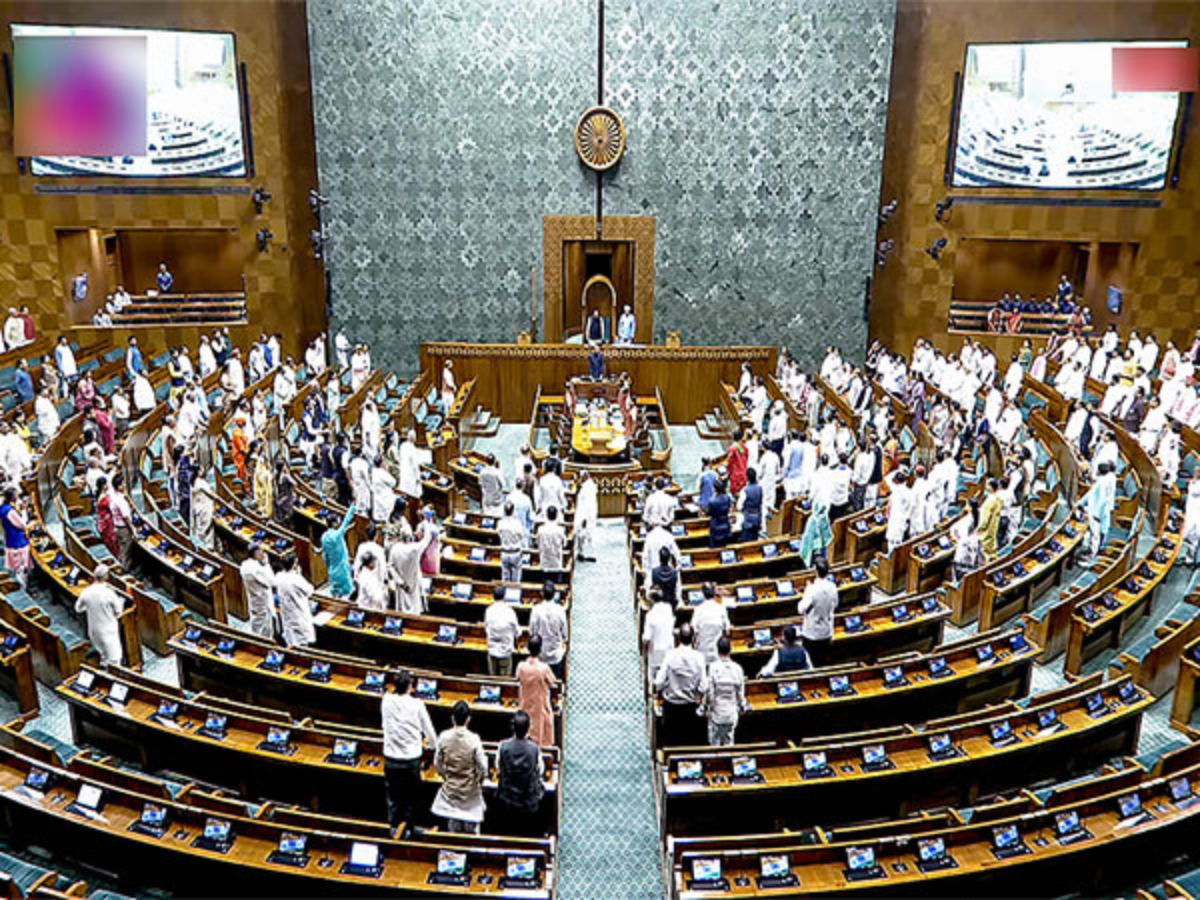

The Members of Parliament in the Lok Sabha, speaker and other members observed a two-minute silence in the Lok Sabha for paying tributes to the victims of the Hiroshima and Nagasaki bombings on the 80th anniversary.
Watch: A two-minute silence was observed in the Lok Sabha to pay tribute to the victims of the Hiroshima and Nagasaki bombings on the 80th anniversary
(Video Courtesy: Sansad TV) pic.twitter.com/va28xfRWsW
— IANS (@ians_india) August 6, 2025
What do we know about the Hiroshima and Nagasaki bombings?
According to the official website of the Imperial War Museums, at 8.15 AM on 6th August 1945, the Japanese city of Hiroshima was struck by the first atomic bomb to be used as a weapon of war. This bomb was nicknamed Little Boy and was dropped from the US Air Force B29 bomber Enola Gay. It exploded some 1,800 feet above the city. This bomb delivered the equivalent of around 12.5 kilotons of TNT and reduced 5 square miles of the city centre to ashes. It also caused the deaths of an estimated 120,000 people within the first four days following the blast. Due to the explosion, many people were instantly vaporized and others died afterwards from the effects of burns and radiation.
According to the Firstpost, on August 9, 1945, a more powerful atomic bomb had detonated over the Japanese city of Nagasaki. A US B-29 bomber, Bockscar, dropped a plutonium bomb dubbed “Fat Man” on the city. This led to the deaths of 40,000 people instantly and another 40,000 deaths from injuries and radiation sickness.
What do we know about the long-term effects of radiation on Japanese people?
According to the Livemint, many people Japan who survived the initial explosions suffered from acute radiation sickness. The long-term effects of this radiation sickness included- nausea, hair loss, internal bleeding, and vomiting. Over the passage of time, survivors, known as hibakusha, faced higher risks of leukaemia and other cancers.
However, a Japanese-US research study found no significant rise in congenital disabilities among their children.
Also read: Hiroshima and Nagasaki Bombings: How the World’s First Nuclear Attacks Unfolded




