
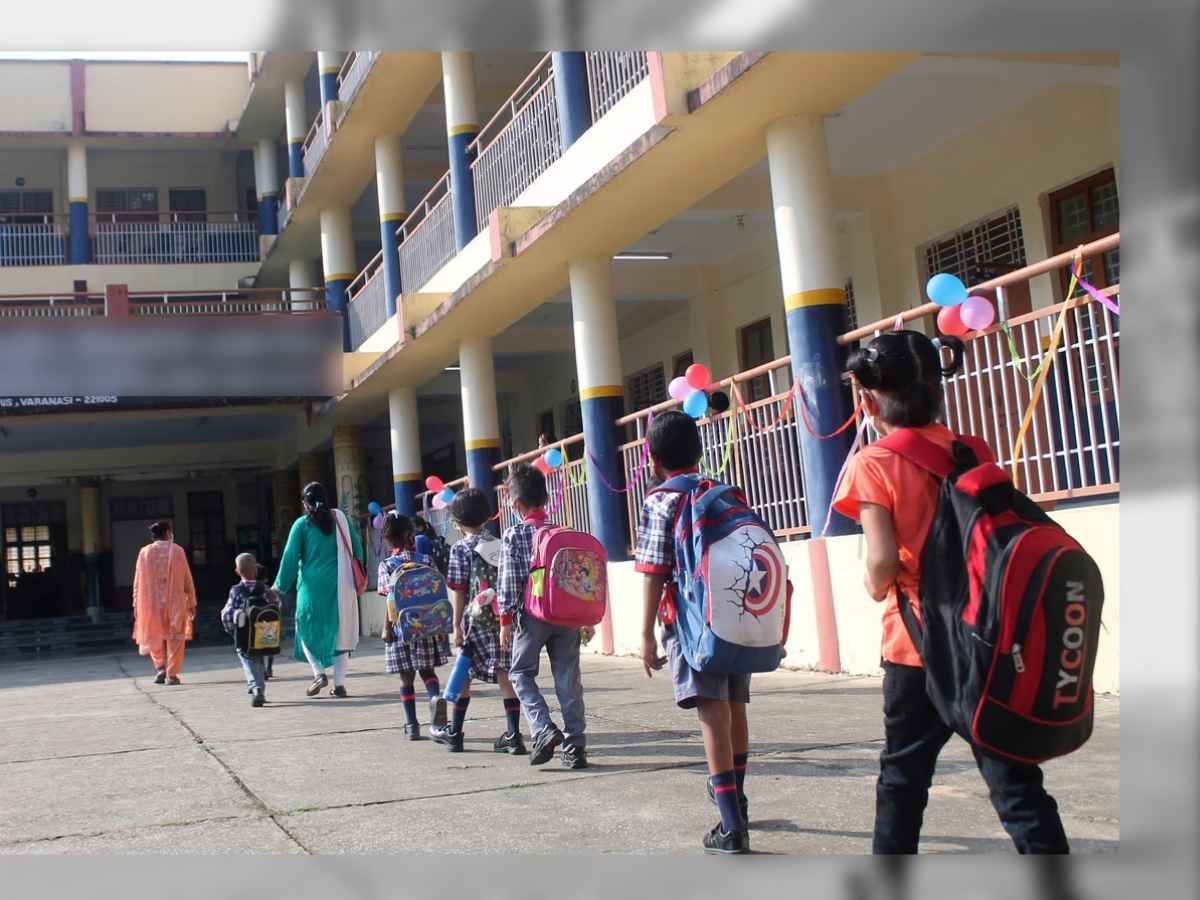

In a landmark decision on the education system in Uttar Pradesh, the Lucknow bench of Allahabad High Court endorsed the decision of the state government to merge thousands of primary schools with upper primary schools in the area. The Court rejected a petition from 51 children, from Sitapur, who opposed the state’s June 16, 2025 direction with respect to the merger of schools.
Justice Pankaj Bhatia, who rendered the decision, concluded there was no substance to the claim that merging schools compromised students’ rights to education. This ruling paves the way for the state’s proposal to merge nearly 50,000 primary schools with low or very low enrolment into composite or upper primary schools across Uttar Pradesh.
Why Was the Petition Filed?
The children from Sitapur claimed that their education would be severely restricted if their local rural schools merged, particularly due to limited transport. They argued small village schools are essential for consistency and accessibility, especially for young children and girls.
However, the court favored the state who defended its policy as a fundamental enhancement of educational quality. The government argued merging currently underutilized schools would better match infrastructure with resources as well as teacher-student ratios.
Pilibhit Residents Take Legal Route Too
Even as the Sitapur petition was being rejected, similar concerns have now emerged from Pilibhit district. Residents of Chandpur village in Block Bilsanda—Subhash, Yashpal Yadav, and Atyendra Kumar have filed a fresh petition challenging the merger policy.
They have made several authorities party to the case, including the Director General of School Education, the Director of Basic Education, and officials from the District Magistrate to the Block Education Officer. Their petition claims that merging schools based solely on student numbers disregards the ground reality in rural regions and violates children’s right to education under the Indian Constitution.
The court is expected to take up this new petition for hearing within the next few days.
What the Government Says
The Uttar Pradesh government, in its official position, clarified that with the policy is for long-term change. The officials have argued, that schools with next to no enrolment did not provide a quality education, and were generally lacking in basic resources.
Under the Basic Education Department’s June 2025 order, smaller primary schools will be absorbed into larger nearby schools to build composite institutions offering better teaching, infrastructure, and administrative focus.
Concerns Remain in Rural Areas
Even with government promises, critics say this decision could introduce even more marginalization among rural kids, especially in villages that don’t have regular transport. Parents are worried that longer distances for travel will dissuade children from coming to school, as there is a high likelihood of losing the education of children in these young years.
Activists and some educators also indicated there could be confusion and transitional challenges for students and teachers alike.
What Lies Ahead
Although the court ruled in favour of the state, the plan to consolidate schools would proceed, unless stayed by future court challenges. The government has to set up systems to be able to transition well and ensure no child is lost in the transition.
The coming weeks will be important, especially with new petitions queued up already – the petition from Pilibhit is next in line.




