
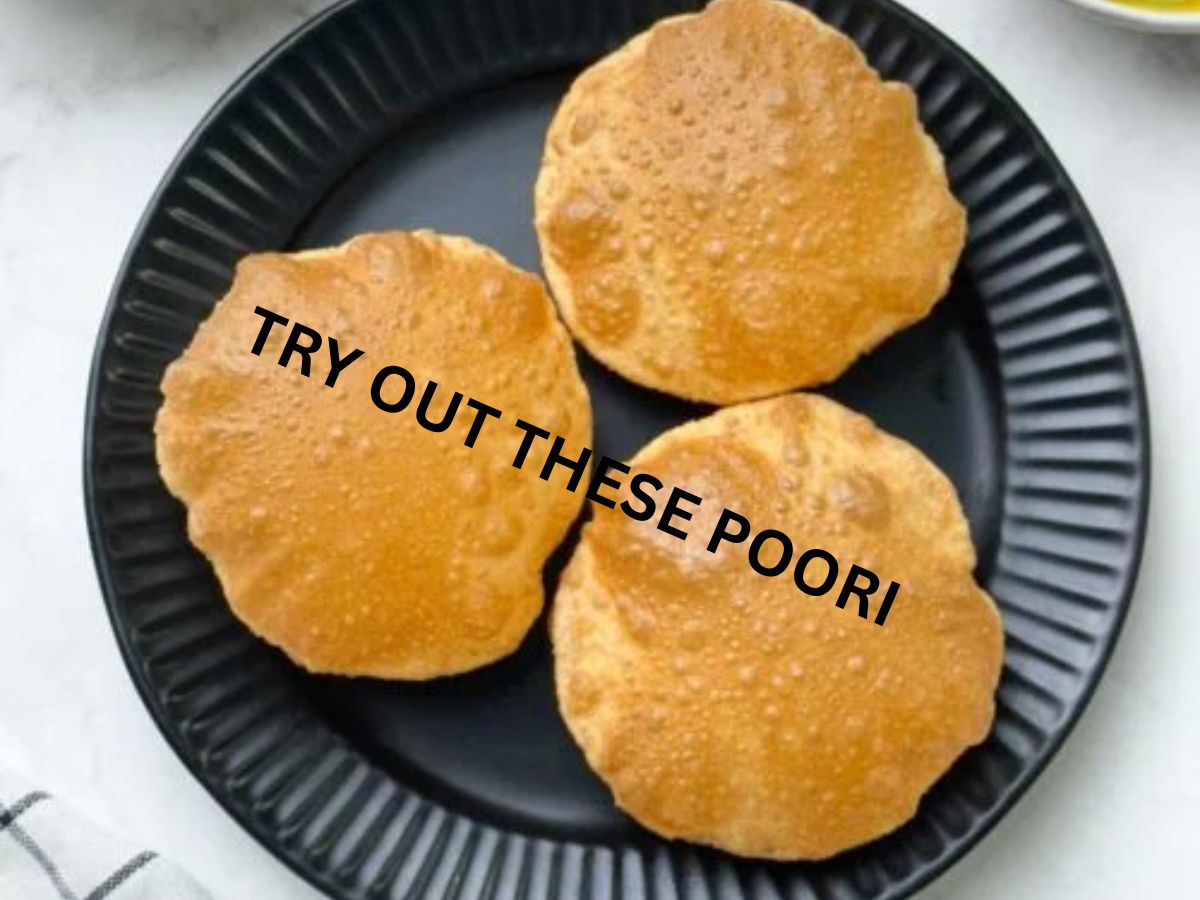

Pooris are an integral part of Indian cuisine, celebrated for their versatility, flavor, and ability to pair with a wide variety of dishes. From hearty breakfast spreads to festive lunches, pooris are loved across the country in countless variations. Each region in India has its unique twist, making this simple deep fried bread a canvas for diverse culinary traditions. Let’s explore some of the most popular types of pooris found across India.
Bedmi Poori- A North Indian Breakfast Classic
Bedmi Poori is a beloved dish in Uttar Pradesh and Delhi. Made with wheat flour and stuffed with a spiced urad dal mixture, it offers a burst of flavor in every bite. Typically served with aloo sabzi, it’s a festive breakfast favorite, especially during celebrations and weddings.
Luchi- Bengal’s Delicate Delight
Originating from Bengal, Luchi is a refined and softer version of poori. Prepared with all purpose flour instead of wheat, these pooris are light, fluffy, and melt in the mouth. Luchi pairs perfectly with dishes like aloo dum or cholar and is often a part of special occasions.
Masala Poori- Flavor Packed Goodness
Masala Poori adds a twist to the traditional recipe by mixing spices like cumin, turmeric, and chili powder directly into the dough, giving the pooris a vibrant green color and a boost of nutrition. It’s a favorite among children and pairs well with mildly spiced curries.
Palak Poori- A Nutritious Green Version
For those looking to add a healthy spin, Palak Poori is the go to option. Fresh spinach puree is kneaded into the dough, giving the pooris a vibrant green color and a boost of nutrition. It’s a favorite among children and pairs well with mildly spiced curries.
Bhatura- The Big, Bold Cuisine
While technically not a traditional poori, Bhatura deserves a mention for its popularity. Larger and softer, this deep-fried bread is made with fermented dough. It’s the star companion to chole, forming the iconic Chole Bhature, a dish loved across North India.
Methi Poori- The Winter Special
Methi poori is made by adding fresh fenugreek leaves to the dough. This variation is especially popular during the winter months, offering a warm, earthy flavor. It pairs perfectly with spicy potato curries or pickles.
Rava Poori- A Crispy Twist
Rava Poori, made with semolina, has a crispy texture that sets it apart. Popular in South India, this poori variant is usually served with coconut based curries or tangy sambar for a delightful meal.
Conclusion
From the hearty Bedmi Poori of the north to the delicate Luchi of the east and the crispy Rava Poori of the South, every type of poori tells a story of regional traditions and tastes. Whether for breakfast, lunch, or festive celebrations, pooris continue to hold a special place in India’s diverse culinary landscape.




