
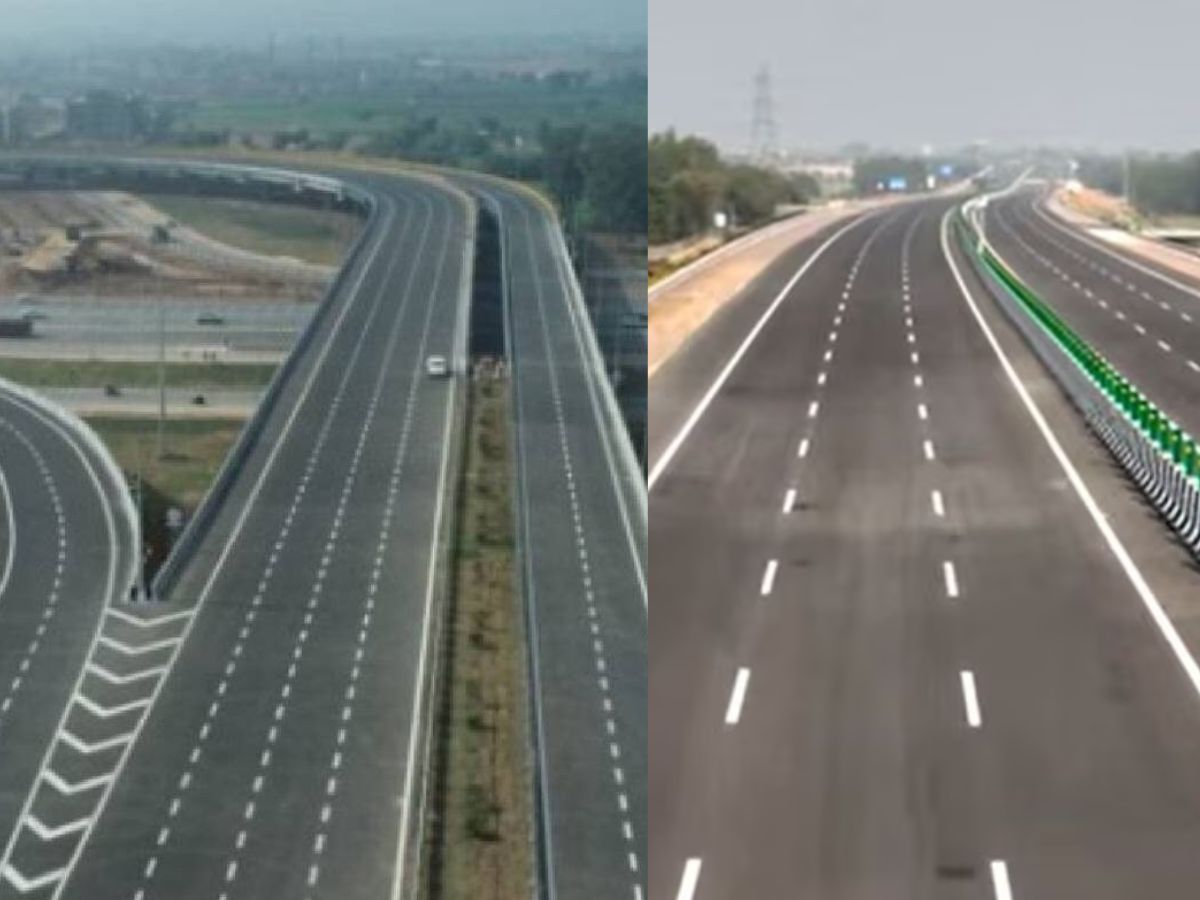

India’s transit system will experience its most important change in 2026 when multiple advanced corridors begin their first day of service after finishing construction work.
The Ganga Expressway will become Uttar Pradesh’s most extended high-speed route, which serves as the main project for this initiative. The greenfield projects operate at designed speeds reaching 120 kmph because their access-controlled systems protect against crashes while they operate with maximum fuel efficiency.
The routes serve as travel pathways but also function as economic development tools that connect remote production centers with city marketplaces, while the system operates under constant watch from advanced surveillance systems and emergency response units.
Ganga Expressway
The Ganga Expressway represents an exceptional engineering achievement, which extends 594 kilometers to connect the eastern and western regions of Uttar Pradesh.
The six-lane corridor, which starts from Bijauli village in Meerut and ends at Judapur Dando village in Prayagraj, allows users to travel between both endpoints in six hours instead of twelve.
The project establishes a dedicated 3.5-kilometer airship strip at Shahjahanpur, which serves as an emergency military landing site for its route through Hapur, Bulandshahr, Rae Bareli, and nine additional districts.
The infrastructure improvement will create better transportation options, which will lead to industrial development throughout the Ganges basin area by the year 2026.
Connectivity Corridors
The Connectivity Corridors, which connect Delhi to Mumbai and Delhi to Amritsar-Katra, will provide new solutions for interstate logistics operations after they finish building in 2026.
The complete route of the Delhi-Mumbai leg, which extends 1,350 kilometers, will connect five states to Surat and Mumbai. The 650 km Delhi-Amritsar-Katra Expressway will create uninterrupted access to Jammu and Kashmir through its 12 km elevated wildlife corridor, which crosses Rajaji National Park.
The constructed pathways serve to redirect vehicle flow away from busy city centers, which allows trucks and passenger buses to maintain constant speeds that minimize national transport environmental effects.
A recent media graduate, Bhumi Vashisht is currently making a significant contribution as a committed content writer. She brings new ideas to the media sector and is an expert at creating strategic content and captivating tales, having working in the field from past four months.




