
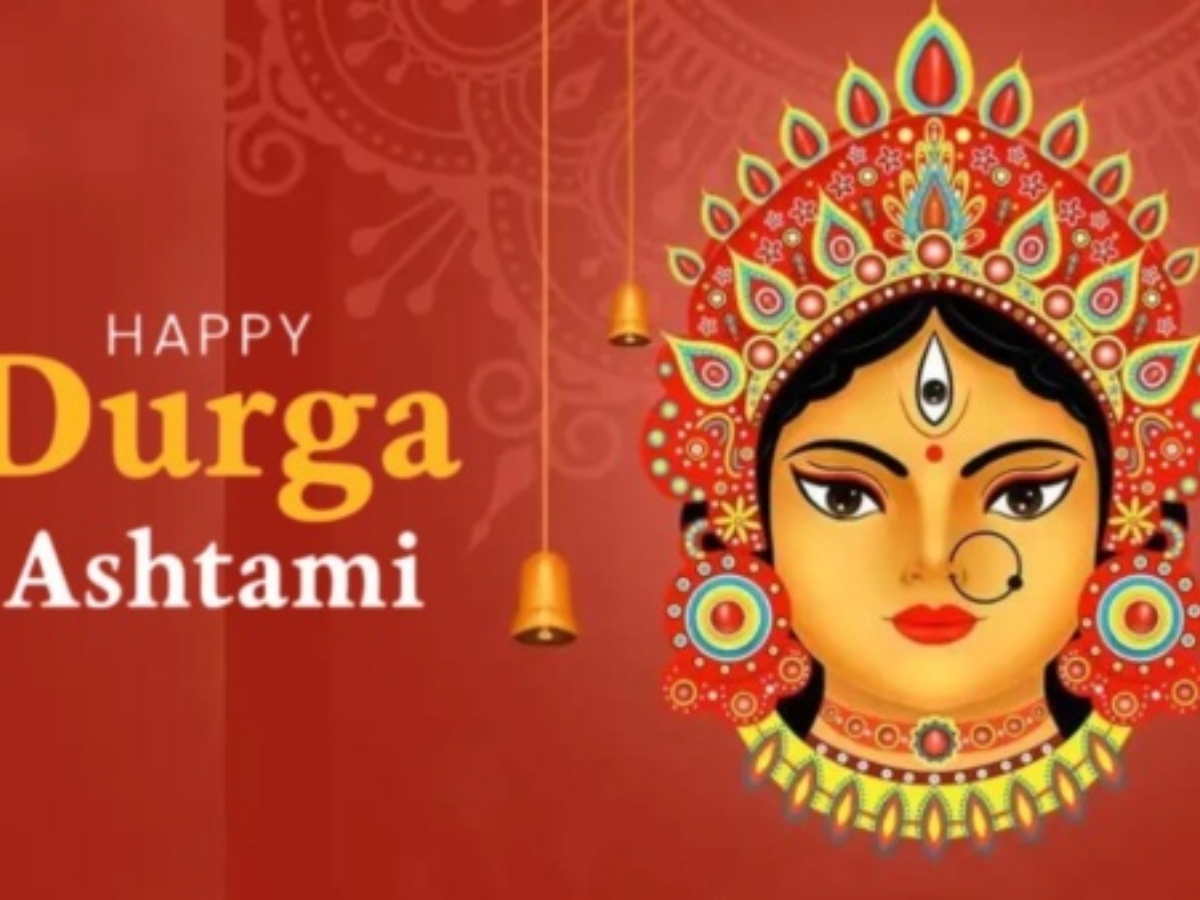

Maha Ashtami, the eighth day of Durga Puja, will be observed on September 30, 2025. According to the Hindu calendar, Maha Navami will follow on October 1, during Shukla Paksha of the Ashwin month. These days mark the peak of Navratri celebrations, which began on September 22.
Devotees celebrate these occasions with great vigour and devotion. Durga Visarjan will take place on October 2, which is also observed as Vijayadashami. Popularly known as Dussehra, Dashahra, or Dashain in different regions, the day symbolises the triumph of good over evil and concludes the ten-day-long Durga Puja festivities.
Maha Ashtami Puja Timings and Rituals
As per Drik Panchang, the Ashtami Tithi will begin at 4:31 PM on September 29, 2025, and end at 6:06 PM on September 30, 2025. Devotees consider this day highly auspicious for performing Pushpanjali, Sandhi Puja, and other rituals. Maha Navami will follow on October 1, marking the heart of the celebrations.
On Maha Ashtami, worshippers gather in large numbers at pandals and temples to offer prayers to Goddess Durga. Cultural programmes, devotional songs, and traditional dances also mark the day, while families perform puja at home with offerings, prayers, and special rituals dedicated to the Goddess.
Spiritual Significance of Maha Ashtami
Maha Ashtami holds immense spiritual importance in Durga Puja traditions. The day is dedicated to Goddess Durga’s victory over demons Chanda, Munda, and Raktabija, highlighting the triumph of divine energy over evil forces. Devotees also worship Maa Mahagauri, an incarnation of Adi Shakti, on this day.
Scriptures describe her as a symbol of purity, serenity, and tranquillity. Worshippers believe that offering prayers to Maa Mahagauri brings peace, happiness, and prosperity. Rituals and prayers performed on this day strengthen the faith of devotees and reflect the cultural and religious unity observed during Navratri and Durga Puja festivities.
Kumari Puja On Ashtami Or Navami?
Kumari Puja, also called Kanya Puja, Kumarika Puja, or Kanjak Puja, is performed on Maha Ashtami or Maha Navami. Devotees honour unmarried girls between the ages of two and ten as living embodiments of Goddess Durga. Scriptures advise performing Kumari Puja daily during Navratri, but most people prefer Navami.
Each age represents a form of the Goddess, such as Kumarika, Kali, Durga, or Subhadra. Devotees worship the girls by washing their feet, applying tilak, and offering puri, chana, and halwa. The ritual concludes with gifts or money, symbolising gratitude and blessings for prosperity and success.
Must Read: 5 Time MP, And 2 Time MLA – Veteran BJP Leader Vijay Kumar, Passes Away At 94
Swastika Sruti is a Senior Sub Editor at NewsX Digital with 5 years of experience shaping stories that matter. She loves tracking politics- national and global trends, and never misses a chance to dig deeper into policies and developments. Passionate about what’s happening around us, she brings sharp insight and clarity to every piece she works on. When not curating news, she’s busy exploring what’s next in the world of public interest. You can reach her at [swastika.newsx@gmail.com]




