
Less Pain Less Bloat!! The Foods You Should Avoid During Periods
During mensuration, certain foods can worsen common symptoms such as bloating, mood swings and fatigue. These foods can also cause water retention and digestive issues, making the period experience more unpleasant.

Caffeinated Beverages
Caffeine can constrict blood vessels, potentially worsening cramps and increasing anxiety or irritability. Try to avoid items having caffeine to reduce pain.

Salty foods
High sodium foods like chips, processed snacks, and fast food can cause the body to retain water, leading to bloating and swelling. Girls do crave for it but it can really be problematic during your cycle.

Sugary foods
Excessive sugar intake can cause blood sugar spikes and crashes, leading to mood swings, fatigue, and cravings. Eating a little amount of sugar is fine, but eating excessively can lead to pain after sometime.
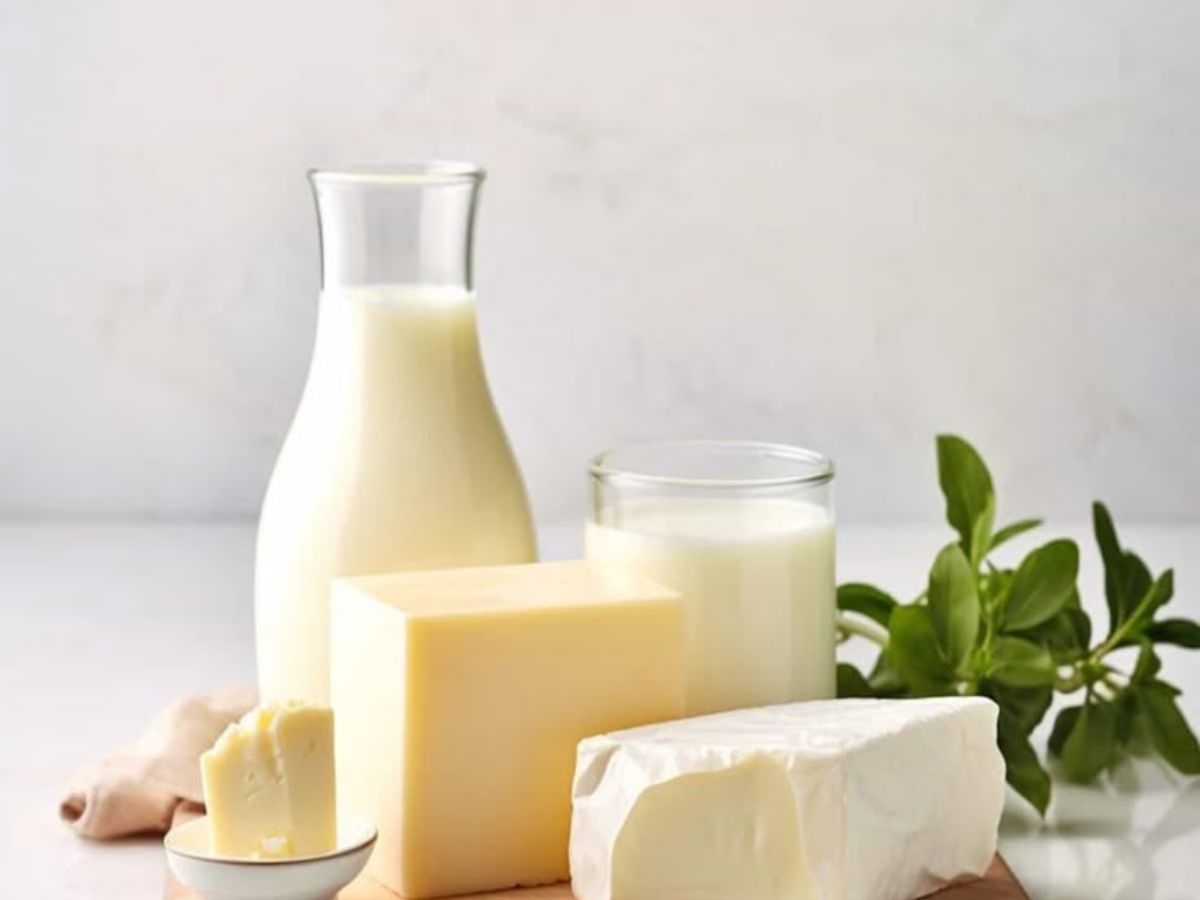
Dairy products
While dairy can be part of a healthy diet, for some people it can trigger bloating, gas, and can increasing cramping during periods. If you are sensitive avoid dairy products during your cycle.
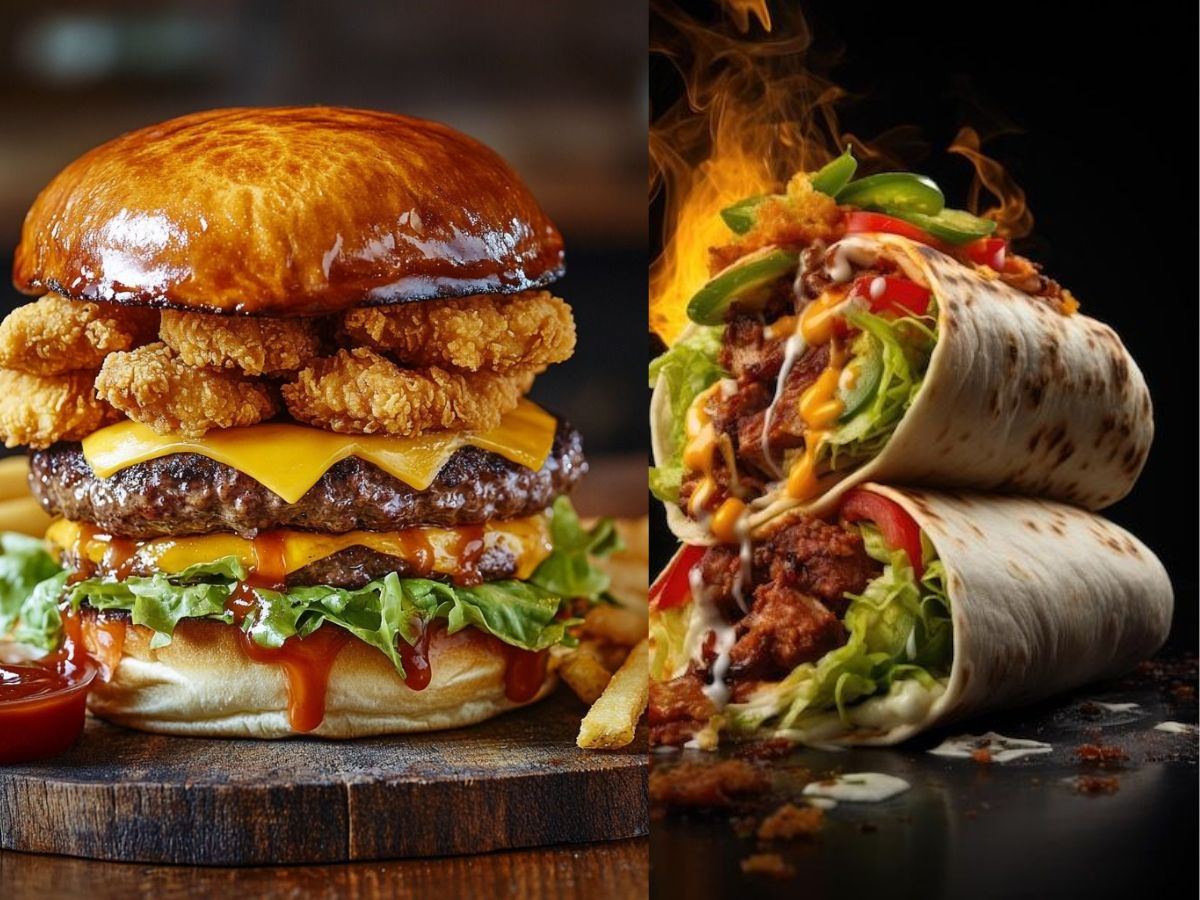
Fried and fatty foods
Foods like fried chicken and burger etc. can increase inflammation and worsen period pain. Try avoiding foods having high spice and unhealthy fats, can lead to digestive discomfort.
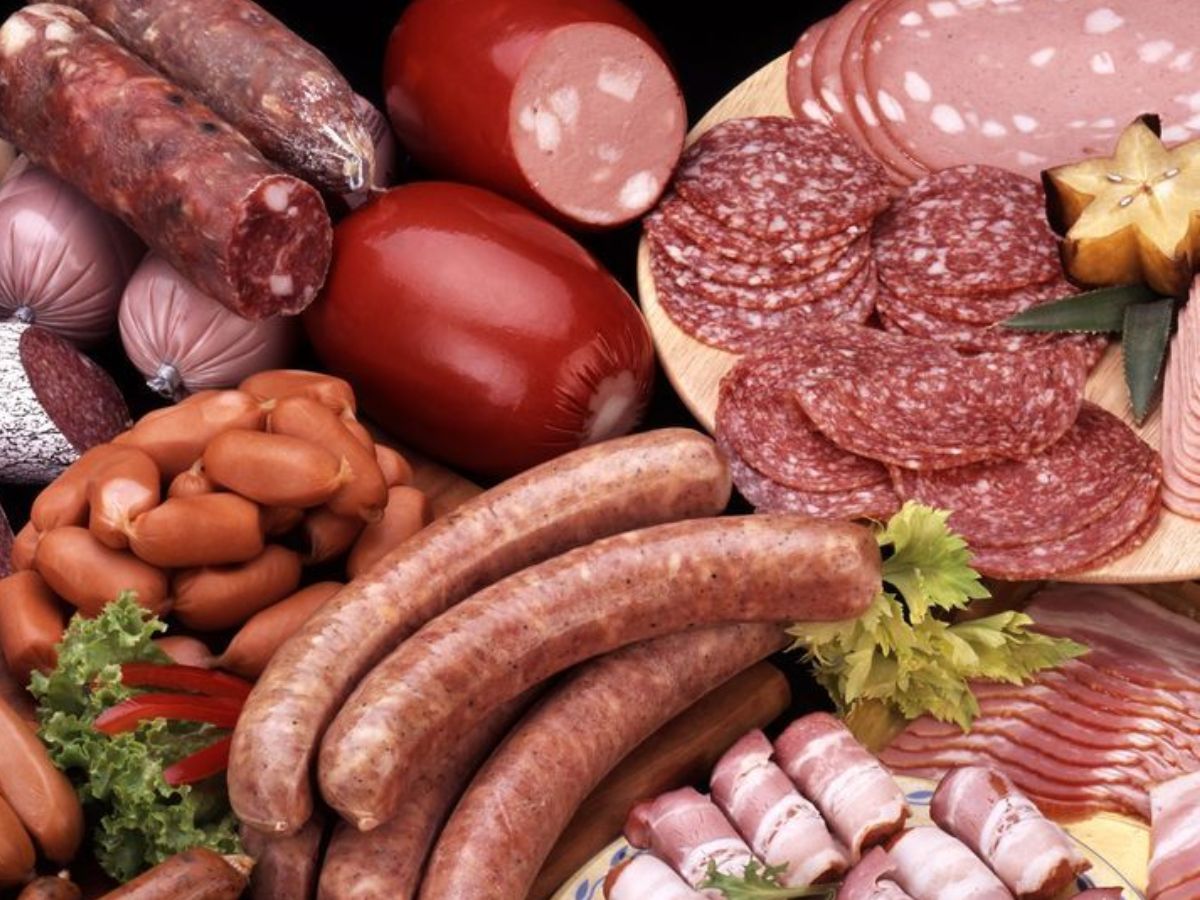
Processed meats
Meats such as sausages and bacon etc. are high in sodium preservatives, can lead to bloating and water retention. It can also contain chemicals that interfere with your body's natural hormonal balance.
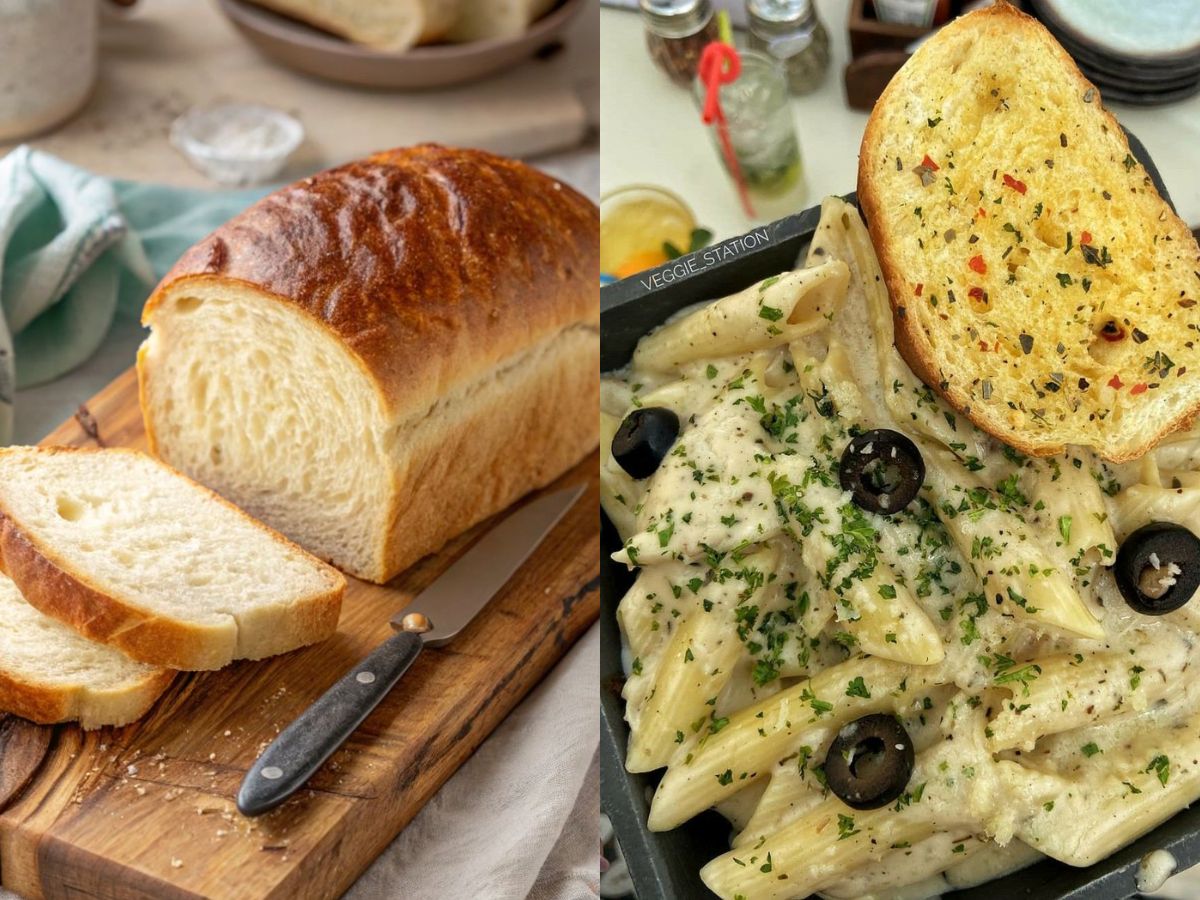
Refined carbohydrates
Items like bread, pasta, pastries and other refined carbs can spike blood sugar and insulin levels, worsening mood swings and fatigue.

Disclaimer
The information provided is just for informational purposes only, not to be taken as a medical advice.




