
In Pics: 7 Breathtaking UNESCO World Heritage National Parks in India
India is a land of remarkable biodiversity, and nowhere is it more evident than in the country’s national parks. Seven of these pristine sanctuaries have earned the coveted status of UNESCO World Heritage Sites on account of their scenic beauty as well as their ecological, cultural, and conservation value. From the one-horned rhinoceroses of Kaziranga to the sacred snow peaks of Khangchendzonga, these parks represent the country’s natural wealth. Scroll on to find out more about why these places should be the next on your list of must-visit destinations in India.

Kaziranga National Park (Assam)
Home of the Great One-Horned Rhino: Nestled in Assam's Brahmaputra floodplains, Kaziranga harbors the world's largest population of Indian one-horned rhinoceroses and boasts one of the highest tiger densities in the country. Wet grasslands, oxbow lakes, elephants, wild water buffalo, and migratory birds make it a paradise for wildlife lovers. (Photo courtesy: X/@cmpatowary)
Manas Wildlife Sanctuary (Assam)
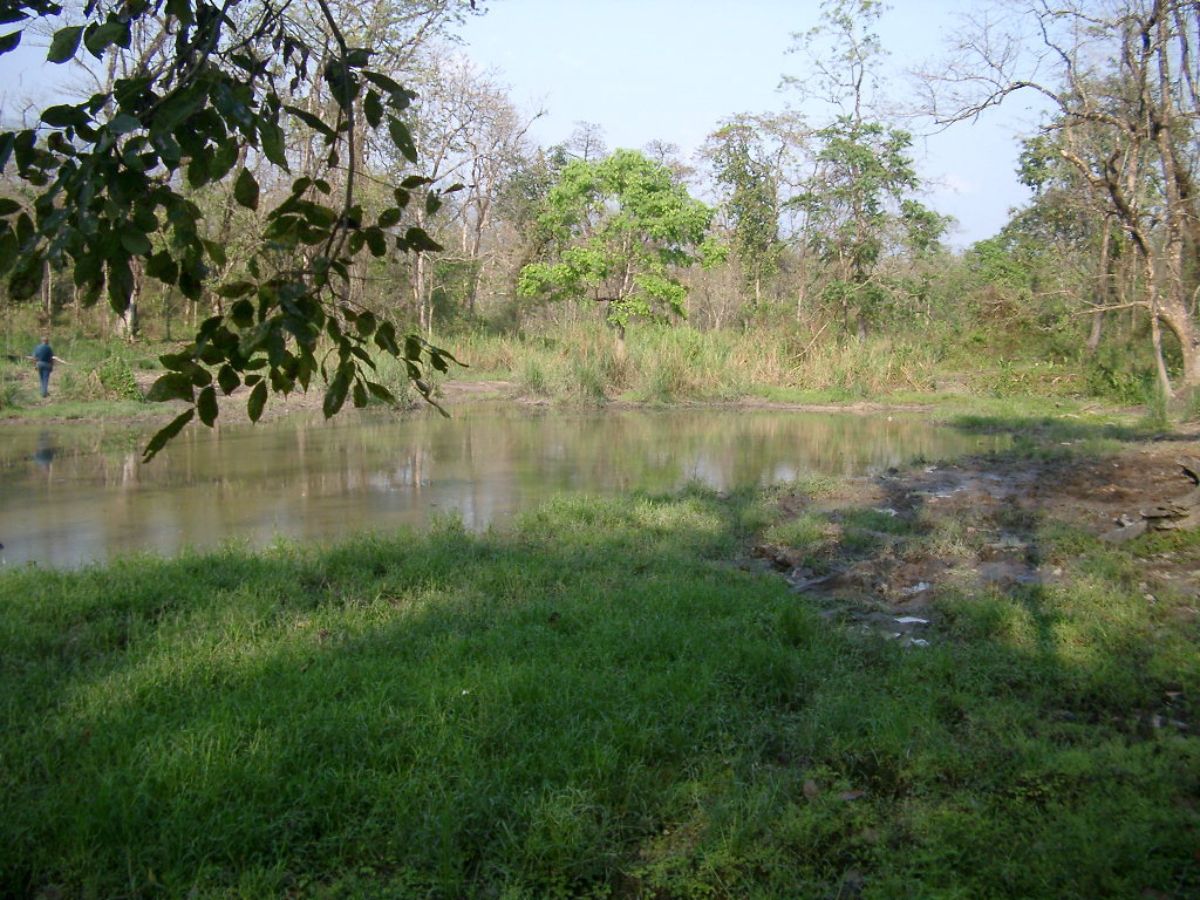
A Jungle Symphony at the Himalayan Foothills: A biodiversity hotspot tucked into the foothills of the Himalayas, Manas Sanctuary is a refuge for rare and endangered species like the pygmy hog, Bengal florican, tigers, and Indian rhinoceroses. Rolling grasslands and riverine forests make this place one of the country's most picturesque and ecologically important regions. (Photo courtesy: UNESCO/Kishore Rao)
Sundarbans National Park (West Bengal)
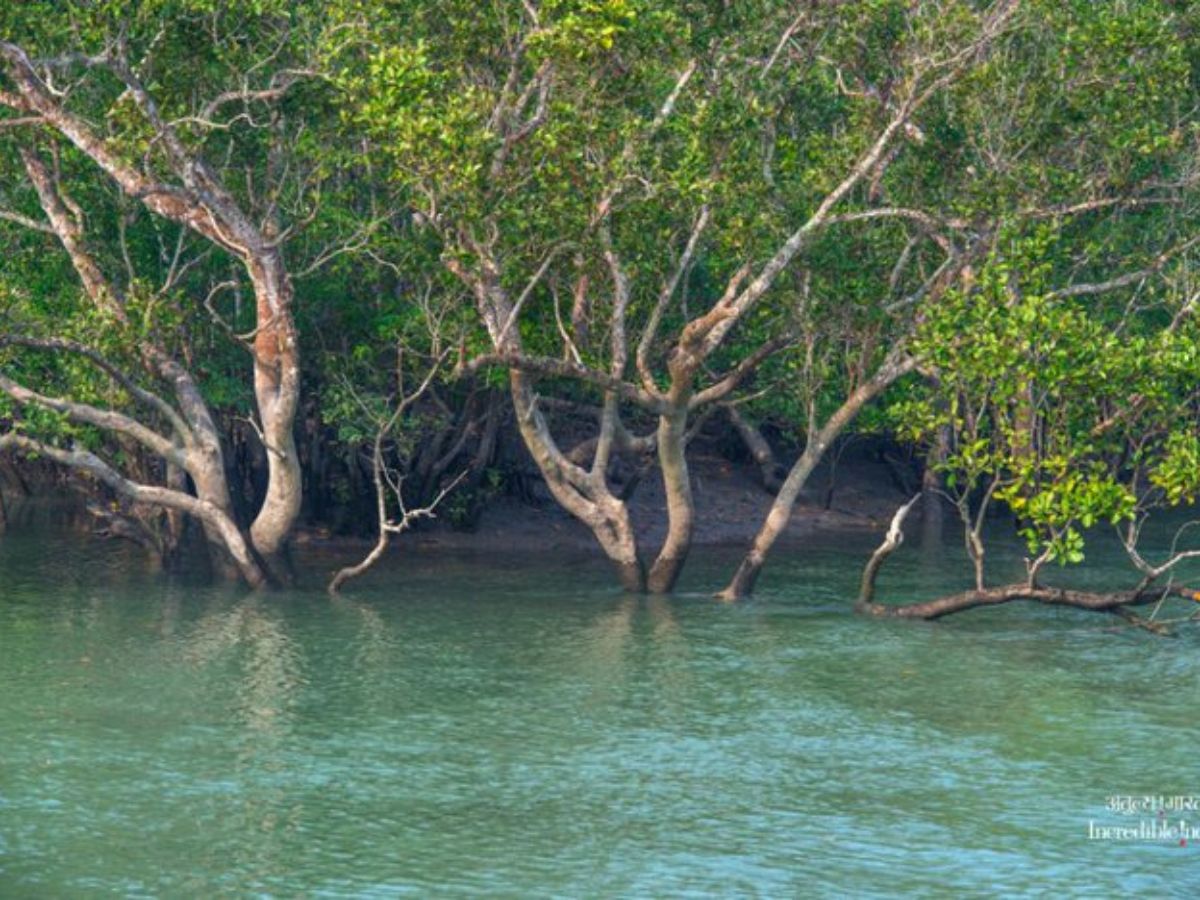
The Kingdom of the Mangrove Tigers: The world's largest mangrove forest and a delta of life, the Sundarbans is the only place where tigers live in tidal mangroves. This dynamic landscape is shaped by monsoon floods and tides, teeming with aquatic life, dolphins, crocodiles, and endemic reptiles like the river terrapin. (Photo courtesy: X/@incredibleindia)
Nanda Devi and Valley of Flowers National Parks (Uttarakhand)
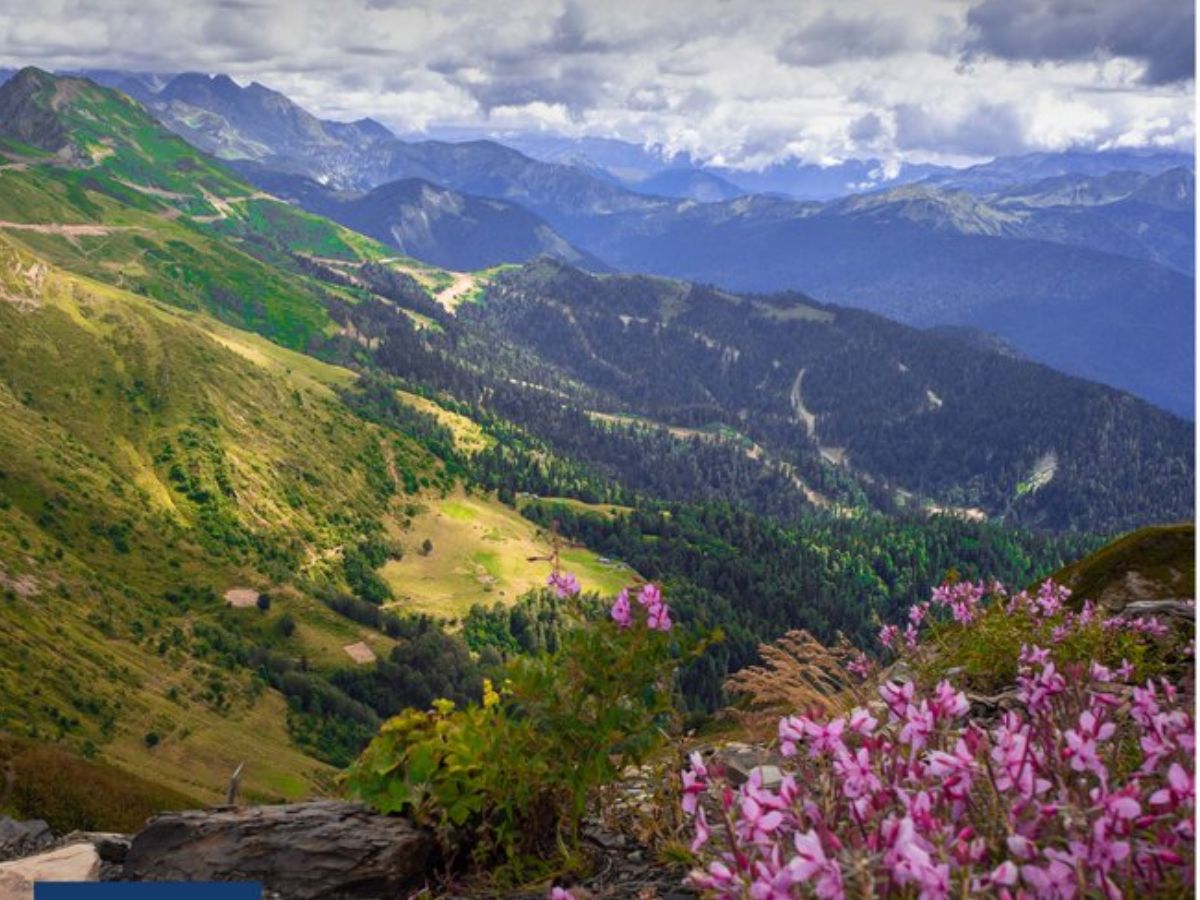
Floral Fantasy Meets Himalayan Majesty: This twin UNESCO site combines the rugged, snow-capped peaks of Nanda Devi with the vibrant alpine blooms of the Valley of Flowers. A trekking haven, the area is home to rare species including the snow leopard, Himalayan musk deer, and blue poppies spread across high-altitude meadows. (Photo courtesy: X/@incredibleindia)

Great Himalayan National Park Conservation Area (Himachal Pradesh)
A Hidden Biodiversity Treasure: This high-altitude sanctuary is popular for its glacier-fed rivers, alpine meadows, and temperate forests, which are believed to be home to more than 800 plant species and 200 bird species. The park protects threatened species like the Western tragopan and musk deer while supplying vital water resources to millions downstream. (Photo courtesy: greathimalayannationalpark)
Khangchendzonga National Park (Sikkim)
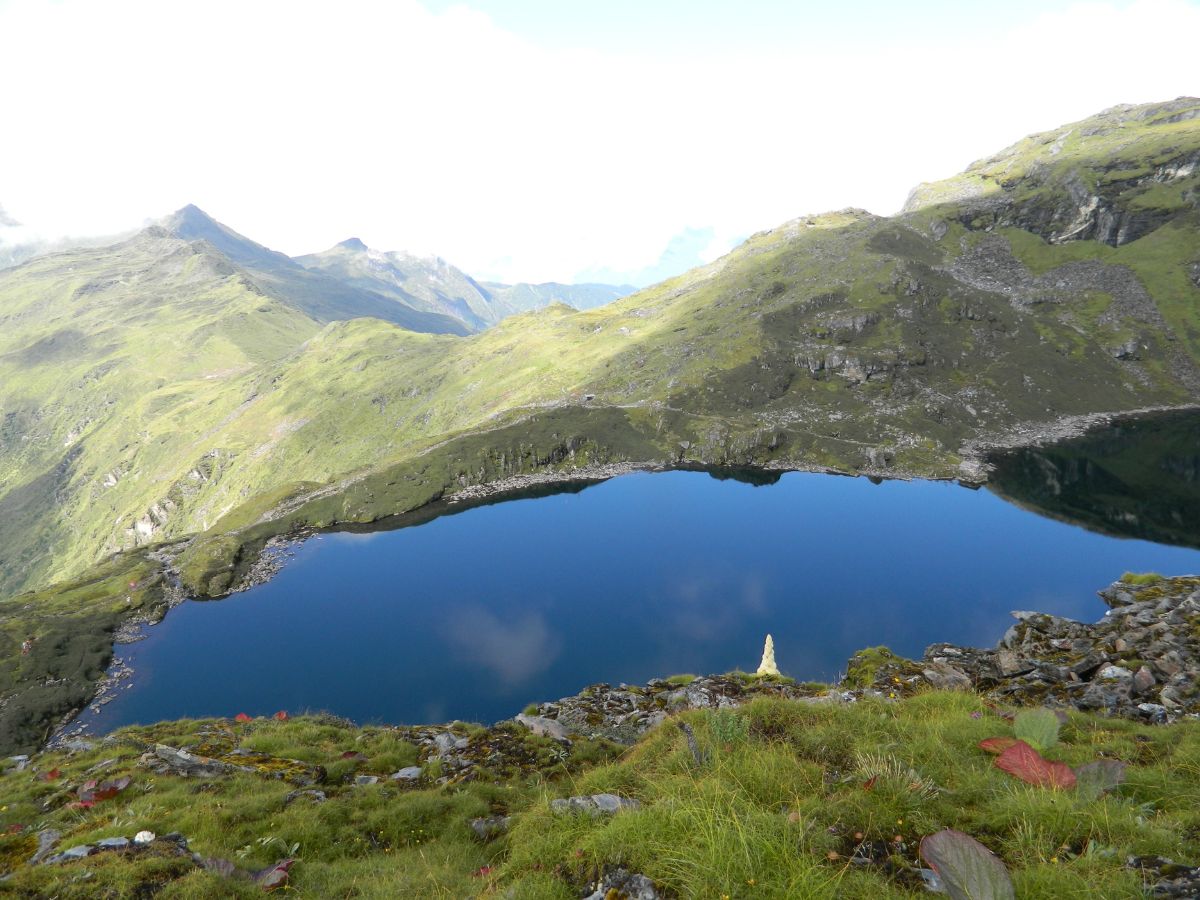
Where Nature Meets Sacred Mythology: Dominated by Mount Khangchendzonga - world's third-highest peak - this park is believed to be a spiritual and ecological wonder. With glacial lakes, ancient forests, and rich cultural narratives woven into its landscape, it's one of India's most unique UNESCO heritage sites. Revered by both Buddhists and Lepchas, the park is a living sacred landscape. (Photo courtesy: UNESCO/FEWMD)

Keoladeo National Park (Rajasthan)
A Birdwatcher's Paradise in Bharatpur: Once a royal duck-hunting reserve, Keoladeo is now a globally renowned wetland sanctuary that hosts over 375 species of birds. According to UNESCO, it plays a key role in the Central Asian migratory flyway. Look out for the elusive Siberian crane, vibrant heronries, and raptors flying overhead. (Photo courtesy: X/@my_rajasthan)




