
Schooling Without Stress: Countries Saying Goodbye To Heavy Homework
The worldwide discussion on too much homework indicates a trend towards student comfort, giving importance to leisure, and enhancing the classroom teaching. Countries such as Finland and Poland prove that very little or the absence of mandatory homework can be a partner to high education standards, boosting family interactions, and diminishing stress levels.
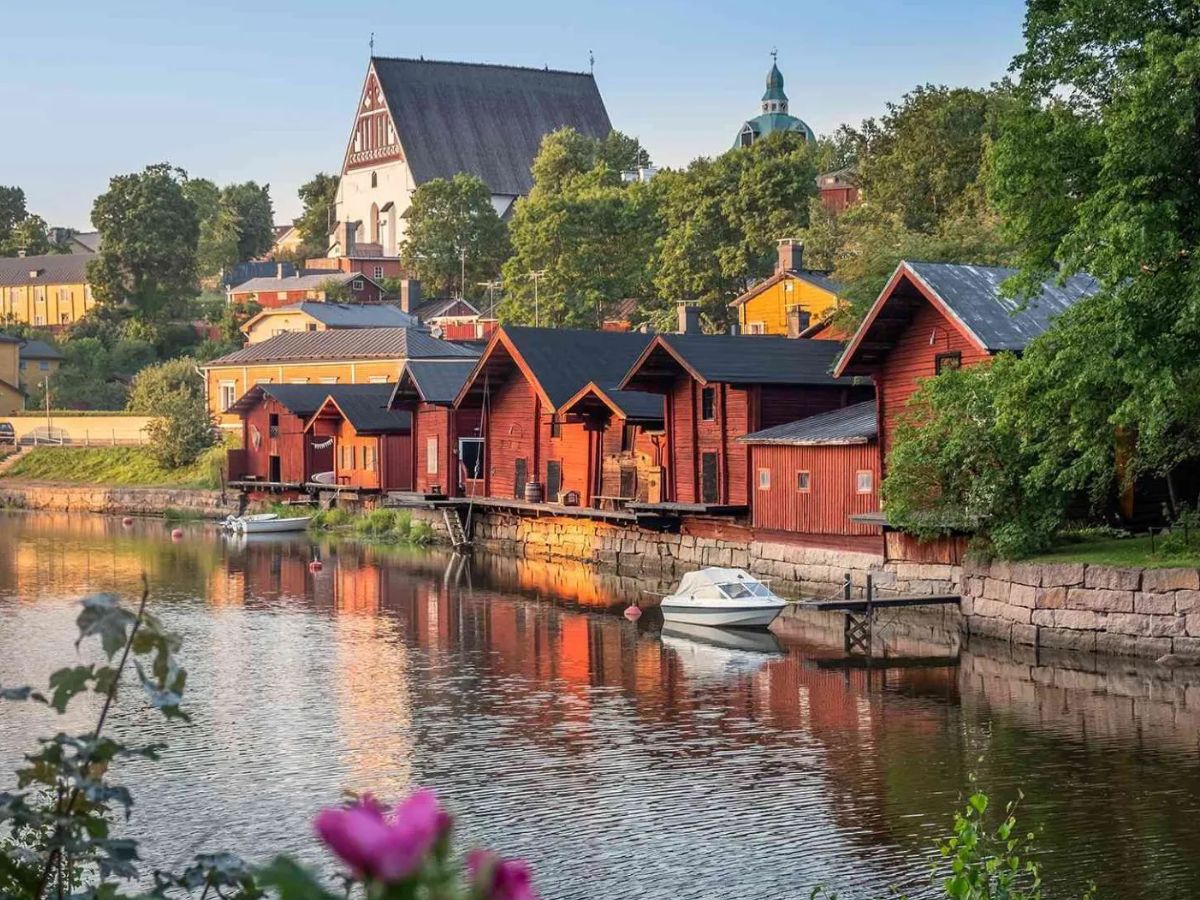
Finland
Finland emphasizes minimal, short, and meaningful homework to prioritize student well-being, play, and family time. Teachers are highly trusted professionals who have the autonomy to assign little to no homework, believing deep learning occurs during the school day.
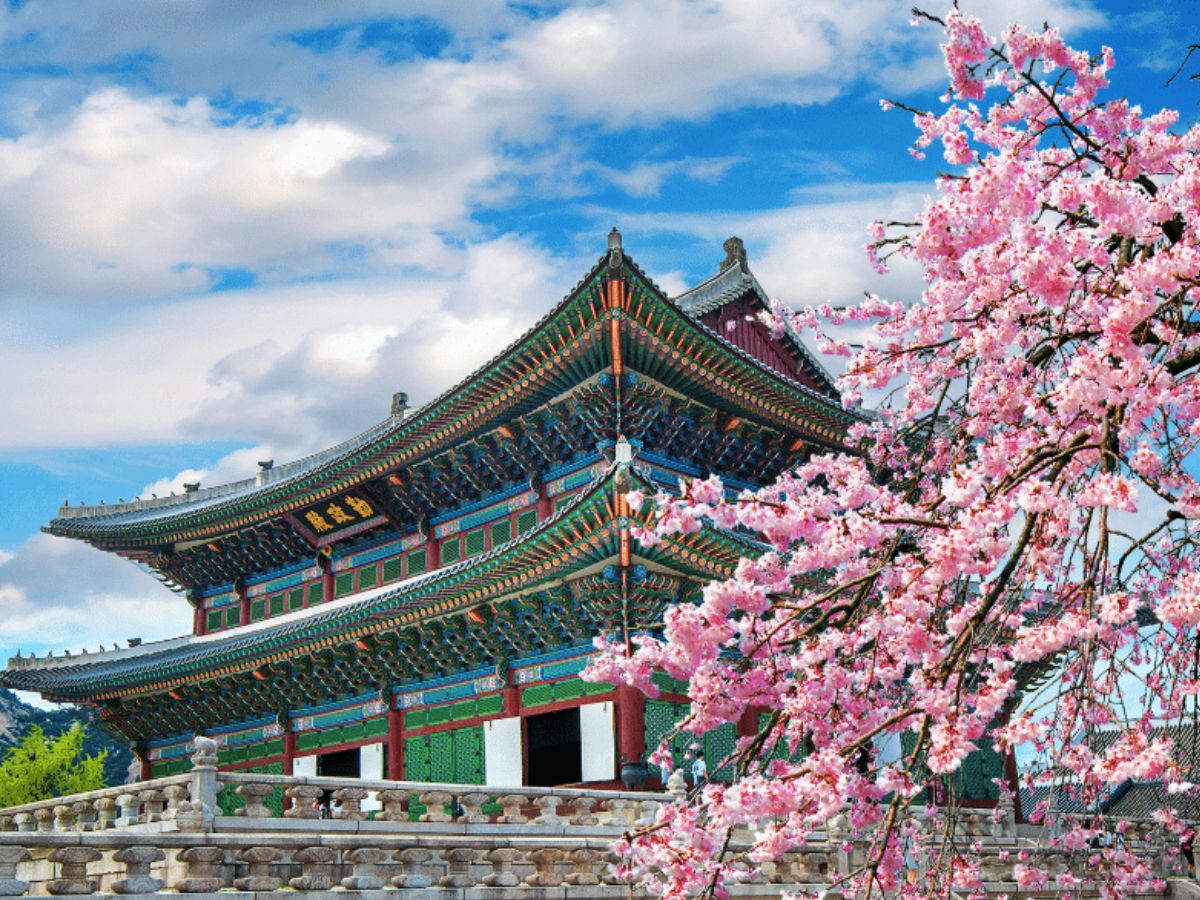
South Korea
While high academic pressure is prevalent, the amount of school-assigned homework is surprisingly low (around 2.9 hours/week). This low school workload is often compensated for by students spending long hours at private, after-school academies (hagwons).
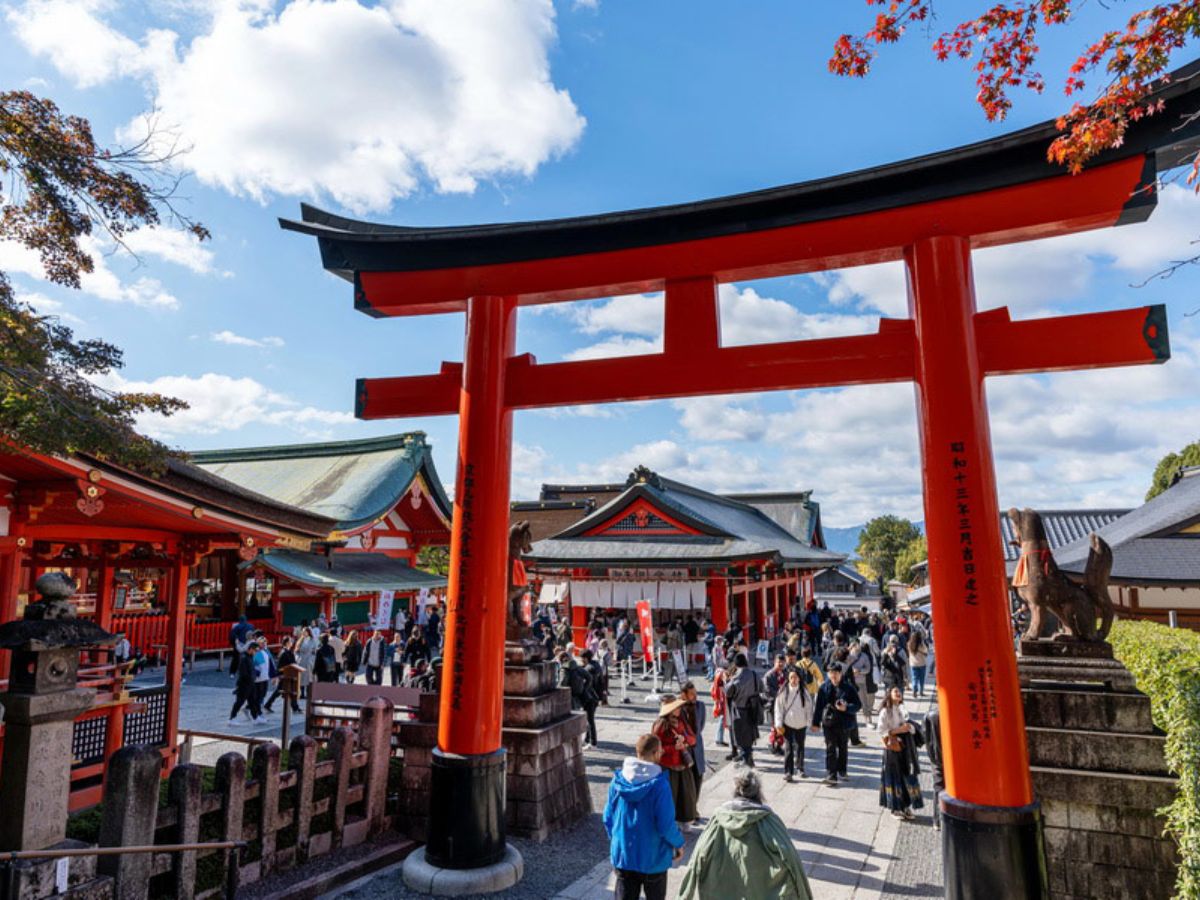
Japan
The country generally assigns a low average number of homework hours compared to the global average. Homework, especially during long breaks like summer vacation, often focuses on review and optional independent research projects.

Germany
Homework requirements are decentralized and vary by state, but the average student workload is low, focusing on reinforcement rather than learning new concepts. The system ensures children have ample free time for extracurricular activities and hobbies after school.
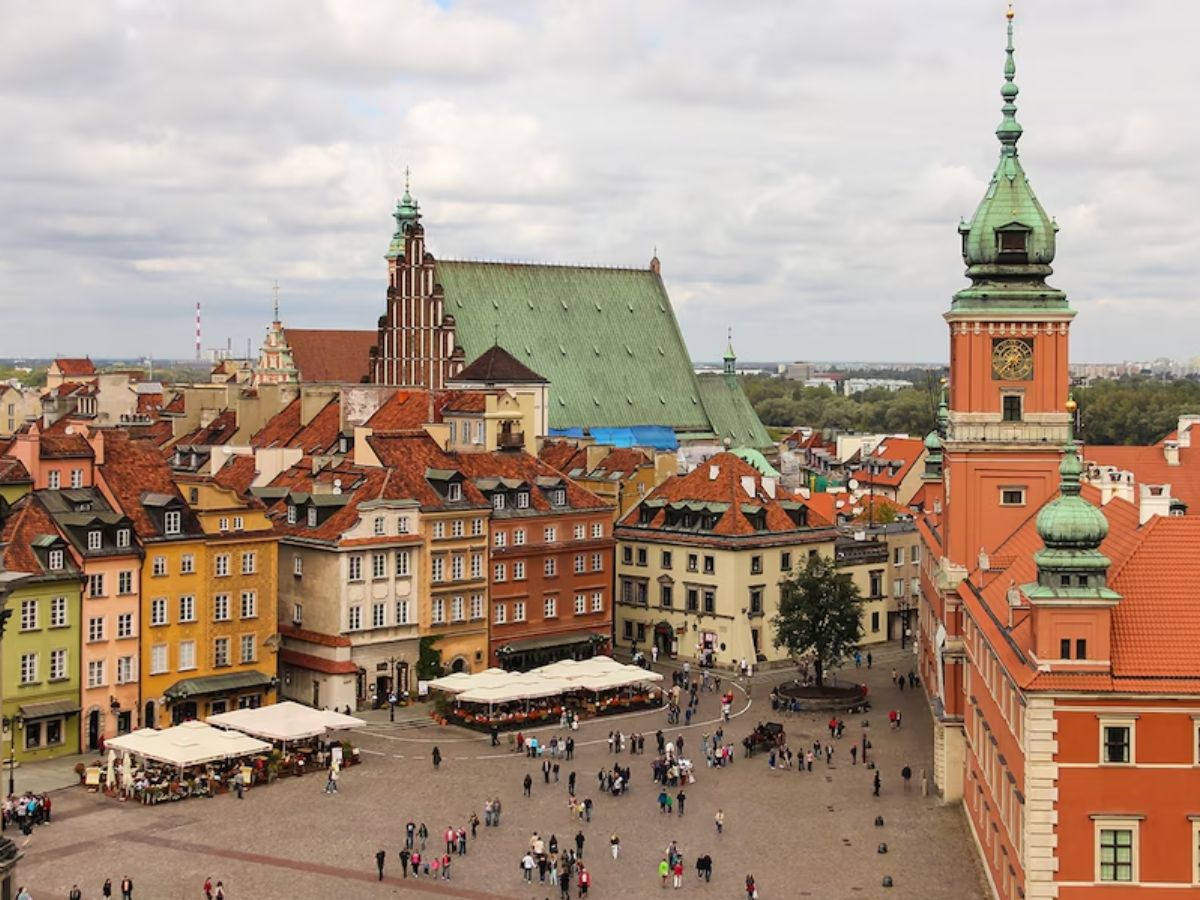
Poland
Poland implemented a significant policy in April 2024 that banned compulsory, graded homework for primary grades 1-3. For older primary students (grades 4-8), homework is now optional and cannot be counted toward a final grade.




