
You Won’t Believe What These Puja Offerings Actually Symbolize! In Pics
Enter the holy place where nature’s gifts coexist with devotion, while we examine the profound meaning associated with the flowers and fruits offered in Hindu Puja. So much more than just gifts, each colorful blossom and ripened fruit convey age-old significance, serving as a direct link to the divine. Let us look at the surprising symbolism and hidden language of these beautiful and auspicious offerings.
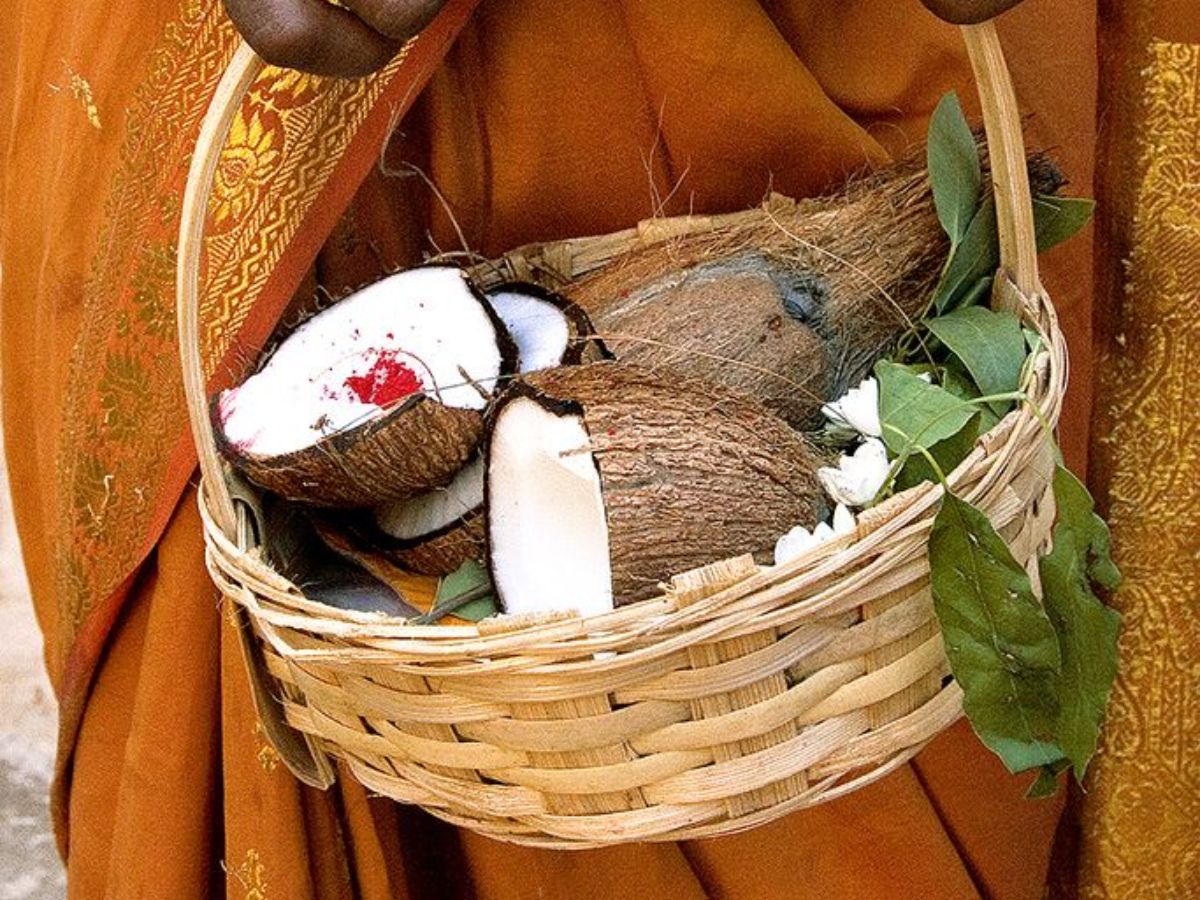
Coconut (Nariyal)
Considered highly auspicious, the coconut symbolizes the human head and ego, offered to signify complete surrender and purity to the divine. Its three eyes represent the Holy Trinity (Brahma, Vishnu, Shiva) and its hard shell, the outer illusion.
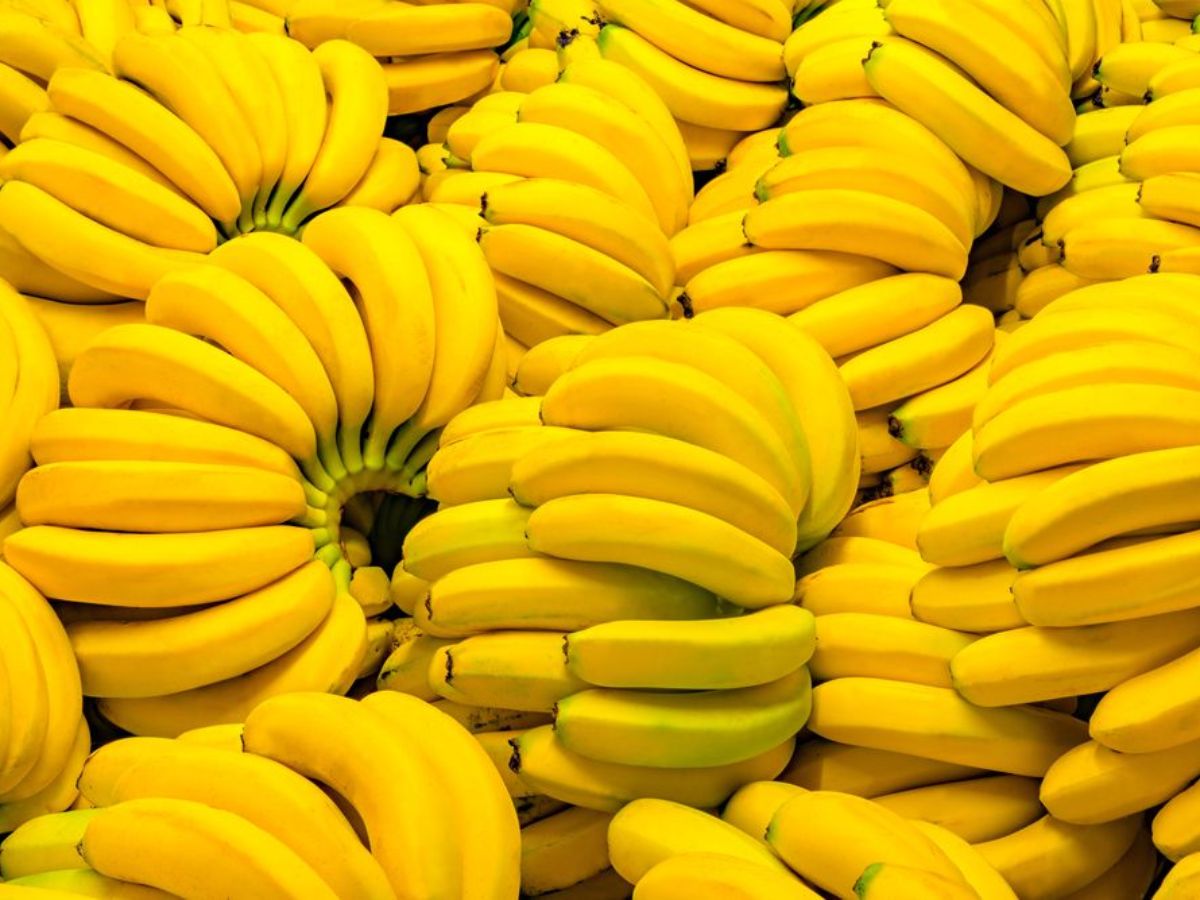
Banana (Kela)
Representing fertility, abundance, and continuous growth, bananas are offered for prosperity and the continuity of generations. They are often associated with Lord Vishnu and Goddess Lakshmi.
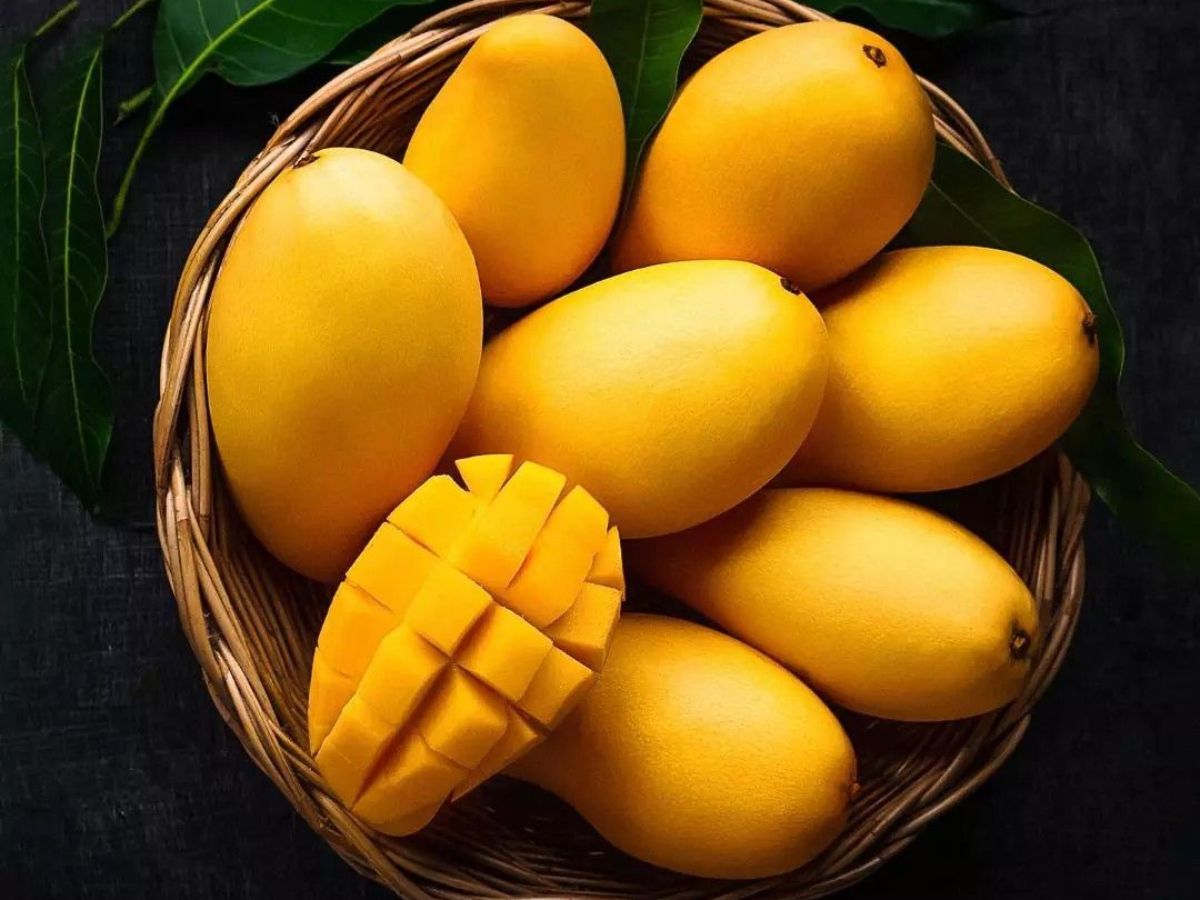
Mango (Aam)
A symbol of prosperity, good fortune, and love, the mango is offered to invoke blessings for material and spiritual well-being. Its seasonal appearance also links it to vitality and renewal.
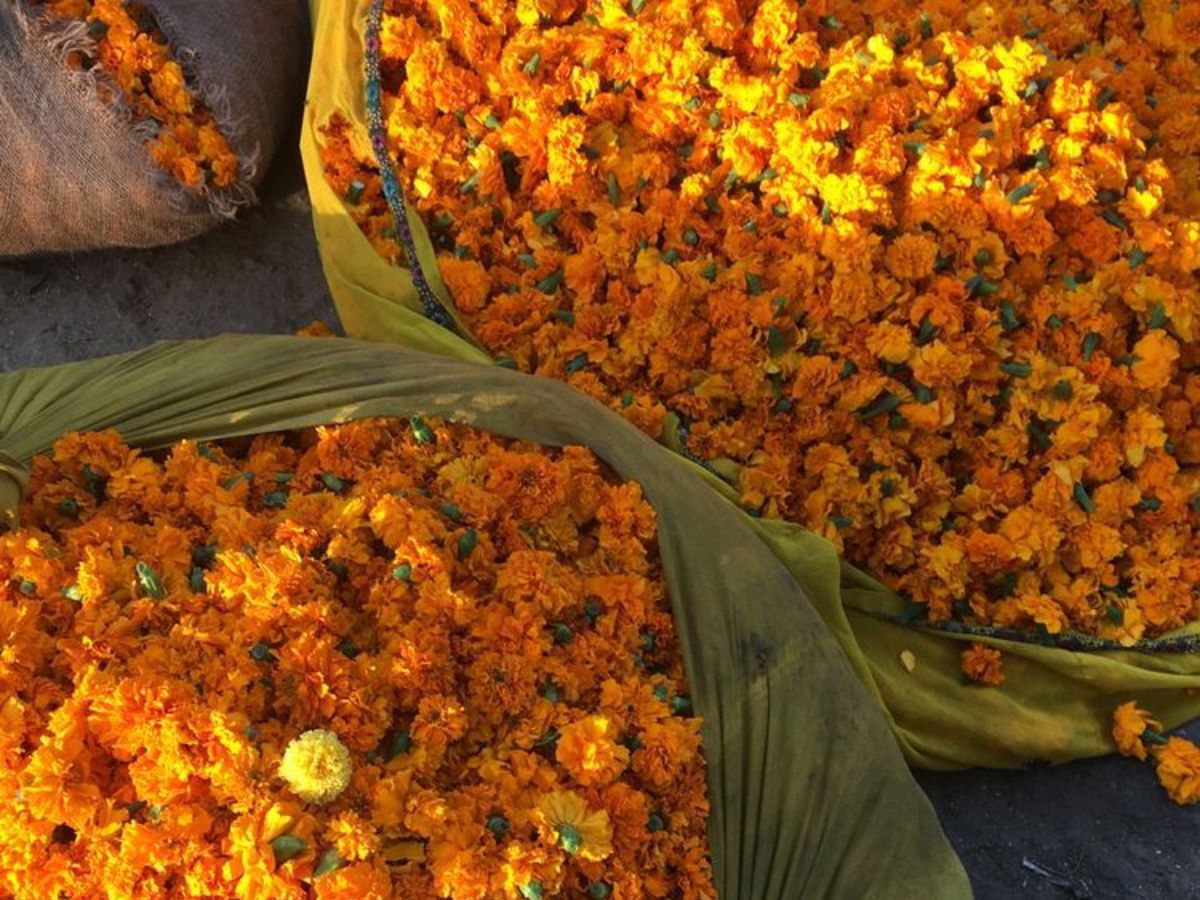
Marigold (Genda)
With its vibrant orange and yellow hues, the marigold symbolizes positivity, energy, and new beginnings. Its petals are believed to contain the energy of the sun, bringing brightness and prosperity.
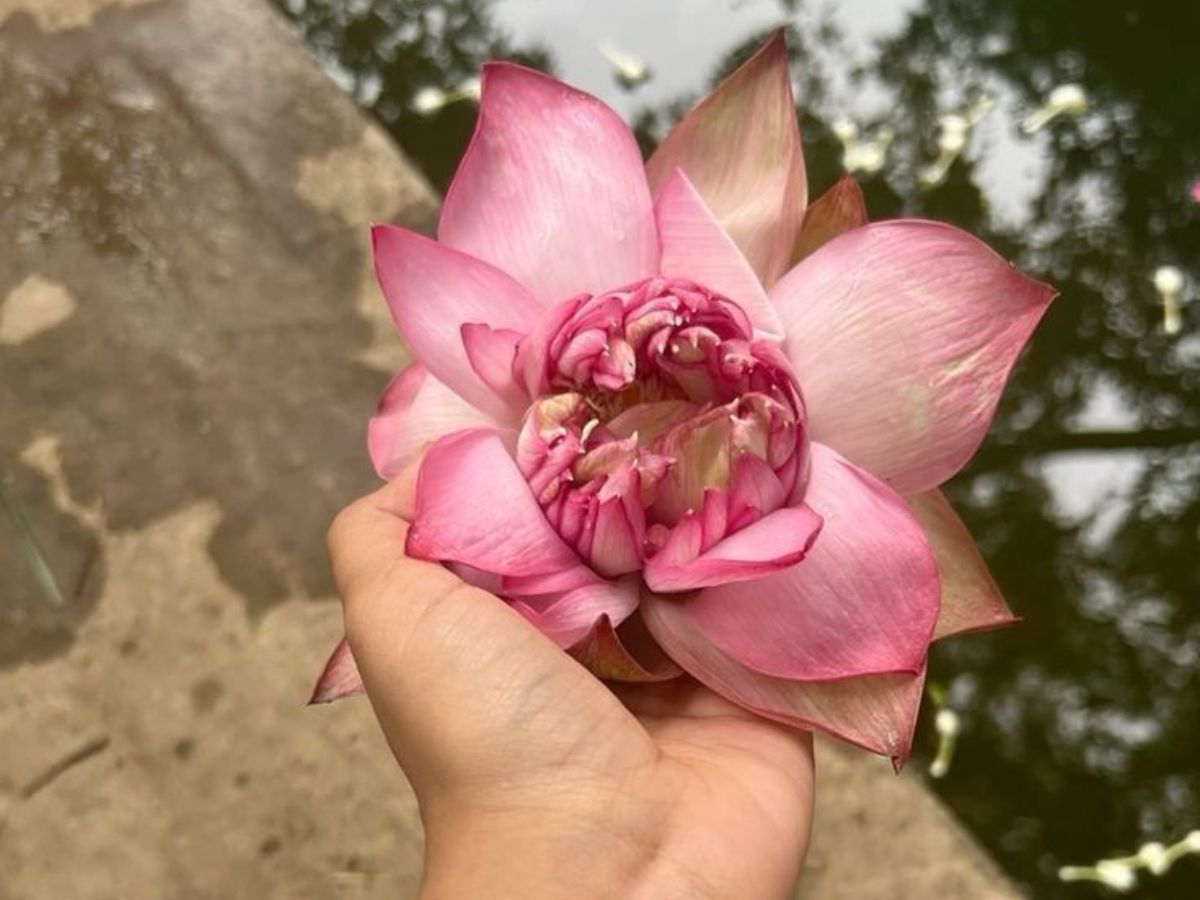
Lotus (Kamal)
The sacred lotus represents purity, divine birth, and spiritual enlightenment, rising untainted from muddy waters. It signifies detachment from worldly desires and the blossoming of consciousness.




