
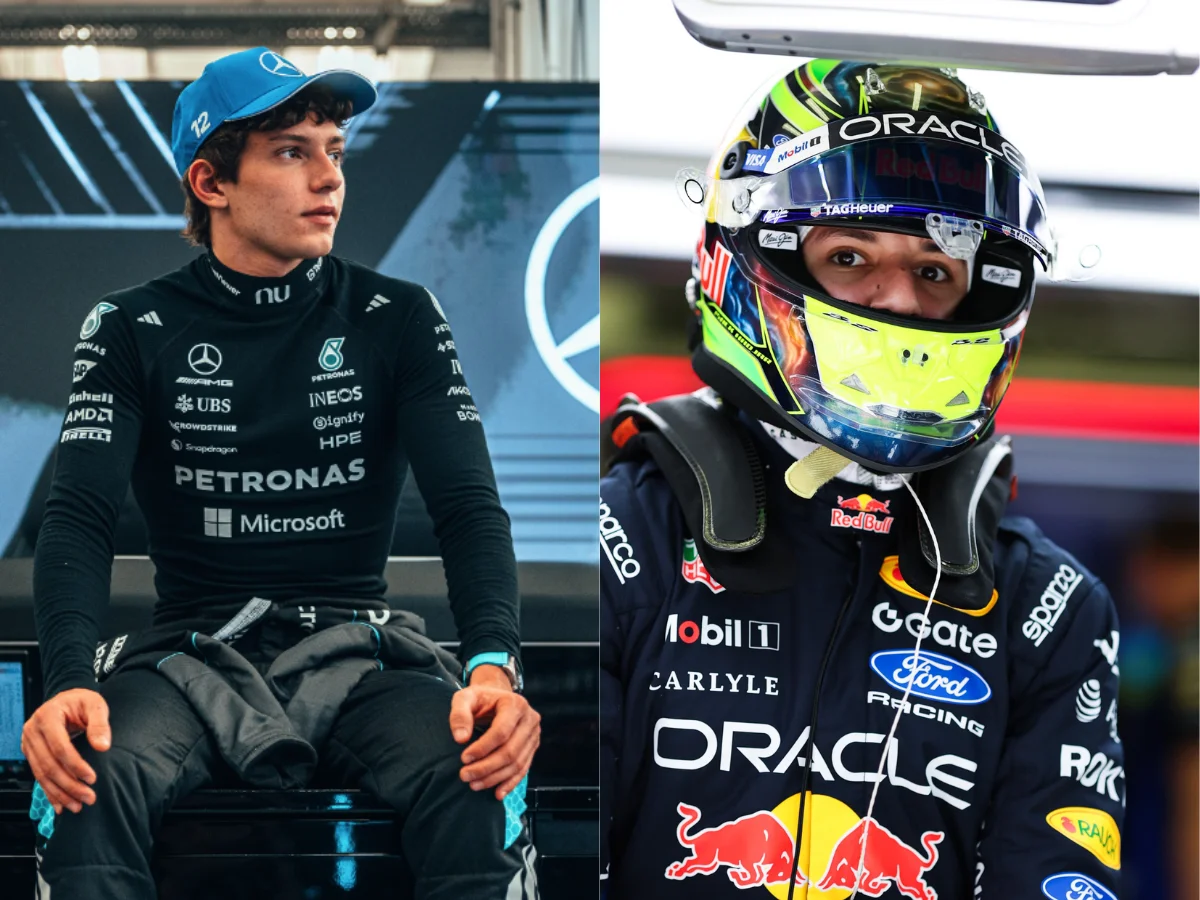

The 2026 Formula 1 epoch had its big unveiling this week at the Bahrain International Circuit as all ten teams announced their drastically changed, radical new cars.
It was a three-day event from February 11 to 13 when the motor racing fraternity not only saw the first ever application of active aerodynamics but also the very much awaited 50 50 power split between the energy from the internal combustion and electric.
Although Mercedes newcomer Kimi Antonelli stole the limelight with an astonishing 1:33. 669 on the final day, the core of the story reveals that a highly strategic duel for the top spot is happening among the Brackley team, a product of a joint venture of a Red Bull car and a Ford engine.
Mercedes Power Unit Reliability and Raw Speed
After a difficult day two, where a new power unit was needed, Mercedes still finished the test as the fastest team for a single lap. The W17 looked very composed during low fuel laps, allowing Kimi Antonelli and George Russell to occupy the top two positions on the timing sheets.
Red Bull Ford and the Mastery of Energy Recovery
Mercedes dominated in the headline times; however, the factory insiders recognise Red Bull Ford as the team with the most dominant race pace. During their first event as an independent engine manufacturer, Red Bull exhibited an outstanding ability to keep the battery state of charge steady over long simulations.
Active Aerodynamics and the Stability Challenge
Movable wing systems that can switch between low drag on straights and high downforce in corners have brought a drastic change in the driver skills. Some seasoned drivers have noted the car changing its character so dramatically during the switch from the super downforce Z mode to the ultra low drag X mode that it was hardly predictable.
Fight Against the 768kg Weight Limit
One of the biggest issues that kept the teams busy all weekend long was the constant fight to be not just below but way below the 768kg weight limit so that a lot of ballast could be put in strategically to improve the car’s balance. The cars on which the parts have been completely redesigned from scratch, and the 30kg reduction is purely due to new technologies, have decided to go without any paint at all or have even stripped the carbon fibre layers in some areas to the minimum just to keep the car as light as possible.
Audi and Cadillac Prove Their Grid Worthiness
The first test was a rousing victory for the newcomers in the Formula 1 line, up. Audi was a bit of a revelation in terms of reliability, managing to clock up more than 400 laps over the three days and rolling out a major aerodynamic upgrade package on the last afternoon. In the same way, the Cadillac car demonstrated that their level of preparation was world-class by being able to match the speed of the midfield of the more established teams like Alpine and Haas.




