
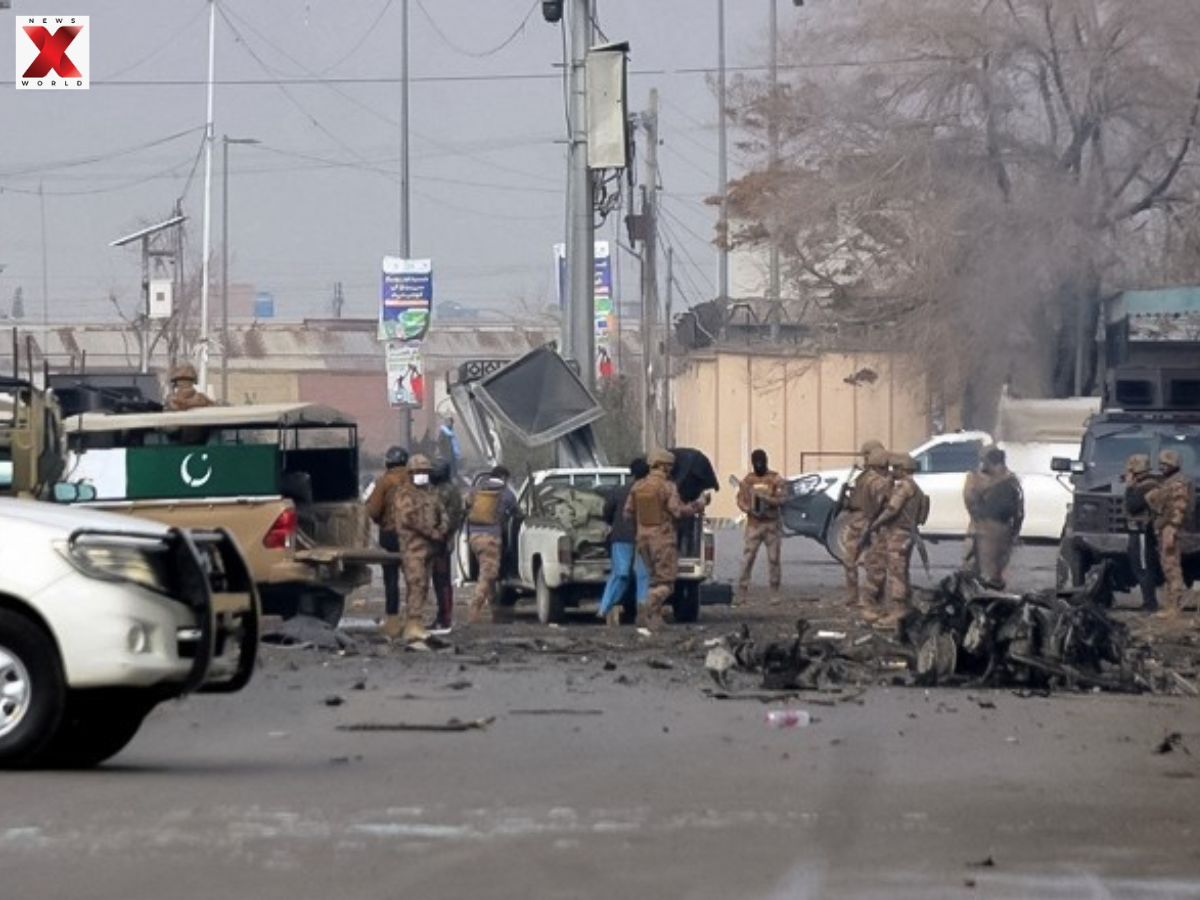

Operation Radd-ul-Fitna-1 lasted several days and saw Pakistan’s security forces go after militants in Balochistan, right after a spike in terror attacks shook the province.
The Pakistan Army says they killed at least 216 terrorists. But the fighting also took the lives of 36 civilians and 22 security personnel.
What is Operation Radd-ul-Fitna-1?
On Thursday, February 5, the military’s media wing, ISPR, announced the operation, which started January 26, was over and called it a success.
So what actually set this whole thing off? A string of terror attacks hit Balochistan, and the army decided enough was enough.
They say they had solid intel about terrorist hideouts, so they moved in. This isn’t anything new for the region. Balochistan’s been grappling with violence and instability for years.
Pakistan Army Declares Success After Deadly Balochistan Clashes
The operation kicked off in Panjgur and near the Harnai district. The army claims their intelligence was “credible and verified”, they spotted militants and went after them directly.
Early on, security forces targeted these hideouts and, according to ISPR, killed 41 terrorists right out of the gate.
When militants struck back, the army says they answered with force, no holding back. In the end, they claim they managed to kill 216 terrorists overall.
According to the army’s statement, these actions hit terrorist leadership hard, broke up their command centres, and seriously weakened their ability to operate.
Deadly Toll in Balochistan
The army claimed that the violence had also cost the lives of 36 civilians, including women and children and 22 members of the security forces and the law enforcement agencies.
The ISPR claimed, in its declaration, that terrorist groups, sponsored by Indians, were aiming at interfering with peace and development in the Balochistan region.
India has previously dismissed such accusations as pure fabrications, claiming that Islamabad habitually levels such claims to conceal its domestic ineptitude.
On the other hand, the railway services in Baluchistan were reinstated on Thursday following a five days suspension due to security reasons.
Pakistan Steps Up Counterterror Fight in Balochistan
All train services in Quetta were suspended due to the attacks, and a spokesperson of Pakistan Railways, Muhammad Kashif, added that many tracks were destroyed during the violence.
On Tuesday, the National Assembly in Pakistan passed a resolution that demanded an aggressive national action to be taken against what it termed as external sponsors of militancy and those who facilitate it within the country.
Balochistan is an insurgency-prone region bordering Iran and Afghanistan. Baloch militant groups have severally attacked infrastructures associated with the China-Pakistan Economic Corridor (CPEC) that is worth 60 billion dollars.
In 2025, the Balochistan Liberation Army (BLA) took responsibility of hijacking the Jaffar Express train that was travelling between Quetta and Peshawar, an incident that led to the killing of 31 civilians and security officials and a total of over 300 hostages among the passengers.




