
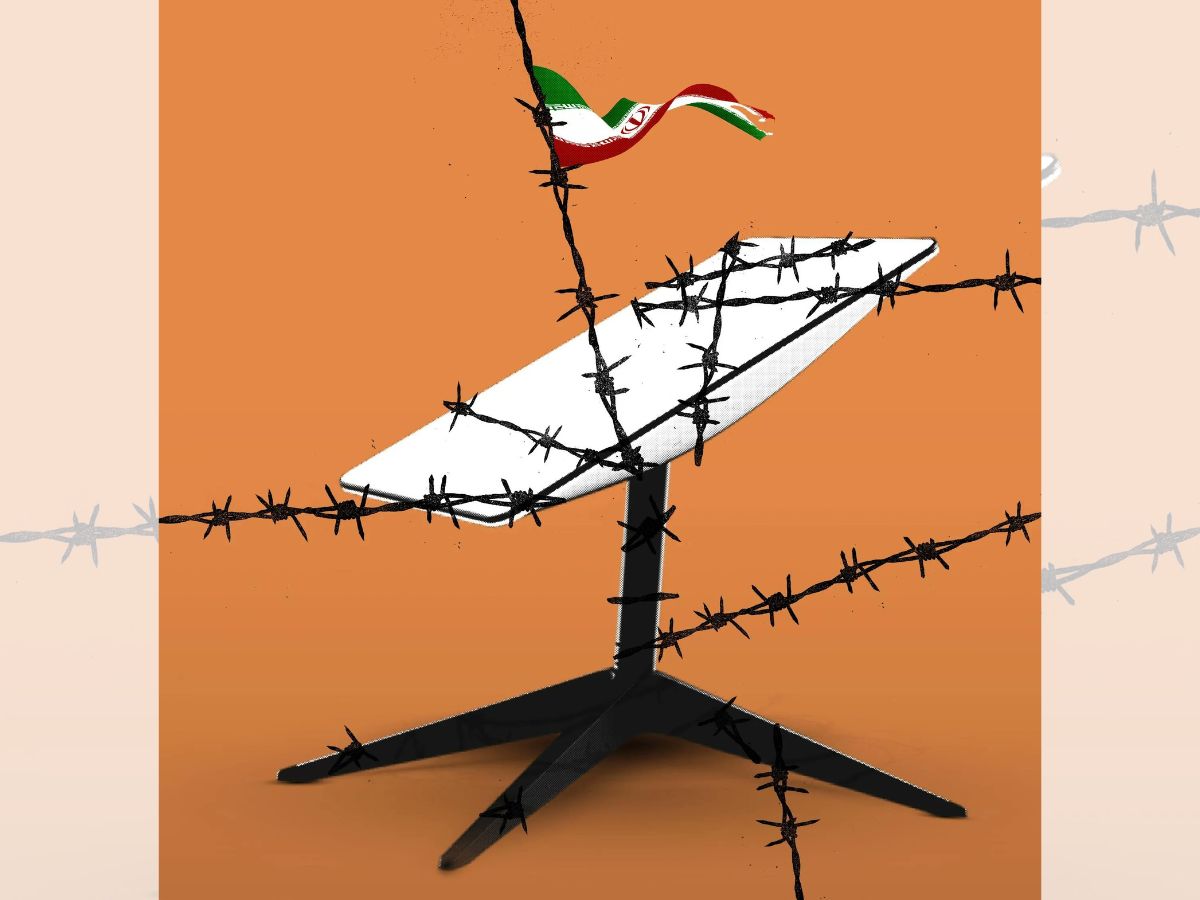

Iran has seized hundreds of Starlink satellite internet devices, claiming they were smuggled into the country by Washington and Tel Aviv to support wartime operations.
Authorities have declared owning the SpaceX devices a crime, warning that using them during the conflict could invite the “severe penalties.”
Tehran says it is now hunting down “all satellite internet terminals serving the enemy,” hinting at a widening internal crackdown as it tries to shut down what it sees as an invisible digital lifeline aiding hostile forces.
The Invisible Network
For Iran, the concern is not just devices – but what they enable.
Starlink terminals bypass state-controlled infrastructure, allowing secure, decentralised communication that is harder to monitor or disrupt.
In a war increasingly shaped by intelligence and precision targeting, such networks can alter the battlefield without a single shot being fired.
War At Day 16
The development comes as the conflict enters its 16th day with no end in sight.
More than 2,000 people have been killed since February 28, when the US and Israel launched Operation Epic Fury, targeting Iran’s leadership.
In the opening strike, Ayatollah Ali Khamenei was killed along with several family members.
His successor, Mojtaba Khamenei, elevated by the Islamic Revolutionary Guards Corps, has taken a hardline position.
Reports suggest his stance on retaliating against the United States was “very tough and serious” during his first foreign policy session.
He was also reportedly flown to Moscow after sustaining injuries in the initial strikes.
A Expanding Battlefield
Even as Iran tightens control within, the conflict continues to spill outward.
While US and Israeli forces have carried out over 2,000 strikes, Tehran has escalated by targeting American military bases and commercial interests across Kuwait, Qatar, Saudi Arabia and the UAE – pushing the war towards a wider regional confrontation.




