
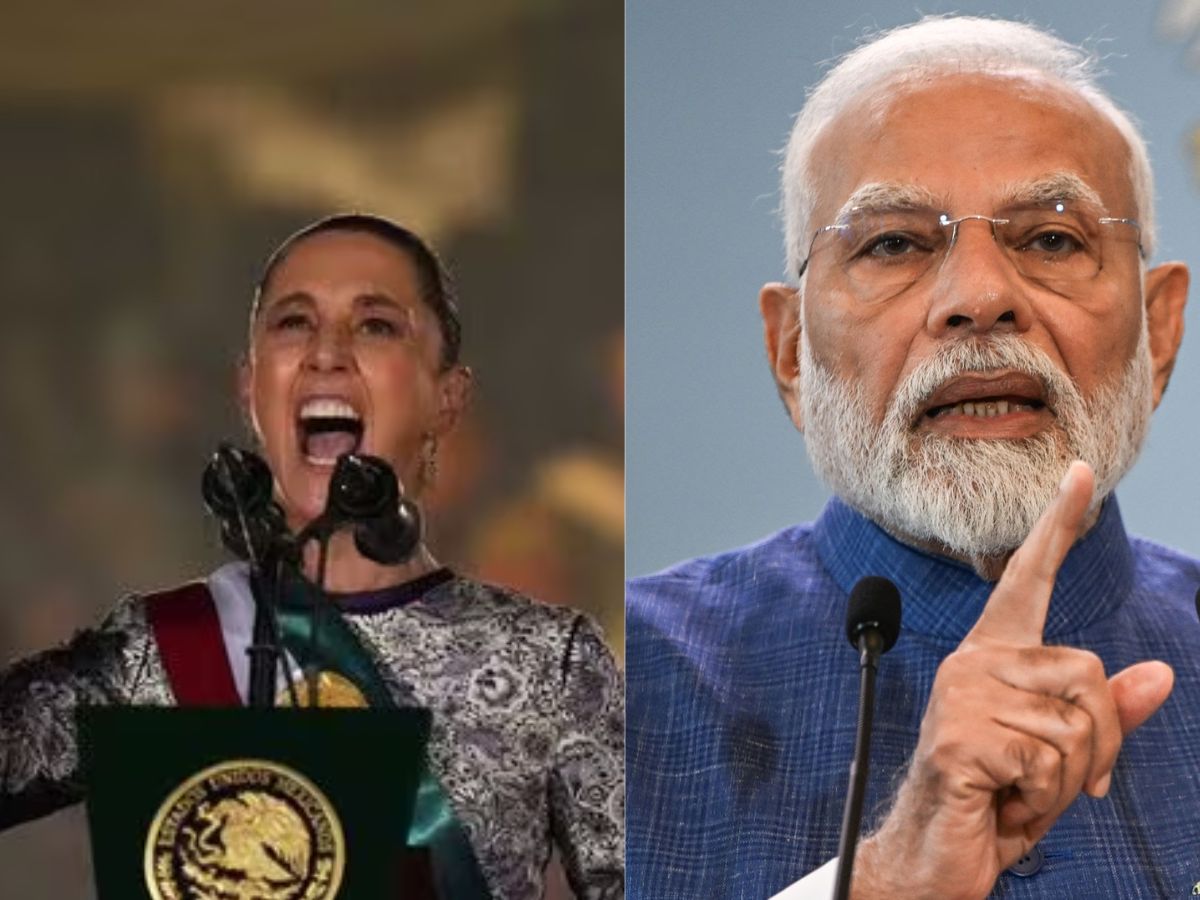

Mexico has altered its global trade policy in a radical manner. It has approved the imposition of new tariffs as high as 50% on a variety of products coming from countries with which it does not have a Free Trade Agreement (FTA), India included. This bold protectionist policy, which is to be implemented from January 1, 2026, sees Indian exports worth $1 billion a year, mainly consisting of vehicles and their parts, right in the line of fire.
After the Mexican Senate’s approval, the move marks a striking reversal aimed at increasing local production and conserving labor, but at the same time, it very much indicates a new obstacle for Indian firms that have built a solid presence in the Mexican market.
India is already among the top countries exporting passenger cars to Mexico, making the hike of tariffs a very unpleasant turn of events for Indian carmakers.
Automotive Sector Vulnerability
The new tariff regime is the most immediate and significant challenge that the Indian automotive sector is facing. The duty on imported passenger cars will increase from about 20% to the maximum of 50%. This unprecedented hike will immediately hit the major Indian vehicle exporters who consider Mexico as the most significant gateway market.
For instance, the automotive and components exports form a big part of India’s total exports to Mexico, and passenger cars alone contributed almost $1 billion to the total shipments in the last fiscal year.
The manufacturers’ loss of price competitiveness has suddenly put them in a situation where they would have to reconsider their export strategies and, even, investments in the region quicker than planned.
Wider Trade Implications
The tariffs, which vary between 5% and 50% across more than 1,400 product categories, will not only affect the auto industry but also other major Indian export sectors. Textiles, garments, steel, plastics, and footwear are the main goods that will have to put up with an increase in duties, but still, the majority of the categories will be under the 35% limit.
Some analysts consider that this action is powered by political reasons, as it is an attempt to put Mexico’s trade position in line with that of the U.S. just before the next round of the US-Mexico-Canada Agreement (USMCA) review.
Indian industry groups have already reached out to the Delhi government, asking it to interact with Mexico in order to come up with a solution that entails either negotiating a preferential agreement or accepting the loss of Indian competitiveness in one of the biggest Latin American markets.
A recent media graduate, Bhumi Vashisht is currently making a significant contribution as a committed content writer. She brings new ideas to the media sector and is an expert at creating strategic content and captivating tales, having working in the field from past four months.




