
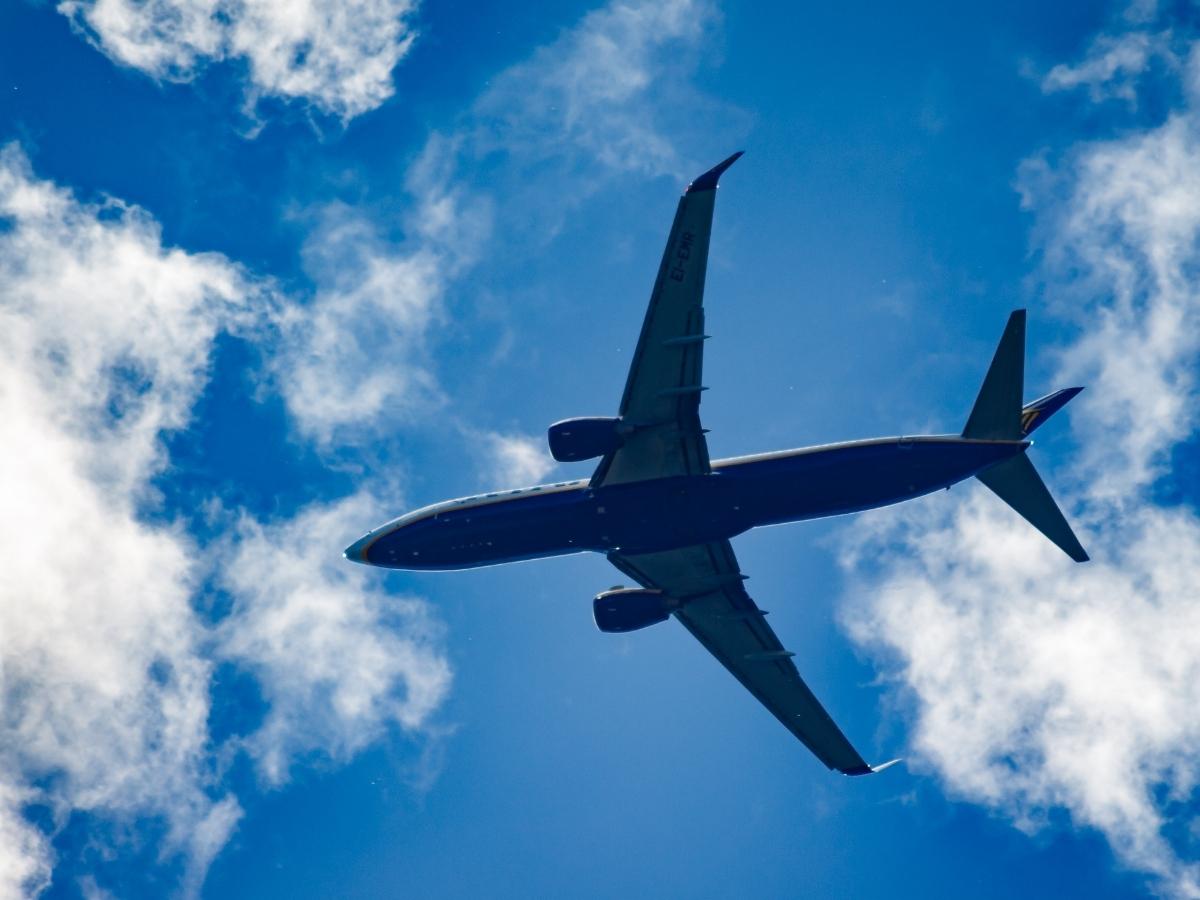

US, Israel attack Iran: More than 3,000 flights have been scrapped worldwide after the United States and Israel carried out strikes on Iran, triggering sweeping airspace closures across West Asia and setting off one of the most severe aviation disruptions in recent years.
Data from aviation analytics firm Cirium shows over 1,800 cancellations on Saturday, followed by another 1,400 on Sunday. The impact has rippled beyond the immediate conflict zone, disrupting long-haul routes that rely heavily on Middle Eastern air corridors as key transit pathways between Asia, Europe and North America.
Eight countries- Iran, Israel, Iraq, Qatar, the United Arab Emirates, Bahrain, Kuwait and Jordan, have shut their airspace, forcing airlines to suspend or reroute services at short notice.
Major Transit Hubs Shut, Global Routes Hit
The closures have paralysed some of the world’s busiest aviation hubs, including Dubai International Airport, Ben Gurion Airport and Hamad International Airport. These airports serve as critical connecting points for millions of international passengers each month.
With key corridors blocked, airlines have been forced to either take longer alternate routes, significantly increasing fuel and operational costs, or cancel flights entirely. In the hours immediately following the strikes, more than 40 flights were diverted mid-air as restrictions came into force.
The disruption has also stranded transit passengers in destinations as far as Australia, Brazil and the Maldives, highlighting the global dependence on Gulf-based aviation hubs.
Indian Carriers Suspend Hundreds Of Services
Indian airlines have been heavily affected by the Gulf airspace shutdown. Air India, IndiGo and SpiceJet together cancelled over 630 routes as restrictions tightened.
IndiGo alone called off around 160 flights scheduled for March 2, citing operational constraints due to Middle East airspace closures. Air India suspended multiple India–Europe and India–US services, as its usual West Asia transit paths were no longer accessible.
Airlines are now working to reposition aircraft and crew, a complex logistical process that could delay schedule normalisation even if airspace restrictions are lifted soon.
Aircraft Stranded, Recovery Timeline Uncertain
Dubai, widely regarded as the world’s busiest international transit hub, has seen mounting operational pressure. Carriers operating large aircraft such as the Airbus A380 are facing added complications, as several planes remain stationed outside their home bases.
Flight tracking data indicates that some wide-body aircraft operated by Etihad Airways and Qatar Airways are currently positioned overseas, complicating fleet recovery efforts.
Meanwhile, Israeli airline El Al has temporarily halted ticket sales, stating that its priority is assisting passengers who already hold confirmed bookings.
Most airlines have issued travel waivers, allowing affected flyers to reschedule without penalties. However, industry experts warn that restoring full operations could take days due to aircraft repositioning, crew availability and airport slot management challenges.
Travel analysts also note that standard travel insurance policies typically do not cover disruptions caused by military conflict once hostilities begin. Only specific “cancel for any reason” policies may offer flexibility, depending on purchase terms.
With tensions in the region still escalating and no immediate clarity on when Middle Eastern airspace will fully reopen, passengers are advised to closely monitor airline advisories and remain in direct contact with carriers for the latest updates.
ALSO READ: ‘World War 3 Has Begun’: Russian Expert Makes Big Claim As France, Germany, UK Join US Against Iran




