
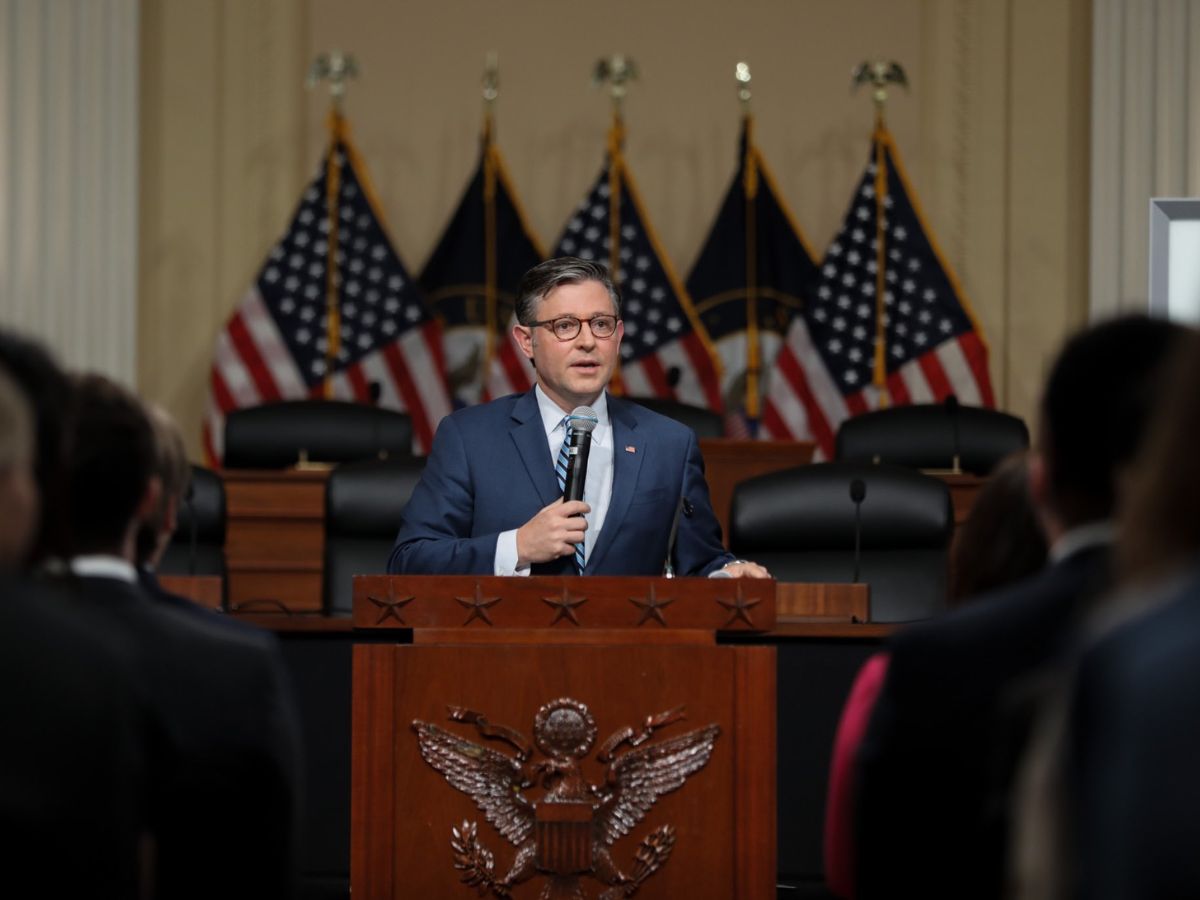

With the US federal government funding under President Donald Trump’s administration set to expire on September 30, the Congress is now facing a growing risk of a shutdown as Republicans and Democrats clash over health care funding. Multiple US media reports suggest that Republicans are pushing forward with plans for a short-term spending bill to keep the government running even as Democrats insist on protecting health care subsidies that millions of Americans depend on.
House Speaker Mike Johnson recently announced plans to introduce a temporary funding bill that would keep the government open into mid-November. “I want everyone within the sound of my voice to understand: Members of Congress are safe,” Johnson reportedly said on Monday while speaking at the Capitol.
The bill would include funding boosts for security in response to recent threats, including the assassination of conservative activist Charlie Kirk, Johnson added.
Democrats Push Back, Refuse to Back Cuts
Democrats, led by Senate Majority Leader Chuck Schumer and House Democratic Leader Hakeem Jeffries, for their part have argued that Republicans and President Donald Trump bear responsibility if a shutdown happens because of their refusal to negotiate on extending health care subsidies.
“If one side refuses to negotiate, they are the ones causing the shutdown,” Schumer said, according to The Associated Press.
Jeffries fired back at Trump’s call for the GOP unity on social media, saying, “House Democrats will not support a partisan Republican spending bill that continues to gut the healthcare of the American people. That’s what this shutdown fight is all about, Mr. President.”
What’s the Dispute About?
The dispute centers on enhanced subsidies under the Affordable Care Act, which have helped millions of Americans afford health insurance since the COVID-19 pandemic but are set to expire. Without them, health care premiums are expected to skyrocket, and millions risk losing coverage. The Congressional Budget Office estimates that failing to extend the subsidies could leave 2.2 million more people uninsured in 2026, rising to 3.7 million in 2027, as reported by The Associated Press.
Negotiations and Stakes
Republicans want to pass a short-term funding bill – possibly this week – to avoid an immediate shutdown, but Democrats remain firm on linking any funding to health care protections. Some Democrats, like Senator Tim Kaine, have reportedly said that they might back a short-term bill if it helps buy time for a deal.
Meanwhile, Senate Majority Leader John Thune expressed hope that sanctions on countries importing Russian oil won’t be included in the stopgap bill.




