
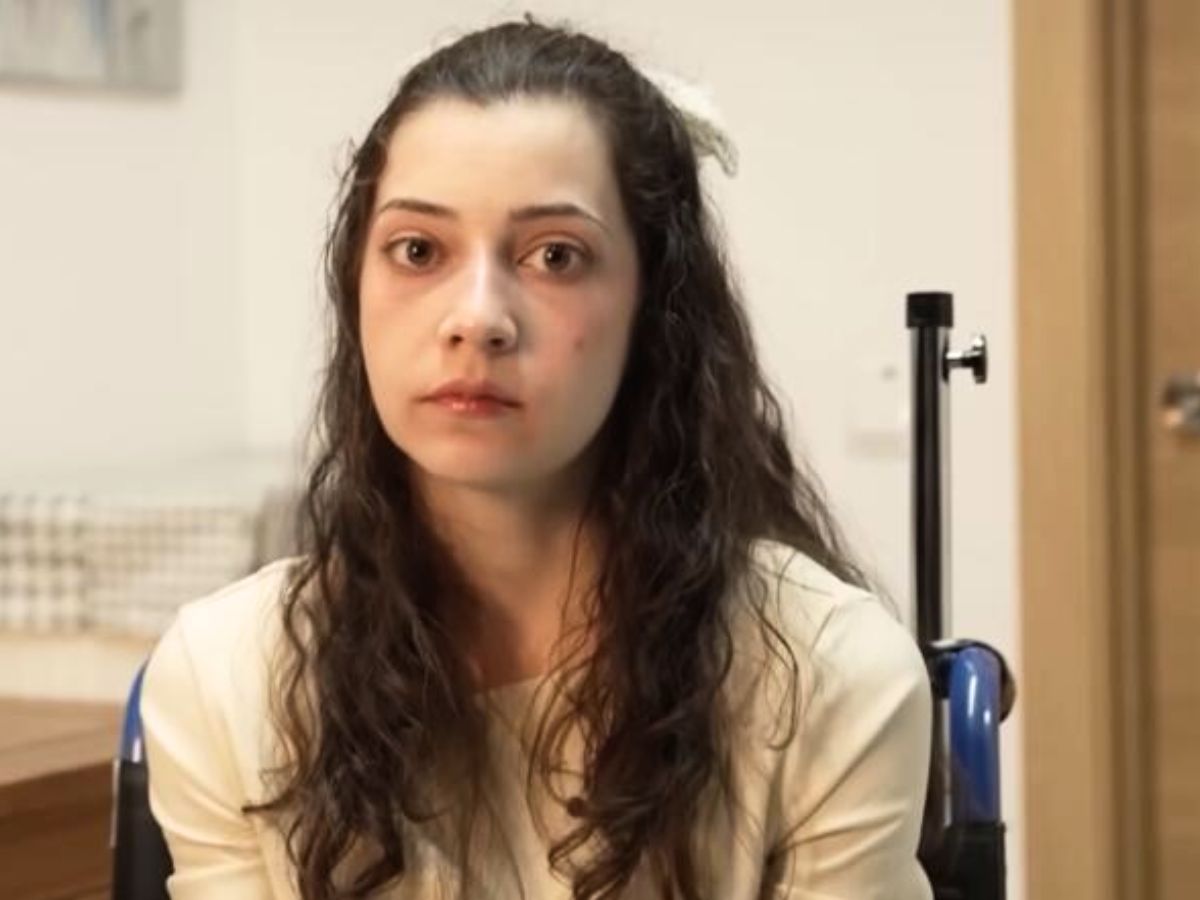

The story of Noelia Castillo Ramos, a 25-year-old woman from Barcelona, Spain, has sparked a global conversation around euthanasia, autonomy, trauma, and the right to die with dignity.
After a prolonged and deeply emotional legal battle primarily against her own father Noelia’s wish for assisted death was finally granted. On March 26, her life came to an end under Spain’s euthanasia law, closing a chapter marked by pain, resilience, and controversy.
Noelia Castillo death: A Life Marked by Trauma and Turning Points
Noelia’s life took a devastating turn in 2022. According to reports, she was sexually assaulted twice first by her ex-boyfriend and later by a group of three men. These incidents profoundly impacted her mental and emotional well-being, which had already been fragile due to years of psychiatric struggles.
Since the age of 13, Noelia had been undergoing psychiatric treatment. She was later diagnosed with Obsessive-Compulsive Disorder (OCD) and Borderline Personality Disorder (BPD). Her parents had separated during her childhood, and she often spoke about feeling alone and emotionally isolated.
The assaults in 2022, however, became a breaking point.
Noelia Castillo death: Suicide Attempt That Changed Everything
In October 2022, Noelia attempted to take her own life in what legal documents described as a “cocaine-fuelled” suicide attempt. After previously overdosing on medication, she jumped from the fifth floor of an apartment building.
She survived but the consequences were life-altering.
The fall left her paraplegic, paralysed from the waist down. Medical reports confirmed that she was living with severe, chronic, and debilitating pain, with no possibility of recovery. Everyday life became a struggle, with persistent physical suffering compounded by emotional trauma.
She later moved to a care facility in Barcelona, where she continued to receive treatment.
🚨THIS IS HEARTBREAKING🚨
GANG-RAPE VICTIM, 25, TO DIE BY EUTHANASIA TODAY AFTER COURTS OVERRULE FATHER’S DESPERATE BID TO SAVE HER!
Noelia Castillo was brutally gang-raped in 2022 by her ex-boyfriend and three other men – then jumped from a fifth-floor building in a suicide… pic.twitter.com/hXX573lh22
— G R I F T Y (@GriftReport) March 26, 2026
Noelia Castillo death: The Decision to Seek Euthanasia
Two years after the incident, Noelia made a decision that would define the rest of her life and she applied for euthanasia.
In July 2024, a specialised expert committee in Catalonia approved her request. Spain had legalised both voluntary euthanasia and assisted death in 2021, allowing adults suffering from serious, incurable conditions to choose death, provided they give informed consent.
For Noelia, this was not an impulsive choice. In interviews, she consistently maintained clarity about her decision.
“I want to go now in peace and stop suffering, period,” she said in an emotional appearance on the Spanish TV programme Y Ahora Sonsoles.
Noelia Castillo death: A Father’s Legal Fight to Stop Her
What followed was a prolonged and complex legal battle.
Noelia’s father, Geronimo Castillo, strongly opposed her decision. Backed by the ultra-conservative advocacy group Abogados Cristianos (Christian Lawyers), he argued that her mental health conditions impaired her ability to make such a life-ending decision.
He challenged her euthanasia approval in court, escalating the case through multiple legal levels in Spain. Eventually, the matter reached Spain’s Constitutional Court, which ruled in Noelia’s favour, stating that there had been no violation of her fundamental rights.
Not stopping there, her father approached the European Court of Human Rights, seeking urgent measures to block the procedure. However, the court rejected his plea on March 10. A final attempt in a lower court also failed, with a judge dismissing the request due to lack of jurisdiction.
Noelia Castillo death: Final Days and a Personal Goodbye
In the days leading up to her death, Noelia spoke candidly about her decision and the life she was leaving behind.
She expressed a desire to “die with dignity,” even sharing personal details about how she wanted her final moments to be. She wished to be alone in her room, dressed beautifully, and surrounded by meaningful photographs from her childhood, her school days, and moments with her loved ones.
Despite her father’s opposition, her mother, Yolanda ‘Yoli’ Ramos, stood by her.
While she hoped her daughter might reconsider, she promised to support her “until the very end.”
Spain’s Euthanasia Law and Its Implications
Spain’s euthanasia law, enacted in 2021, allows individuals with serious and incurable conditions or chronic suffering to seek assisted death. The process involves strict safeguards, including multiple medical evaluations and formal written requests.
By the end of 2024, over 1,100 people had availed themselves of this law.
Noelia’s case, however, stood out not just because of her age, but because of the intense legal opposition from her family and the broader ethical questions it raised.
Noelia Castillo death: A Case That Echoes India’s Harish Rana Debate
Noelia Castillo’s story has drawn parallels with India’s debates around euthanasia, particularly cases like that of Harish Rana. Both highlight the complex intersection of individual autonomy, medical ethics, family opposition, and legal frameworks.
Her death has reignited discussions globally: Who has the ultimate right over life and death? Can suffering justify the choice to die? And how should the law balance personal autonomy with societal and familial concerns?
Noelia Castillo death: A Story That Raises Difficult Questions
At just 25, Noelia Castillo Ramos’s life was shaped by trauma, pain, and a relentless fight for control over her own fate. Her decision to end her life through legal means has left the world divided between empathy for her suffering and discomfort over the idea of assisted death.
Her story is not just about euthanasia. It is about dignity, agency, and the enduring question of whether the right to live should also include the right to die.
And in that sense, her voice, quiet yet resolute, continues to echo far beyond Spain.
Sofia Babu Chacko is a journalist with over five years of experience reporting on Indian politics, crime, human rights, gender issues, and stories about marginalized communities. She believes journalism plays a crucial role in amplifying unheard voices and bringing attention to issues that truly matter. Sofia has contributed articles to The New Indian Express, Youth Ki Awaaz, and Maktoob Media. She is also a recipient of the 2025 Laadli Media Awards for gender sensitivity. Beyond the newsroom, she is a music enthusiast who enjoys singing. Connect with Sofia on X: https://x.com/SBCism




