
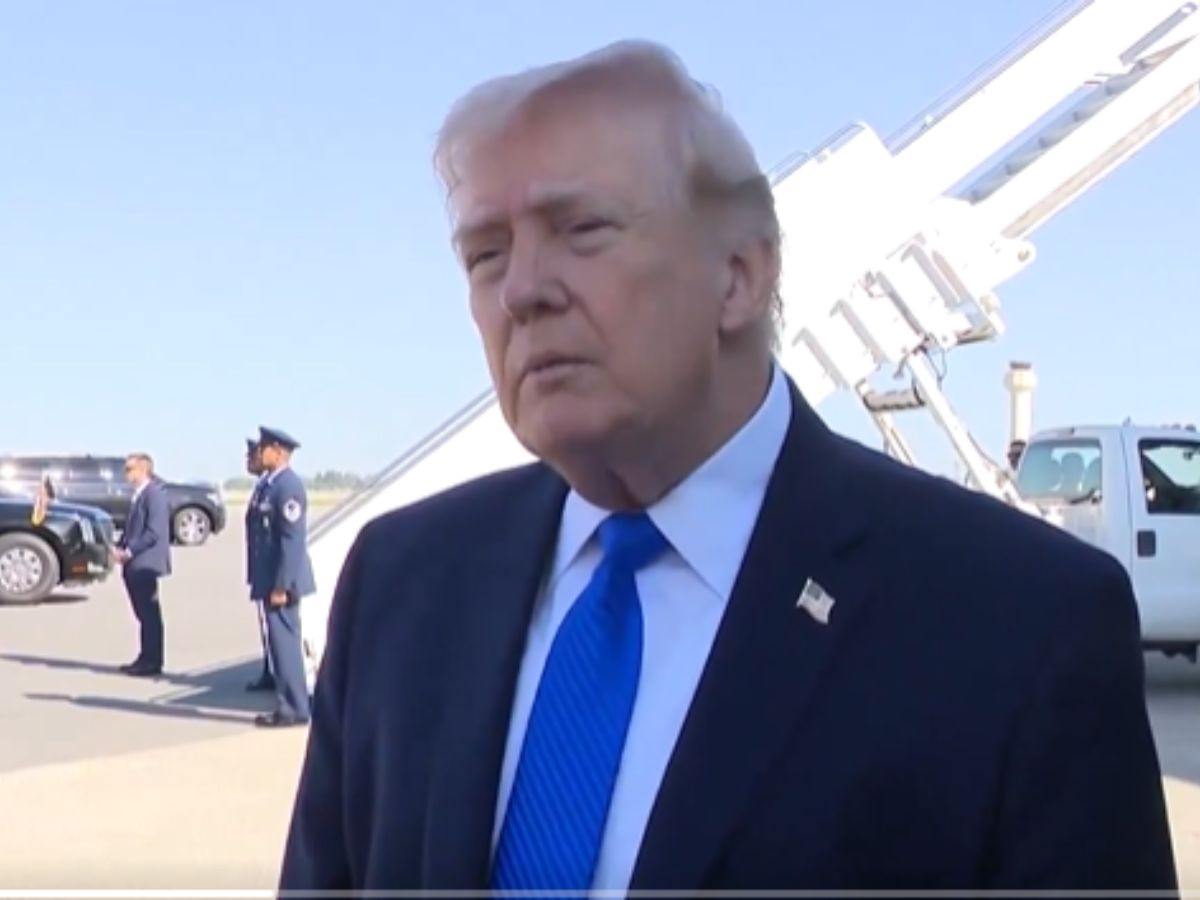

US President Donald Trump claimed that there have been “very productive” conversations with Iran regarding the continued hostilities between their respective countries. Due to this, he has decided to suspend any military operations planned against Iranian energy installations for a period of 5 days to allow for diplomacy.
However, this announcement has resulted in confusion and skepticism, particularly by Iranian officials who have stated that no such conversations have occurred and have called him out for making false statements that appear to be intended to influence global oil prices or otherwise buy time during the military conflict.
Indirect Backchannel Talks Suspected via Third Countries
There is evidence that these types of indirect communication may exist, which could have involved third-party countries such as Turkey, Egypt, or Pakistan; however, no reports have surfaced regarding any direct, open negotiations taking place between Washington and Tehran. As such, it remains unclear what, if any, information regarding diplomacy may be coming from President Trump.
President Trump issued several stark warnings regarding Iran earlier in his presidency. These included threats of military action if Iran were not to meet specific conditions. Furthermore, intelligence assessments suggest that should escalation occur, Iran will almost certainly retaliate against US-allied forces in the Gulf (i.e. Saudi Arabia), which could exacerbate the conflict.
Tensions Disrupt Oil Markets and Strait of Hormuz Supply Routes
Despite this backdrop of risks, Trump has continued to express optimism for a potential agreement with Iran, suggesting that the military pressure placed on Iran has created an opportunity for diplomatic negotiations, and that “there are major areas of agreement” between the two countries; he did not elaborate on what those agreements might be.
At the same time, the situation on the ground is far from stable. The ongoing conflict among Israel, the United States, and Iran has already caused damage and disrupted global energy markets, particularly as it relates to oil supplies. The recent tension over the Strait of Hormuz alone caused a substantial disruption to global oil supply chains.
Experts and US allies are clearly cautious, with many concerned that if there is no diplomatic resolution to the current disagreements between the US and Iran, the situation will likely deteriorate rapidly. Many analysts are grappling with the difference between the public statements made by government representatives and what is happening (or not happening) in actual negotiations and are concerned that this situation could lead to a substantial miscalculation.
Khalid Qasid is a media enthusiast with a strong interest in documentary filmmaking. He holds a Master’s degree in Convergent Journalism from AJK MCRC. He has also written extensively on esports at Sportsdunia. Currently, he covers world and general news at NewsX Digital.




