
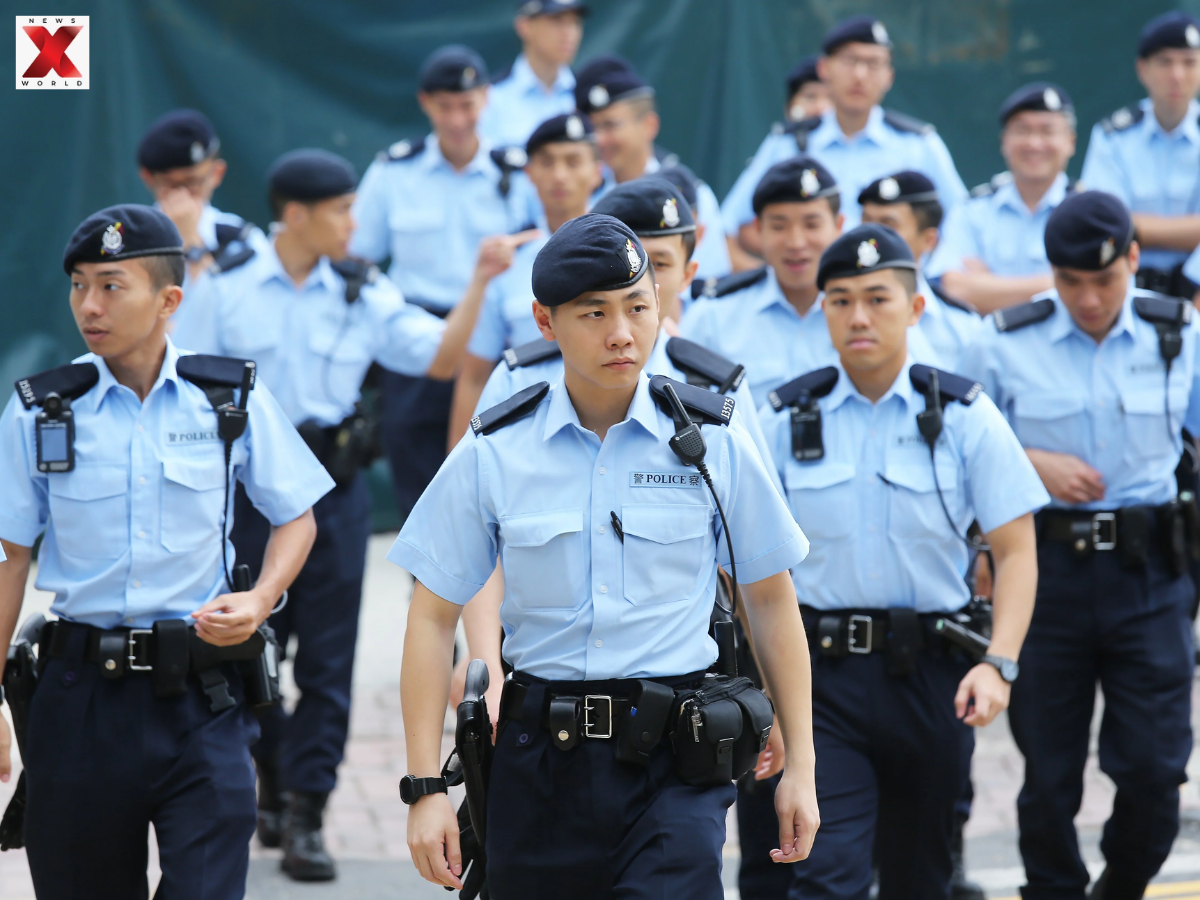

HONG KONG POLICE GET NEW POWERS: Hong Kong police have new powers. They can now demand your phone or computer passwords if they suspect you broke national security laws.
If you refuse, you could face up to a year in jail and a heavy fine. Give them false information, and you’re looking at three years behind bars.
This change follows updates to the National Security Law, which originally passed after massive pro-democracy protests. That law already carried tough penalties for subversion and collusion with foreign governments, sometimes even life in prison.
In 2024, Hong Kong pushed through “Article 23” to close what it called loopholes in its security regime.
Officials sidestepped the city legislature, insisting the laws were needed for stability, though critics say they’re just a way to stifle dissent. Chief Executive John Lee broke the news, triggering fresh concerns among residents.
Hong Kong’s New Password Law and What It Means
According to China Daily, new rules kicked in this week, updating Article 43’s implementation guidelines. Now, police don’t need to arrest you before they demand passwords.
They just need to suspect your devices are tied to security threats. They can seize devices and force you to hand over “any reasonable and necessary information.” The update was pushed through by government officials, not lawmakers, just like the original security law.
Authorities claim the new rules help them clamp down effectively on threats while supposedly protecting people’s legal rights. But on the street, plenty of folks aren’t convinced.
Police in Hong Kong can now force people they suspect of breaking the National Security Law to hand over their phone and computer passwords. They can grab electronic devices on the spot and make you help them however they see fit, even if you’re not under arrest.
What if someone refuses to cooperate?
If you refuse to give your passwords or don’t help when police ask, you’re looking at up to a year in jail, plus a fine of about $12,700 (roughly Rs 11.90 lakh). Lying or giving misleading information can land you behind bars for up to three years.
Why do the new amendments worry people?
Critics say these changes give the authorities way too much power, with hardly any checks from the courts. The rules around what counts as “national security” are so vague that, depending on how the law gets used, it could target just about anyone, from ordinary people to activists, even foreign businesses trying to operate in Hong Kong.




