
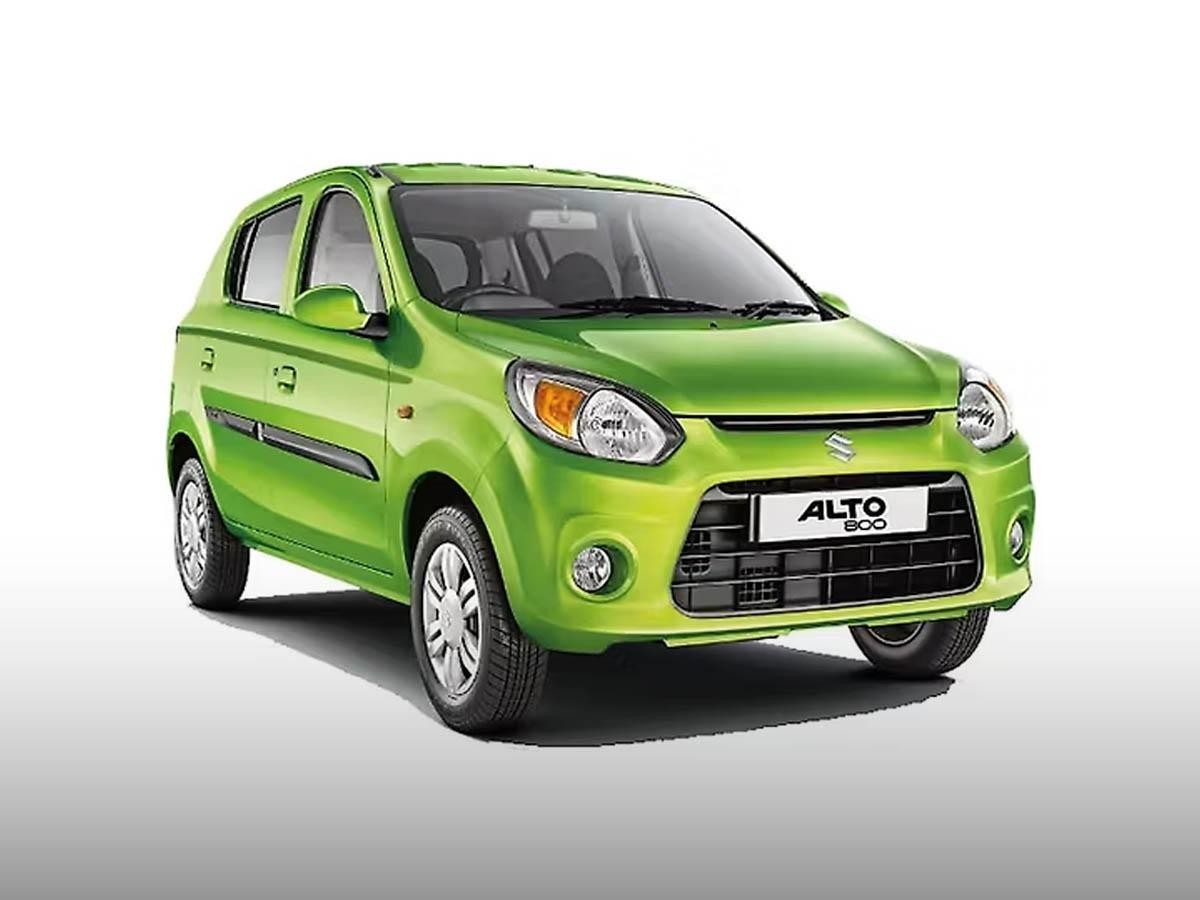

For decades, the Maruti Alto 800 has been the unofficial first car of the Indian middle class. Even after its official production ceased in early 2023, its dominance has shifted seamlessly into the pre-owned market. If you are browsing for second hand Maruti cars, the Alto 800 remains the most searched, most traded, and most trusted entry-level hatchback.
But what makes a car with basic features and a compact footprint stay at the top of the charts in 2026? Let’s decode the enduring appeal of this budget champion.
The Price Advantage: A Used Alto 800 for Every Budget
The primary reason for the Alto’s lead is its accessibility. The 2nd hand Alto 800 price covers a massive spectrum, making it a viable option for everyone from college students to small business owners.
| Model Year Range | Estimated Price (Petrol) | Best For |
| 2013 – 2015 | ₹1.5 Lakh – ₹2.2 Lakh | Learning to drive; short city runabouts. |
| 2016 – 2019 | ₹2.3 Lakh – ₹3.1 Lakh | Daily office commutes with high reliability. |
| 2020 – 2023 | ₹3.3 Lakh – ₹4.5 Lakh | Like-new condition; includes BS6 refinement. |
Note: Prices vary by city, condition, and variant (STD, LXi, VXi).
Why the Alto 800 Leads the Second Hand Race
1. The 35+ km/kg Efficiency
In a world of rising fuel costs, the Alto 800’s frugality is legendary. While the petrol variant easily delivers 18–22 kmpl, the factory-fitted S-CNG models are the real stars, offering over 31 km/kg. In the used market, a CNG Alto 800 is considered liquid gold because it pays for itself through fuel savings within a couple of years.
2. Maintenance is Pocket Change
Ask any local mechanic from Delhi to Madurai, and they can fix an Alto 800 with their eyes closed. Spare parts are available at every corner shop and are incredibly affordable. An annual service typically costs between ₹3,000 and ₹5,000—a fraction of what you’d pay for a premium hatchback or SUV.
3. High Liquidity (Resale Value)
The Alto 800 is one of the few cars that follows the buy today, sell tomorrow rule. Because the demand is always higher than the supply, you can use an Alto for two years and sell it back for 80-85% of what you paid. It is a low-risk asset that holds its value better than almost any other second-hand Maruti car.
Alto 800 vs. Other Second Hand Maruti Cars
When buyers look at the Maruti stable, the choice often boils down to the Alto 800, the WagonR, or the Celerio.
● Alto 800 vs. WagonR: The WagonR offers more Tall Boy space and a bigger engine (1.0L or 1.2L). However, a used WagonR typically costs ₹1.5 Lakh to ₹2 Lakh more than a similar-aged Alto. For a nuclear family or a single commuter, the Alto offers better value for money.
● Alto 800 vs. Alto K10: The K10 version provides more zip and an AMT (automatic) option. But for those looking for the absolute lowest running costs and a simpler mechanical setup, the 800cc engine remains the preferred choice.
Buying Checklist: Points to Verify
If you’re hunting for a used Alto 800, keep these three points in mind:
1. AC Performance: Ensure the compressor isn’t making noise. In a small car, the AC draws significant power; it should cool efficiently without stalling the engine at idle.
2. Suspension Noise: Check for rattles when going over speed breakers. While cheap to fix, it’s a good negotiation point.
3. CNG Certification: If buying a CNG model, ensure the hydro-testing of the cylinder is up to date and mentioned on the RC (Registration Certificate).
Conclusion
The Maruti Alto 800 may not have a sunroof, ventilated seats, or a 360-degree camera, but it offers something more valuable to the Indian buyer: unbeatable peace of mind. It is a car that refuses to break down and refuses to be expensive. As long as Indian roads remain congested and fuel remains a major expense, the Alto 800 will continue to lead the second-hand Maruti car market with ease.




