
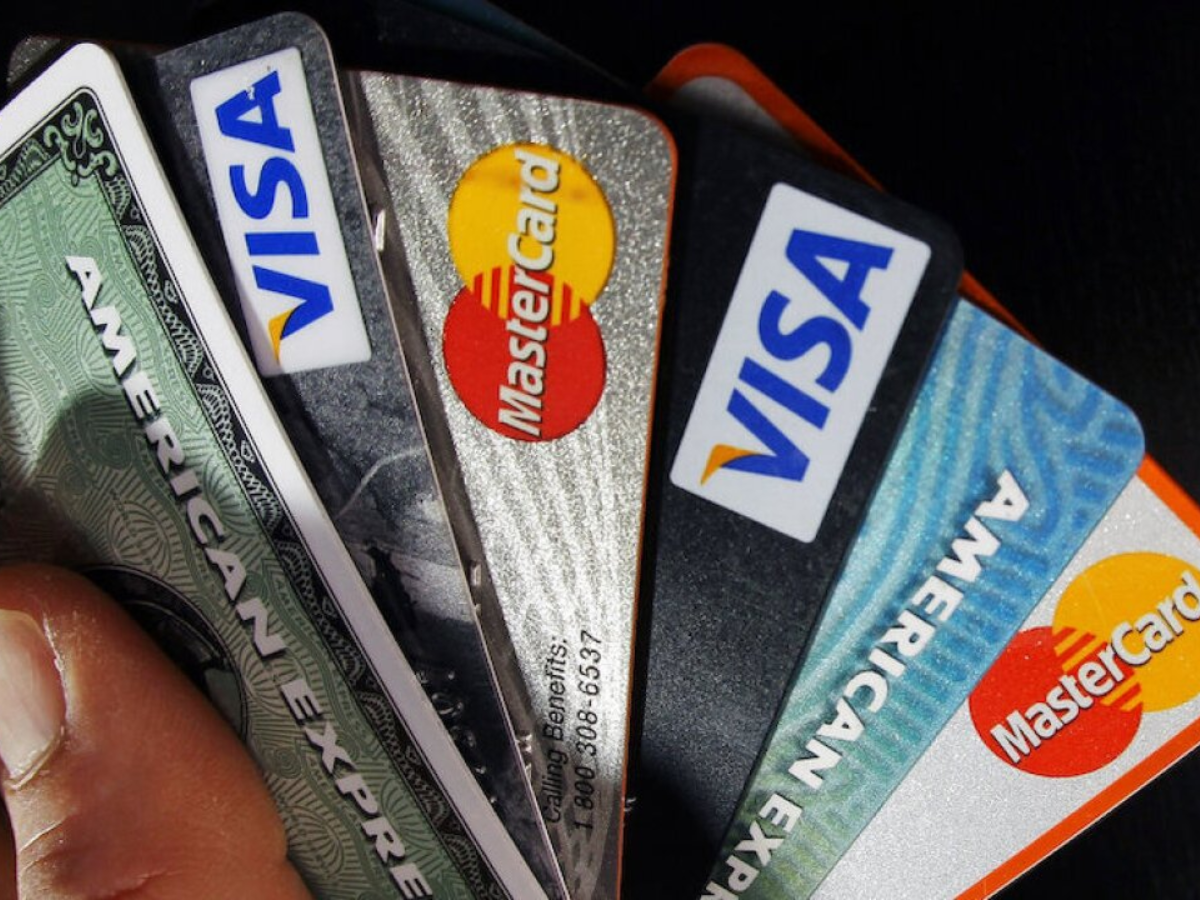

The moment that first salary hits the account, it starts to feel less than enough. In the desire to have more, shop more, and handle big bills, freshers often fall into the trap of credit cards—and that’s where the story of becoming financially overburdened begins.
Missing one payment often leads to missing more, and before you know it, you’re unintentionally harming your financial standing. Your CIBIL score starts dropping, which directly affects your future borrowing ability. A poor CIBIL score can prevent you from getting loans during emergencies when you need them most.
The lenders offering attractive credit cards to eager, wide-eyed individuals aren’t really giving you aid—they’re banking on the interest they’ll earn from you. And with each missed payment, interest piles up, playing right into their model of profit through penalties.
As a fresher, you must set rules for yourself when applying for, taking, and using a credit card.
Let’s help you out with the smartest ways to use credit cards wisely and build your financial future with confidence.
Before Using ACredit Card, Why Is It Important To Have A Good Credit Score?
Before diving into smart credit habits, let’s understand why maintaining a good credit score really matters, especially if you’re just starting your career.
- Long-Term Financial Health
- Establishing good credit early builds a solid financial foundation for your future.
- Why it matters: A strong credit profile can support your future goals—whether it’s launching a business, buying property, or securing an emergency loan in a crisis.
- Establishing good credit early builds a solid financial foundation for your future.
- Easier Approval for Loans and Credit Cards
- A strong credit score increases your chances of getting approved for financial products like credit cards, personal loans, home loans, and auto loans.
- Why it matters: As you grow in life—whether you plan to buy your first car, own a home, or travel—you’ll likely need access to credit. Lenders trust applicants with higher scores, seeing them as financially responsible.
- A strong credit score increases your chances of getting approved for financial products like credit cards, personal loans, home loans, and auto loans.
- Additional Loan Benefits and Perks
- Many lenders offer exclusive benefits to borrowers with excellent credit. These can include reduced processing fees, longer repayment periods, zero prepayment charges, or loyalty rewards.
- Why it matters: These perks enhance your borrowing experience and save you money both upfront and in the long run.
- Many lenders offer exclusive benefits to borrowers with excellent credit. These can include reduced processing fees, longer repayment periods, zero prepayment charges, or loyalty rewards.
- Higher Credit Limits
- With a good credit score, lenders are more confident in your ability to repay. That trust often translates into higher credit card limits and bigger loan amounts.
- Why it matters: This gives you more financial flexibility in emergencies or when making large purchases—but only if you continue using credit responsibly.
- With a good credit score, lenders are more confident in your ability to repay. That trust often translates into higher credit card limits and bigger loan amounts.
- Better Interest Rates on Loans
- The higher your credit score, the better the deal you can get on loan interest rates.
- Why it matters: A lower interest rate means you pay less over time. Even a small reduction in rates can save you thousands over the life of a loan—money that can go into savings or other investments.
- The higher your credit score, the better the deal you can get on loan interest rates.
- Quicker Loan Approvals
- Strong credit often speeds up the approval process, especially for pre-approved offers.
- Why it matters: In situations where you need urgent access to funds—like a medical emergency or a time-sensitive investment—a high credit score can mean faster approvals with fewer hassles.
- Strong credit often speeds up the approval process, especially for pre-approved offers.
- More Negotiating Power
- When you have a strong credit history, you can sometimes negotiate better terms with lenders.
- Why it matters: Whether it’s a lower interest rate, waiver of charges, or better repayment terms, having good credit gives you leverage.
- When you have a strong credit history, you can sometimes negotiate better terms with lenders.
Smart Credit Habits Every Fresher Should Adopt (Without Losing Sleep or Savings)
| Habit | What It Means | Why It Matters |
|---|---|---|
| Never ghost your bills | Pay your full credit card bill before the due date. Minimum due ≠ safe zone. | Late payments = credit heartbreak + scary interest (up to 42% a year!). Stay punctual, and your credit score will love you for life. |
| Don’t max out your card | Keep your card swipes under 30% of your total limit. ₹1L limit? Try to spend less than ₹30k. | Going overboard makes you look credit-hungry—even if you pay back on time. Keep it chill, and your credit score stays chill too. |
| Mix it up (but wisely) | A healthy combo of secured (like home/car loan) and unsecured (credit card/personal loan) is ideal. | Credit bureaus like variety—but only when it makes sense. Don’t take a loan “just because.” Let your credit profile show balance, not desperation. |
| Spy on your credit report | Check your report regularly—think of it as stalking your financial doppelgänger (the responsible version). | One weird entry? Could be fraud or a mistake. Catch it early, fix it fast, and protect your future borrowing power like a boss |
Also Read: Did You Just Close A Loan? Here Is Why Your Credit Score Might Still Be The Same
Aishwarya is a journalism graduate with over three years of experience thriving in the buzzing corporate media world. She’s got a knack for decoding business news, tracking the twists and turns of the stock market, covering the masala of the entertainment world, and sometimes her stories come with just the right sprinkle of political commentary. She has worked with several organizations, interned at ZEE and gained professional skills at TV9 and News24, And now is learning and writing at NewsX, she’s no stranger to the newsroom hustle. Her storytelling style is fast-paced, creative, and perfectly tailored to connect with both the platform and its audience. Moto: Approaching every story from the reader’s point of view, backing up her insights with solid facts.
Always bold with her opinions, she also never misses the chance to weave in expert voices, keeping things balanced and insightful. In short, Aishwarya brings a fresh, sharp, and fact-driven voice to every story she touches.




