
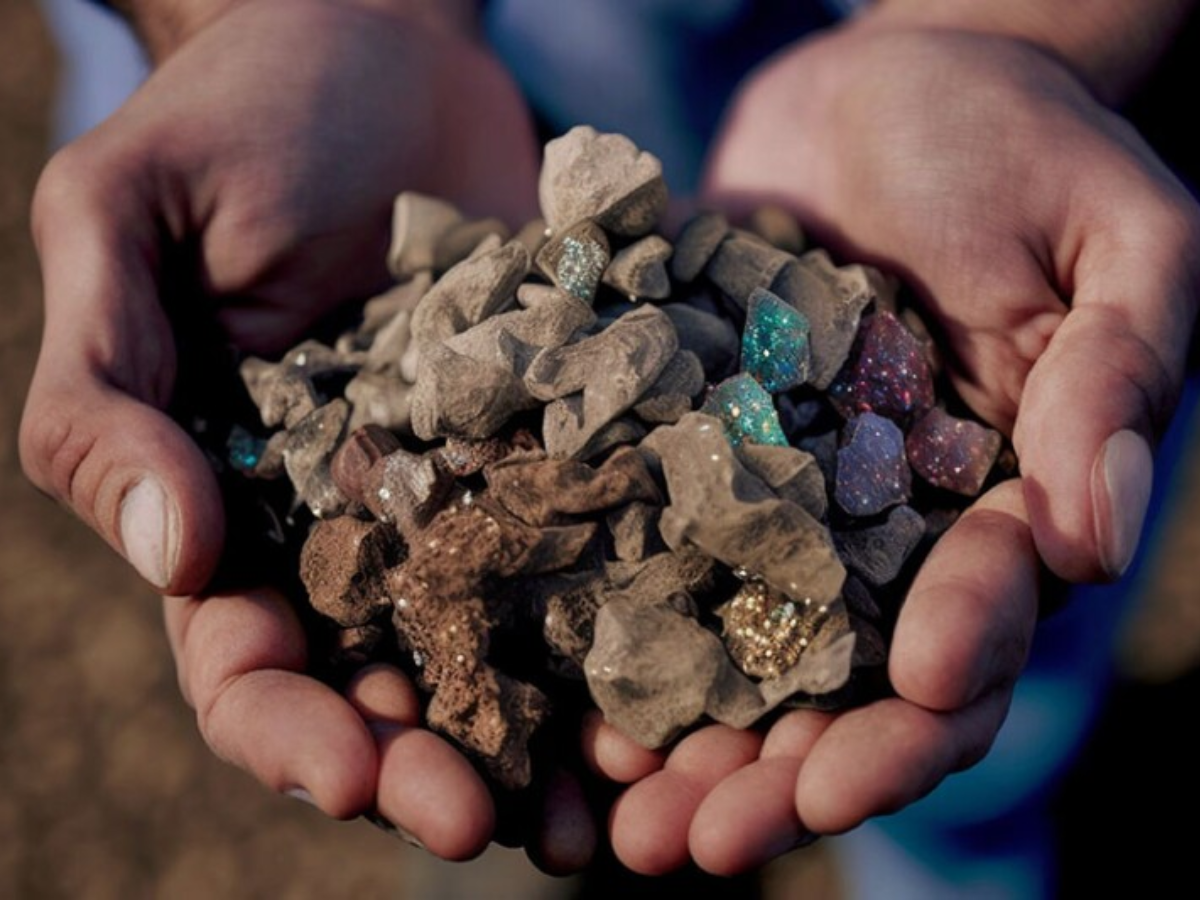

State Bank of India (SBI) released a research report urging state governments to lead rare earth exploration and processing. The report emphasizes that rare earth elements are vital for modern industries due to their unique physical and chemical properties. These minerals support device miniaturization, thermal stability, and energy efficiency. SBI notes that active state involvement can drive regional economic development and reduce India’s reliance on imports. “The active participation of state governments in encouraging rare earth exploration and processing can contribute to regional economic development and self‑sufficiency in critical mineral value chains.” The report arrives as India battles heavy import bills for rare earth materials and magnets, which are integral to multiple high-tech sectors.
Strategic Importance Of Rare Earths In India’s Industries
SBI highlights that rare earth elements serve six major industries, with primary consumption in basic metals and electrical and optical equipment. Rare earth magnets have surged in demand within automotive, electronics, and machinery sectors. Data shows that India’s annual rare earth imports averaged USD 33 million over the past four years, dropping slightly to USD 31.9 million in FY25. Meanwhile, rare earth magnet imports skyrocketed to USD 291 million in FY25, the highest level recorded. These figures underline the urgency for domestic capability building. With global supply disruptions and China’s export restrictions, India must fortify its critical mineral ecosystems.
Policy Response: National Critical Mineral Mission
To address these challenges, the Indian government launched the National Critical Mineral Mission (NCMM) in 2025. The mission designates 30 minerals as critical for national economic security. It and allocates Rs 18,000 crore for implementation between 2025 and 2031. SBI advocates for state governments to engage actively in rare earth exploration, beneficiation, and processing. Increased state involvement would enable local job creation, infrastructure development, and industrial growth. It would also support the central aim of reducing import dependency and strengthening India’s role in global value chains.
Why Investors Should Care
| Factor | Details |
|---|---|
| Import Dependency | Rare earth imports (~USD 32 m) and magnet imports (~USD 291 m in FY25) |
| Key Industries Impacted | Automobile, electrical & electronics, machinery, basic metals |
| Government Initiative | National Critical Mineral Mission with Rs 18,000 crore funding |
| Role of State Governments | Exploration, processing support, regional economic development |
India’s rare earth push could unlock major gains for investors in electronics, renewables, and manufacturing. Watch early-moving states and sectors—they may spark fresh economic and industrial momentum.
(From ANI)
Also Read: Tata Plans BIGGEST IPO News: Timelines, Prices And Profit Plays — Next Big Market Moves Uncovered!
Aishwarya is a journalism graduate with over three years of experience thriving in the buzzing corporate media world. She’s got a knack for decoding business news, tracking the twists and turns of the stock market, covering the masala of the entertainment world, and sometimes her stories come with just the right sprinkle of political commentary. She has worked with several organizations, interned at ZEE and gained professional skills at TV9 and News24, And now is learning and writing at NewsX, she’s no stranger to the newsroom hustle. Her storytelling style is fast-paced, creative, and perfectly tailored to connect with both the platform and its audience. Moto: Approaching every story from the reader’s point of view, backing up her insights with solid facts.
Always bold with her opinions, she also never misses the chance to weave in expert voices, keeping things balanced and insightful. In short, Aishwarya brings a fresh, sharp, and fact-driven voice to every story she touches.




