
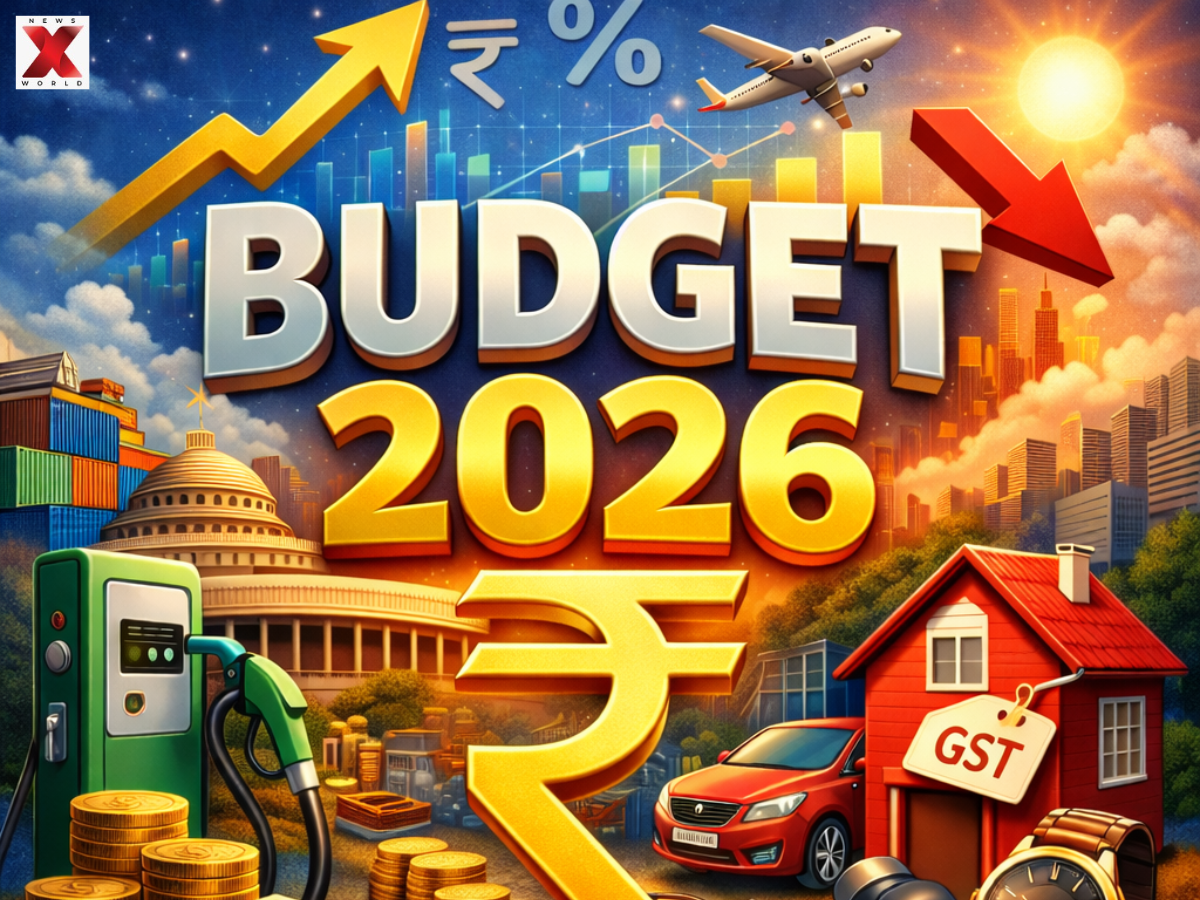

BUDGET 2026: Union Budget 2026-27 is being closely watched as it directly impacts household expenses and consumer prices. One of the key highlights of the budget is the list of items that may become cheaper or costlier due to changes in taxes, duties and policy measures.
Every year, the government adjusts customs and excise duties to support domestic manufacturing, control imports, and boost demand.
When duties are reduced, prices usually come down for consumers. When duties are increased, certain items become costlier.
As Finance Minister Nirmala Sitharaman’s budget speech progresses, clarity will emerge on how these changes affect everyday goods, including essentials and consumer products.
On Sunday, Union Finance Minister Nirmala Sitharaman rolled out her ninth Union Budget in a row. Right away, people started scanning for what’s getting cheaper and what’s going to pinch their wallets.
Here’s a quick rundown of things that just got cheaper:
Good news first: sports equipment will cost less now. The same goes for medicines for diabetes and cancer, which is a big relief for many.
Foreign education
Cancer drugs
Leather goods
Alcoholic liquor scrap and certain minerals
Footwear
Overseas tourism packages
Microwave ovens
TV equipment
Cameras
Energy transition equipment
Video games’ manufacturing parts
Coffee and vending machines
What gets costlier?
Coal
Income tax misreporting – Penalty equal to 100 per cent of the tax amount
Stock options and futures trading
Non-disclosure of movable assets
About Budget 2026
On Thursday, Union Finance Minister Nirmala Sitharaman tabled the Economic Survey of India in Parliament for the financial year 2025-26.
The tabling of the Economic Survey ahead of the Budget follows the long-standing tradition of outlining the state of the economy before detailing future fiscal plans.
Union Minister for Finance and Corporate Affairs Smt Nirmala Sitharaman along with Minister of State for Finance Shri Pankaj Chaudhary and senior officials of the Ministry of Finance called on President Droupadi Murmu at Rashtrapati Bhavan before presenting the Union Budget. The… pic.twitter.com/XhBbxwFeAS
— President of India (@rashtrapatibhvn) February 1, 2026
The document provided a comprehensive, data-backed review of the economy’s performance over the previous year and offers a broad roadmap for future policy direction. As the government’s flagship annual report, it reviews key economic developments over the past 12 months.
India’s real GDP growth for 2026-27 is projected in the range of 6.8-7.2 per cent, reflecting sustained medium-term growth capacity amid a challenging global environment.
India recorded the lowest inflation rate since the beginning of the CPI series, with April-December 2025 average headline inflation coming in at 1.7 per cent, attributing to general disinflationary trend in food and fuel prices.




