
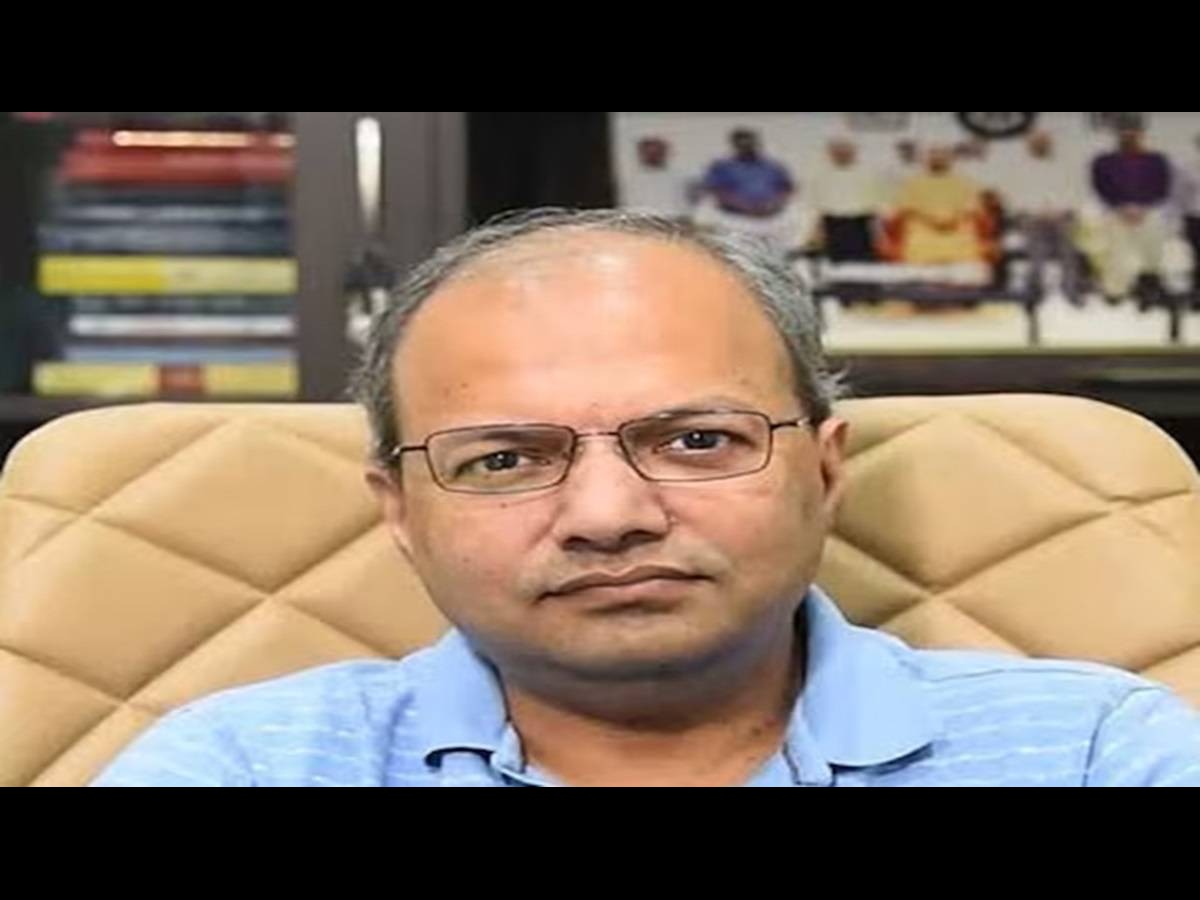

As IIT Kanpur moves forward toward becoming an “AI-first” campus, Director Manindra Agrawal has drawn attention to the increasing ethical dilemma induced by generative AI in student assignments. He warned that the boundary between academic assistance and plagiarism is increasingly blurred, urging the institute to focus on ethics, transparency and responsible AI literacy into its academic framework .
He voiced concern that students relying on AI for idea generation, not merely language refinement, are unwittingly compromising learning and undermining academic integrity. “If a student feeds their own ideas to an AI and uses it for language refinement, that’s acceptable. But when ideas themselves are generated by the tool, it becomes plagiarism,” he noted .
The issue, he explained, isn’t merely technological but deeply human: detection tools exist to identify AI-generated content, but assessing the originality of thought remains a challenge. To counter this, IIT Kanpur is exploring novel evaluation systems that distinguish between acceptable AI assistance and dishonest use .
Under Agrawal’s leadership, the institute is rolling out an innovative approach to ethical AI education. Plans include introducing a core course on responsible AI usage across disciplines not to train engineers exclusively, but to cultivate an understanding of AI’s potential and pitfalls for all students. A new curriculum committee will accelerate revisions, shortening the review cycle from a decade to match the pace of technological advancement .
Beyond classroom ethics, IIT Kanpur’s broader AI agenda is expansive. The institution has launched the Wadhwani School of AI and Intelligent Systems, supporting AI-driven applications in GovTech, healthcare, sustainable cities and drone autonomy. In another initiative, researchers are developing AI tools to detect early signs of psychological distress through behavioral data, balancing empathy with data-driven vigilance to safeguard mental health .
The intersection of ethics, mental health, and technology is also shaping student well-being strategies. Student representatives are included in project committees, ensuring a co-creative process that respects autonomy while leveraging AI’s advantages. Agrawal stressed that IIT Kanpur’s culture of openness and flat hierarchy remains as vital as any technological innovation.
His message to educational institutions is clear: embracing AI must go hand in hand with ethical deployment. His appeal is timely, as universities across India debate policies to prevent misuse of AI in academics while harnessing its potential for personalized learning and administrative efficiency.
By proactively framing AI as both opportunity and responsibility, IIT Kanpur is striving to set an example for academic integrity in the AI era.
Also Read: PM Modi shares new details of US‑India diplomacy during Operation Sindoor




