
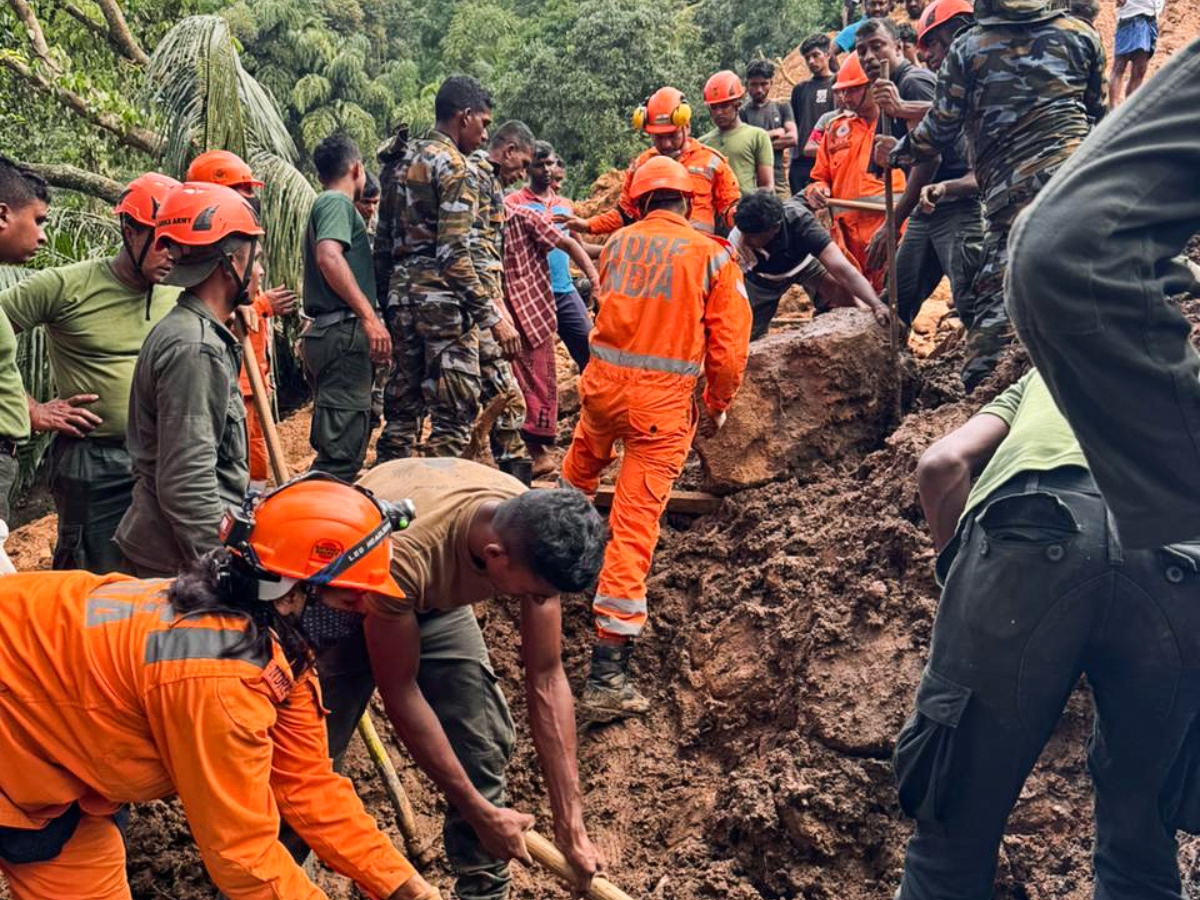

Cyclone Senyar and Cyclone Ditwah brought torrential rains, triggering catastrophic floods and landslides across Indonesia, Thailand, and Sri Lanka over the past week. The combined death toll in the three countries has now crossed 1,200, with more than 800 people still missing, according to reports.
Days of heavy rainfall submerged wide regions, marooning thousands and forcing many residents to cling to rooftops as they waited for rescue teams. Indonesia recorded the heaviest impact, while Sri Lanka and Thailand also reported severe destruction and widespread displacement.
Indonesia, Thailand, and Sri Lanka Hit Hard: Country-Wise Death Toll
According to reports, at least 1,250 people have died across the three countries. According to AFP,
Indonesia reported 659 deaths
Sri Lanka reported 410 deaths
Thailand reported 181 deaths
Rescue and recovery operations are underway, but worsening weather and damaged infrastructure are hampering progress.
Cyclone Senyar Devastates Indonesia
Indonesia has suffered the most extensive devastation. Floodwaters and landslides have cut off entire villages in Sumatra, where washed-out roads and collapsed bridges have obstructed access.
The National Disaster Management Agency reported that 475 people are still missing, while transport links have been hit with severe damage. The agency said that helicopter and boat operations are ongoing,
Cyclone Ditwah Kills Hundreds in Sri Lanka, Hundreds Others Missing
In Sri Lanka, military-led teams are searching for 352 missing people after floods and landslides triggered by Cyclone Ditwah. The Disaster Management Centre said many areas remain unreachable, with landslides blocking roads and several bridges destroyed.
Residents in Kandy are struggling with acute shortages of drinking water, relying heavily on bottled water from natural springs, the Associated Press reported. Authorities warn that conditions may deteriorate, with more rainfall expected.
Massive Floods in Thailand
Southern Thailand has entered the early phase of cleanup, following flooding that affected 1.5 million households and 3.9 million people. According to reports, authorities are working to restore essential services, including electricity and water. The Interior Ministry has announced plans to set up public kitchens to ensure access to freshly cooked meals.
Government spokesperson Siripong Angkasakulkiat told AP that the first round of compensation—worth 239 million baht ($7.4 million), will be distributed to 26,000 affected residents.
Why the Impact Was So Severe: Expert Insights
According to a Climate scientist, Roxy Mathew Koll, quoted by Al-Jazeera, cyclone warnings were issued well in advance in all three countries.
Satellite systems successfully tracked both storms, and heavy rain alerts were disseminated early. Yet, more than 1,000 people still lost their lives.
Koll told Al-Jazeera that Cyclone Senyar and Cyclone Ditwah were not particularly powerful in terms of wind speed, recording only 60–80 km/h (37–50 mph). However, they carried exceptional amounts of moisture, resulting in extreme rainfall.
Zubair Amin is a Senior Journalist at NewsX with over seven years of experience in reporting and editorial work. He has written for leading national and international publications, including Foreign Policy Magazine, Al Jazeera, The Economic Times, The Indian Express, The Wire, Article 14, Mongabay, News9, among others. His primary focus is on international affairs, with a strong interest in US politics and policy. He also writes on West Asia, Indian polity, and constitutional issues. Zubair tweets at zubaiyr.amin




