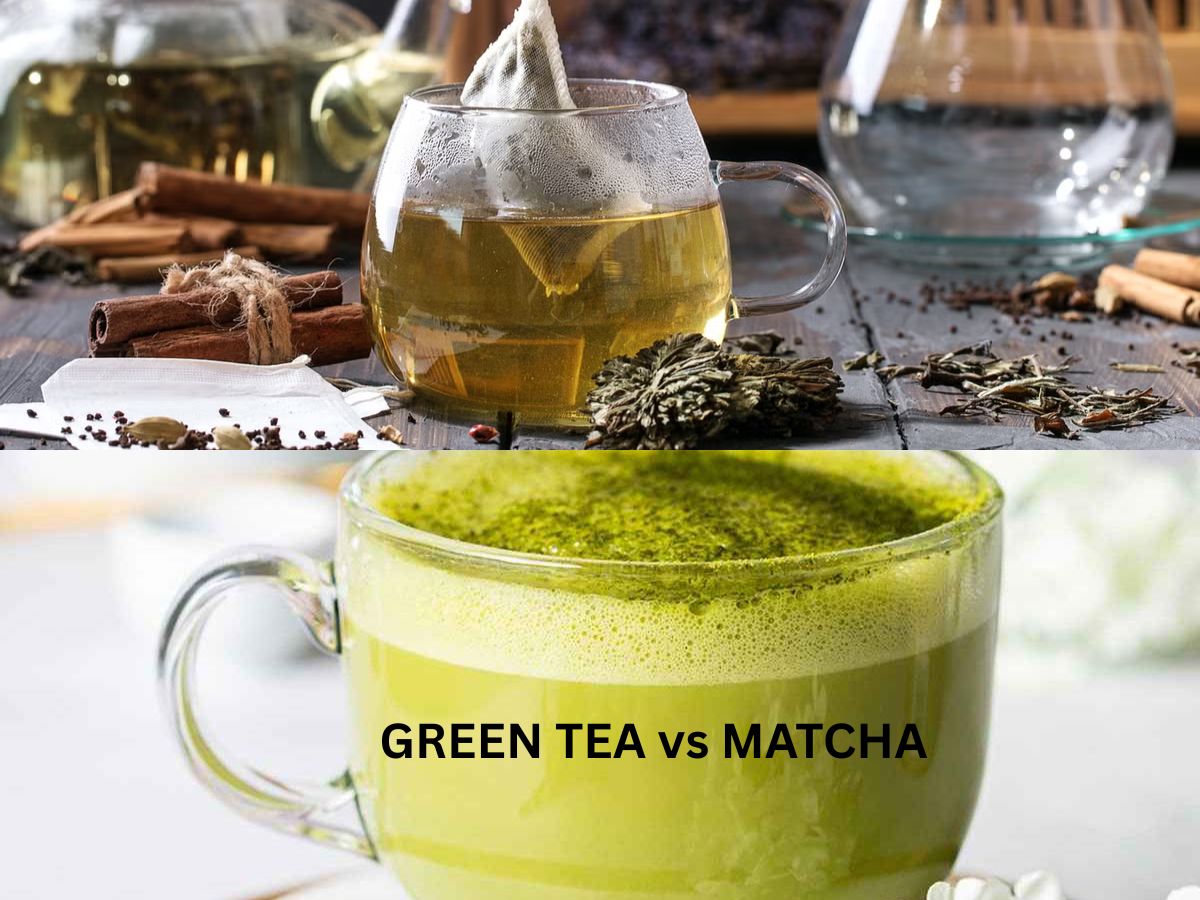

Green tea and matcha are both popular health drinks known for their antioxidant properties and numerous wellness benefits. While they come from the same plant, Camellia sinensis, their processing methods, flavors, and health benefits differ significantly. Understanding these differences can help you choose the right drink for your lifestyle and wellness goals.
What Is Green Tea?
Green tea is made by stepping tea leaves in hot water. The leaves are lightly processed to preserve their natural antioxidants and nutrients. It has a mild, refreshing flavor and is rich in catechins, which are compounds known to improve heart health, boost metabolism, and aid weight management. Green tea is widely consumed worldwide and is available in tea bags or loose leaf form.
What Is Matcha?
Macha is a powdered form of green tea, made by finally grinding specially grown tea leaves. Unlike regular green tea, you consume the whole leaf when drinking matcha, which means you get higher concentrations of antioxidants, vitamins, and minerals. It has a rich, earthy flavor and is often used in lattes, deserts, and smoothies, making it more versatile than standard green tea.
Processing and Preparation
The biggest difference between the two lies in their preparations:
- Green tea:- The leaves are infused in hot water, and then the leaves are discarded, so you consume only the extract.
- Matcha:- The entire powdered tea leaf is whisked in water or milk, providing maximum nutrient absorption.
Matcha production involves shading tea plants before harvest to increase chlorophyll levels, giving the Powder its vibrant Green color and nutrient density.
Nutritional Differences
Since matcha uses the entire tea leaf, it contains more antioxidants than regular green tea.
- Matcha- Rich in catechins, especially epigallocatechin gallate, which supports heart health and weight loss. It also contains more caffeine, offering a natural energy boost.
- Green tea- Contains fewer antioxidants and less caffeine, making it lighter, a more refreshing option for those sensitive to caffeine.
Health Benefits
Both beverages offer several health benefits, but matcha has a higher nutrient concentration:
- Green Tea: Improves metabolism, supports heart health, aids in hydration, and promotes relaxation.
- Matcha: Offers enhanced weight management support, better concentration due to higher L-theanine levels, and powerful detoxification properties thanks to chlorophyll.
Conclusion
Both green tea and matcha are excellent choices for a healthy lifestyle. Green tea is lighter, hydrating, and ideal for regular sipping, while matcha provides a stronger dose of nutrients and energy. Your choice depends on your health goals, caffeine tolerance, and flavor preference. Incorporating either into your daily routine can significantly boost overall wellness.