

Long hours of studying, gaming, or scrolling often become a silent part of a young person’s routine. As technology allows receiving education and being connected, the body silently takes up the burden. Stiff necks, rounded shoulders, tired eyes, shallow breathing, and reduced movement begin to shape posture and energy levels.
For growing bodies, this imbalance can affect not only physical development but also mood, confidence, and focus.
Yoga provides a light means of repairing what the excessive screen time deprives. It teaches the body to rest in its natural position and encourages the movement of the young people back to the free movement they wouldn’t be aware of without mindful body movement and breath as shared by Himalayan Siddhaa Akshar – Author, Columnist, Founder of Akshar Yoga Kendraa.
Palming and Soft eye exercises
The eyes are in constant motion and are on screens. The palms can be rubbed together and gently rubbed over the closed eyes and provide warmth and relaxation. Side eye rolling facilitates strain and boosts concentration.
Establishing Healthy Living Outside the Mat
Yoga is about poses; it is about mudra’s; it is about awareness. When young individuals begin to notice how their bodies feel, they naturally start taking small breaks, sitting more upright, and breathing more consciously. Even practicing for 15-20 minutes daily can bring noticeable changes in energy, flexibility, and emotional balance.
Growing bodies are designed to move, explore, and expand–not remain fixed in one position. Yoga is reminding them of a soft manner. When these asanas are incorporated in life, there is no longer the need to spend most of the time on screens at the expense of physical well-being. Instead, balance is restored, allowing young minds and bodies to grow with strength, ease, and clarity.
Tadasana (Mountain Pose)
It is a mere standing on tiptoe, which teaches the consciousness of posture. The practitioner stands tall with feet grounded, shoulders relaxed, and spine lengthened. It is a solution to the habit of bending over gadgets and reminds the body of its natural stance, the one that is upright. Practising this pose regularly builds confidence and balance while improving posture.
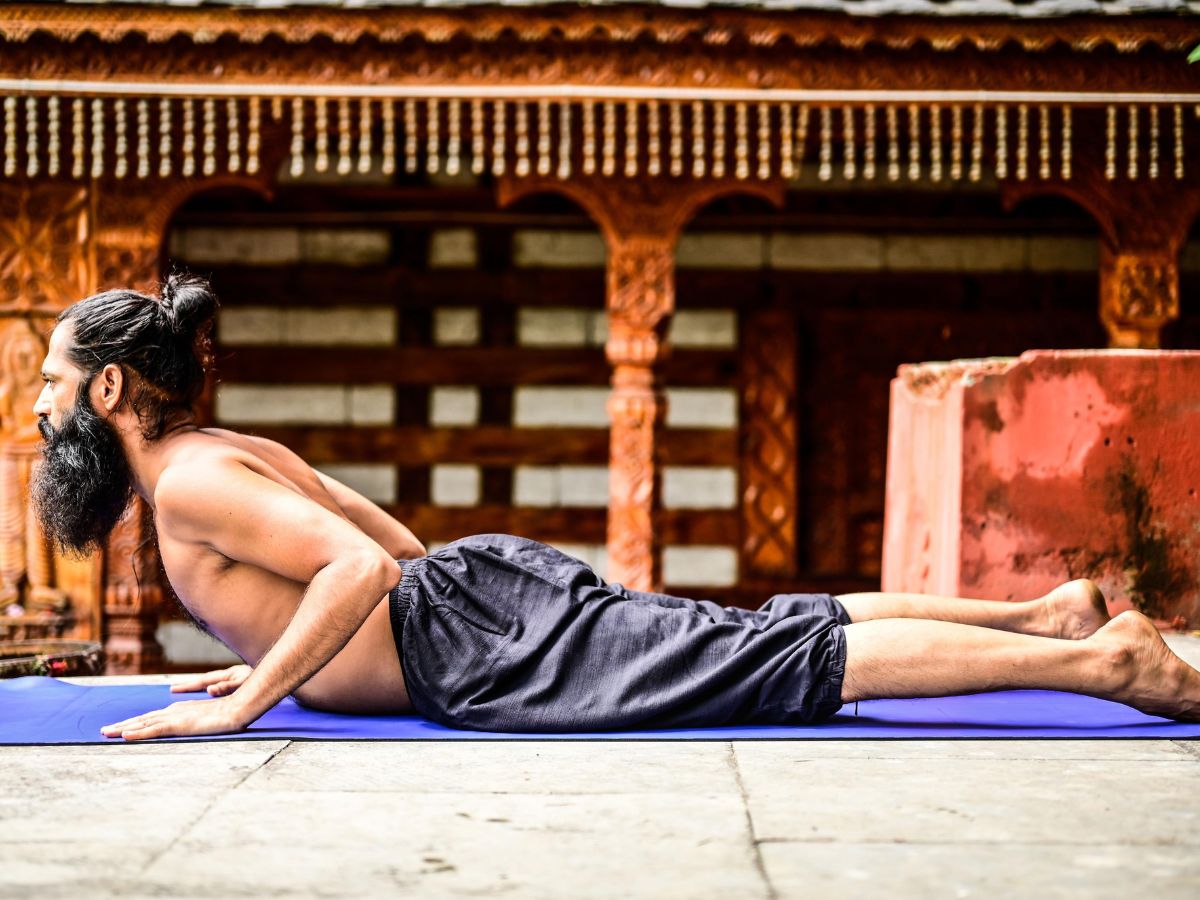
Bhujangasana (Cobra Pose)
The use of the screen tends to make the chest sink and the upper back forward-rounded. Cobra Pose gently opens the chest, strengthens the spine, and encourages deep breathing. As the heart space expands, it creates a feeling of openness and energy, reducing the fatigue caused by long sitting hours.
Marjariasana-Bitilasana (Cat-Cow Stretch)
This tendency of moving back and forth; rounding and arching, provides movement on the back. It eases the rigidity accrued during sitting and enhances blood circulation. The bouncing movement will also relax the mind as an alternative to never-ending digital stimulation.
Balasana (Child’s Pose)
Bodies that are growing require a rest in addition to movement. Child’s Pose allows the back, shoulders, and eyes to relax deeply. With the forehead resting on the mat, the nervous system settles, reducing the mental overload created by continuous screen exposure.
Setu Bandhasana (Bridge Pose)
This position also tightens the lower back and opens up the front of the body that tightens in the case of prolonged sitting positions. It is an activity that helps in maintaining the health of the spine and fortifies the body to the areas which are weakened by lack of activity.
Ardh Matsyendraasana (Sitting in a twist)
Spinning exercises will invigorate the spine and will animate the internal organs. This pose helps release tension stored in the back and waist while improving flexibility. It also promotes deep breathing that is usually shallow when on the screen.
ALSO READ: Can Your Grocery List Fight Dementia? THIS Specific Diet May Help, Research Says




