
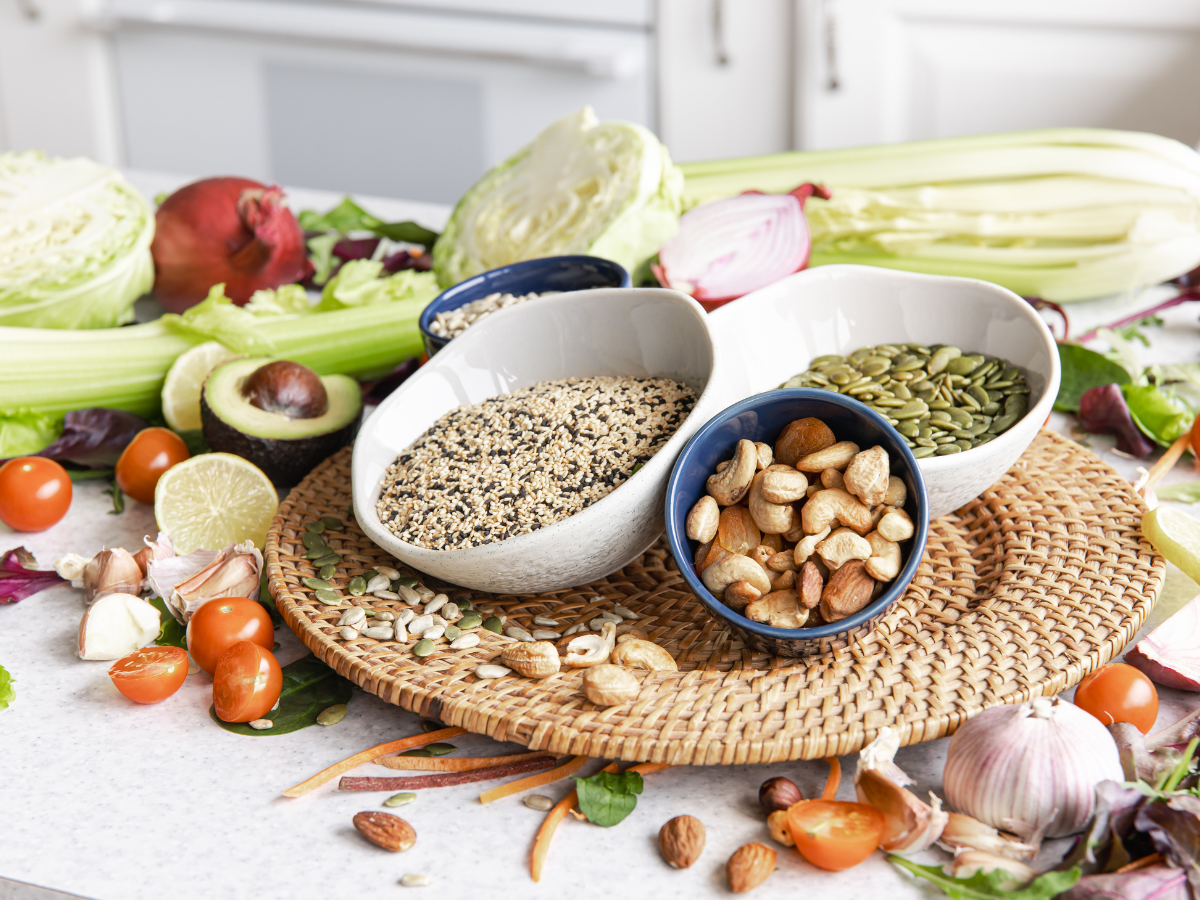

Winter has a funny way of slowing us down. The mornings feel cozier and getting out of bed seems to be something that no one really enjoys. And worse, by the afternoon, the energy levels dip even more. While we often blame the weather, it quietly demands nutrients. Iron is one such nutrient that the body absolutely cannot do without. It plays a critical role in maintaining energy, immunity, and warmth in the body. And when iron levels dip, the body feels fatigue, weakness, cold hands and feet, infections, and even mood swings.
But the good news is that our kitchens are filled with some of the best iron-rich foods. Winter is the perfect season for warming, iron-packed foods that we have kept stored and have been a part of our traditional diets for generations. Let’s explore some of the best ones and know how they work for us.
Why Iron Is Especially Important in Winter
In winter, physical activity usually decreases, digestion slows, immunity becomes more vulnerable, and the body needs more warmth and energy. Iron-rich foods help combat all of the above, and when paired with warming spices and vitamin-C-rich ingredients, they become gold.
1. Jaggery
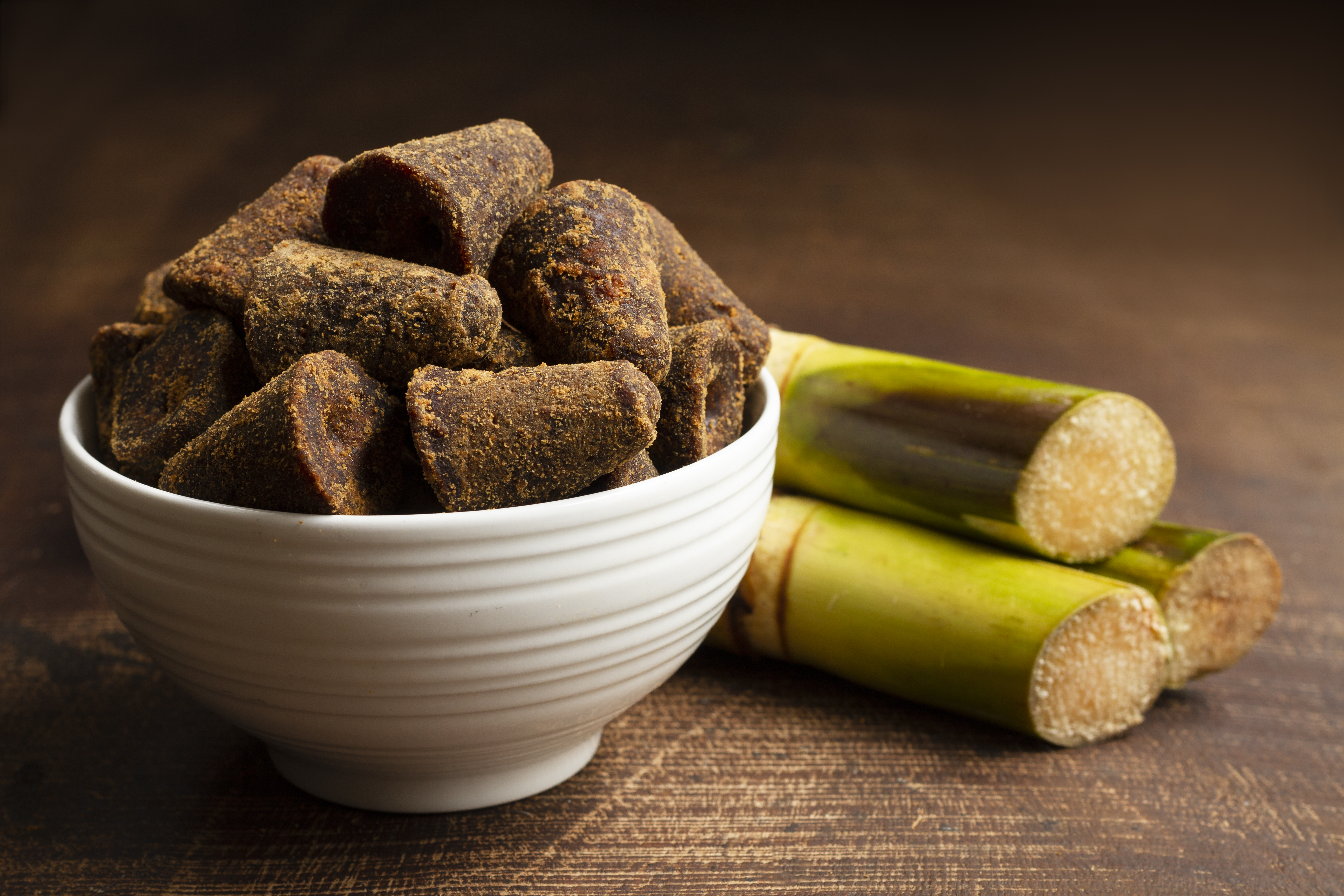
Jaggery isn’t just an alternative to sugar, but also a winter staple for a reason. Unlike refined sugar, jaggery contains iron, potassium, magnesium, and trace minerals that help keep the body warm and energised. A small piece of jaggery after meals aids digestion, prevents constipation that is common in winter, and helps maintain iron levels. It is particularly beneficial for women, children, or anyone who is feeling low on energy.
You can easily include it in the following ways: eat a small piece after lunch, add to peanuts or roasted chana, or use it in homemade laddoos or chikkis.
2. Spinach and Other Winter Greens
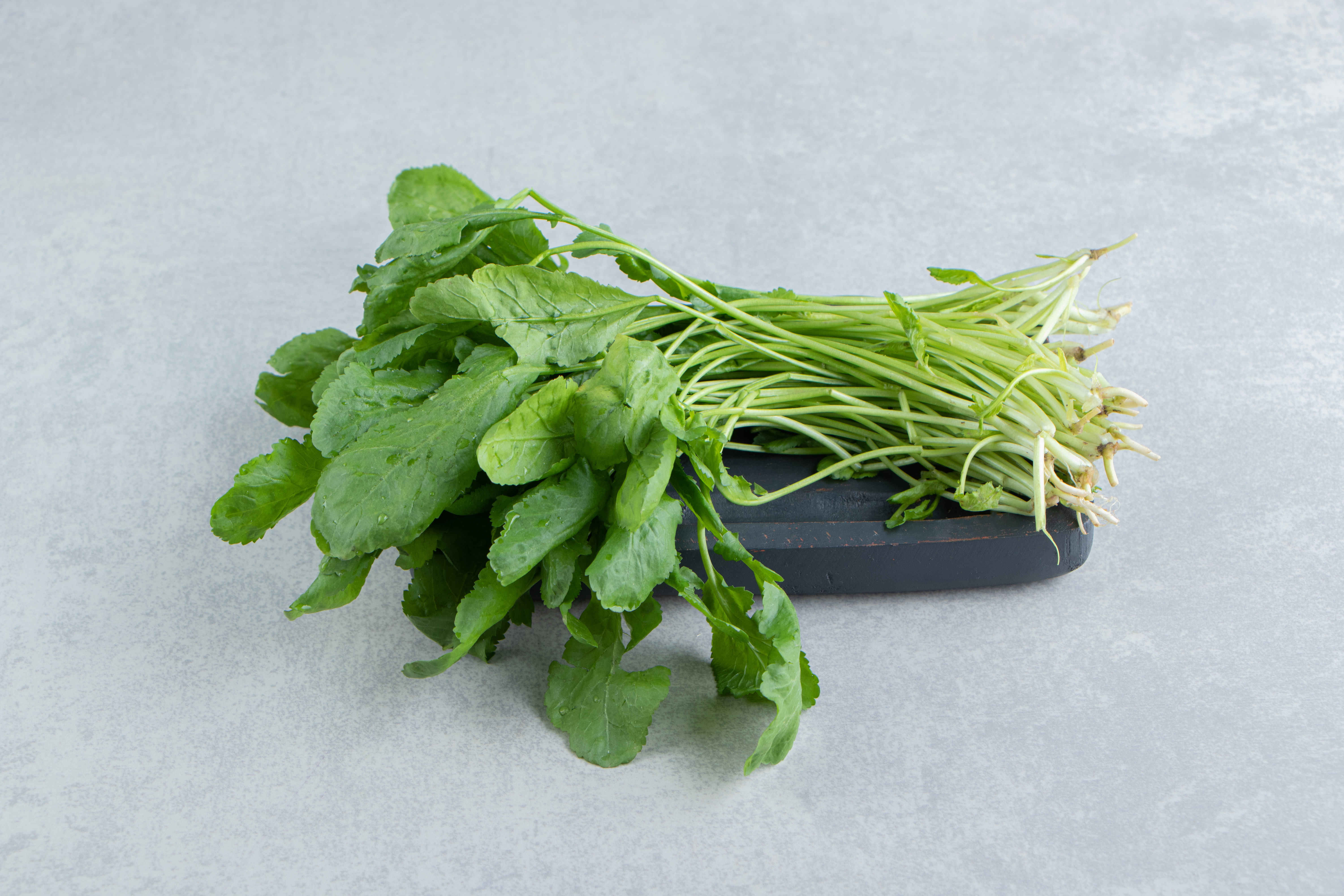
You’ll find leafy greens like spinach, fenugreek (methi), mustard greens (sarso), bathua, and cahulai in abundance during winter. And, if you’re anything smart, you’d know what nature is trying to convey! These greens are rich in non-heme iron, fibre, and antioxidants, which are super beneficial for the body. Sarson ka saag, palak dal, and methi paratha are not just comfort foods; they are iron boosters disguised as tradition. The warmth of these dishes supports digestion and immunity during colder months.
You can easily include it in the following ways: Always pair greens with vitamin C sources like lemon, tomatoes, or amla to improve iron absorption.
3. Dates
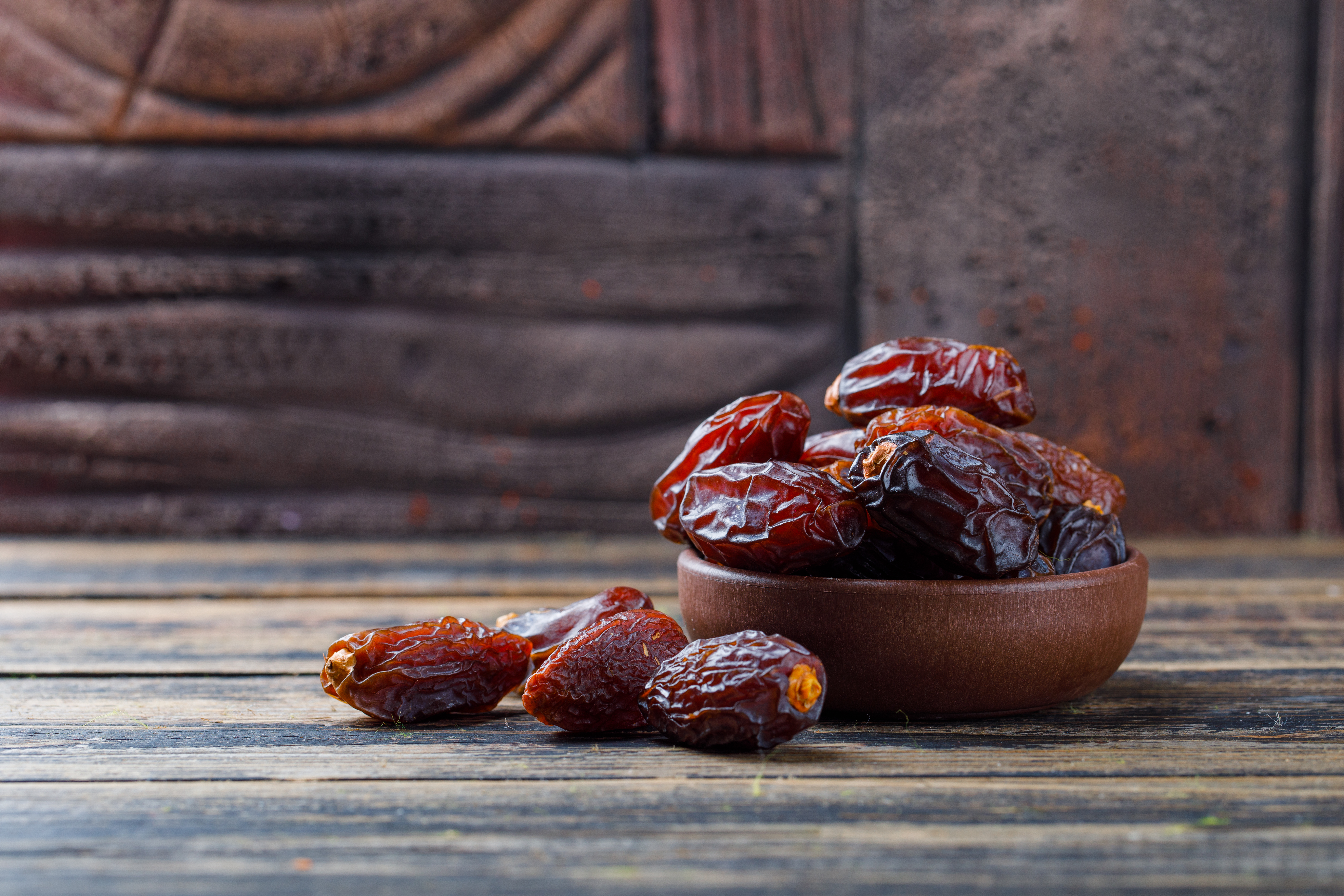
No, we are not talking about romantic dates here. Those will not increase the iron in your body. We are talking about dates that make it to the dry fruits’ list, and are full of iron. They provide quick energy and warmth, which are perfect for winter mornings. Soaked dates, especially, are beneficial for digestion and iron absorption. Many Indian households traditionally give children dates with milk in winter, and science backs this wisdom.
You can easily include it in the following ways: Soak 2-3 dates at night and blend them in a smoothie, or add them to your curd.
4. Sesame Seeds
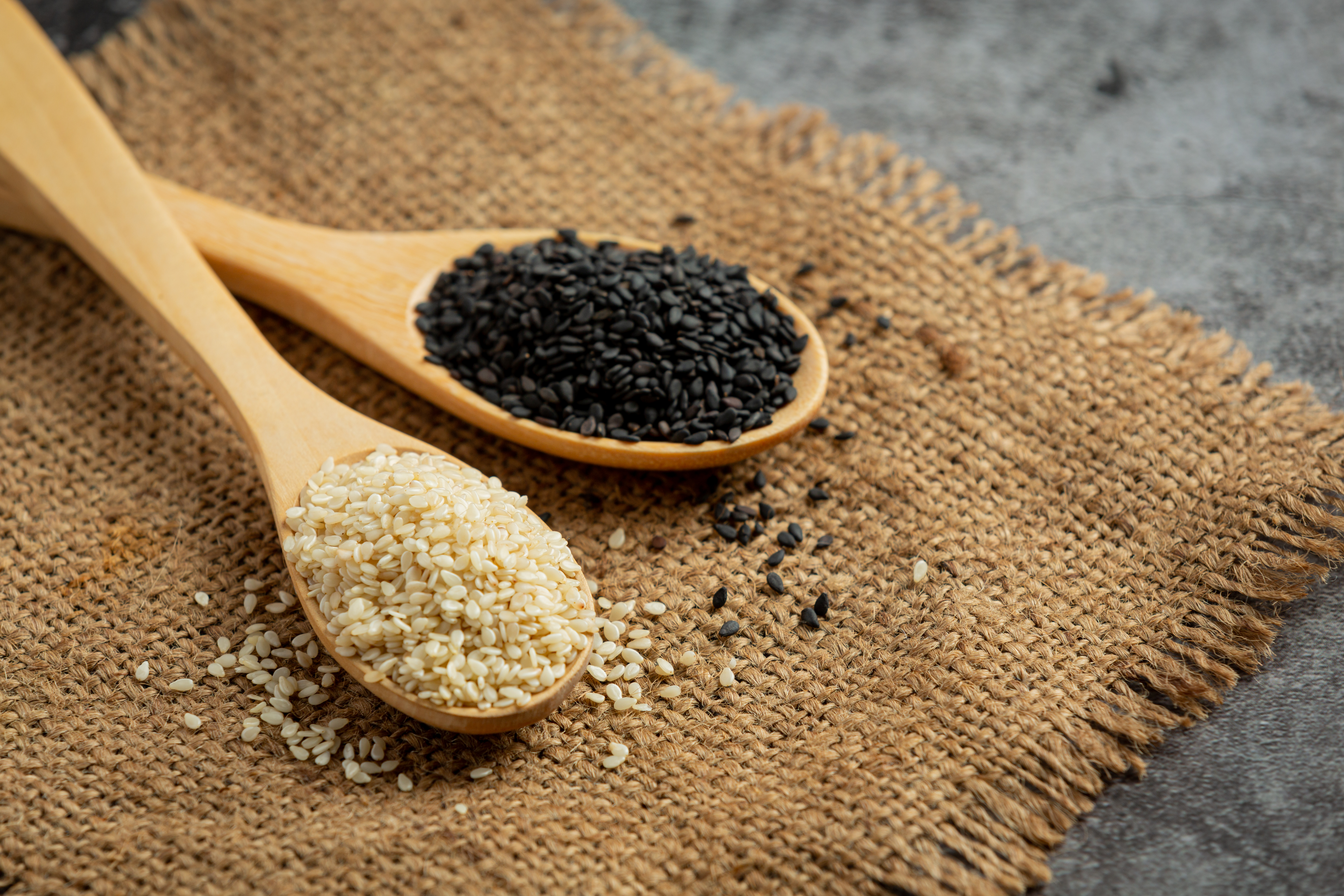
I saw Shilpa Shetty chewing on seeds on a set where she was shooting, and after knowing its benefits, it made so much sense. One such seed is sesame, which is among the richest plant sources of iron. They are also loaded with healthy fats and maintain body heat during winter. Til laddoos, til chutney, and til mixed into vegetables are classic winter preparations for a reason: they nourish, strengthen bones, and prevent seasonal fatigue.
You can easily include it in the following ways: roasted sesame seeds with jaggery, til laddoos, sesame paste or chutney.
5. Beetroot
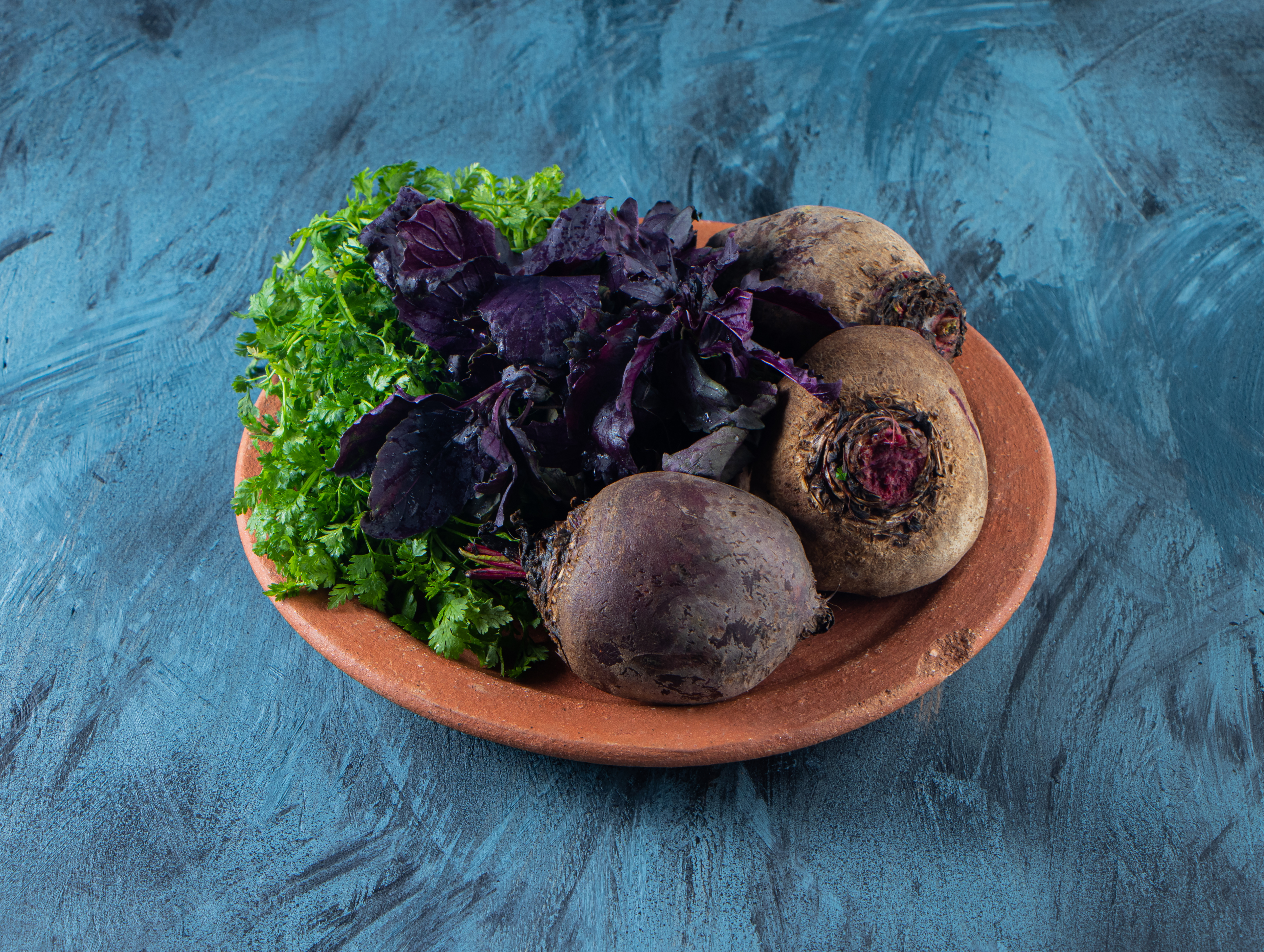
Our mothers have been running behind us all our childhoods to make us eat beetroot, and all we have been doing is avoiding them. But not anymore. Beetroot is known for improving blood health and stamina. And along with being rich in iron, it also supports haemoglobin production and improves circulation, making it a great winter vegetable. Its natural sweetness makes it easy to include in salads, curries, and juices.
You can easily include it in the following ways: beetroot subzi, beetroot parathas, and warm beetroot soup.
6. Pomegranate
We all know that it helps in increasing the blood cells in our bodies, but it also contains iron. And, not just containing iron, it also helps the body to absorb it better. It is also rich in vitamin C and antioxidants, and supports immunity during winter while improving blood health.
You can easily include it in the following ways: fresh pomegranate juice or seeds added to meals can make a noticeable difference in energy levels.
How to Improve Iron Absorption Naturally
Now you should understand that consuming iron-rich food alone isn’t enough. You’d also want your body to absorb it. There are easy ways by which you can increase the calibre of these foods for faster absorption: add lemon, amla or tomatoes to meals, avoid tea and coffee consumption immediately after meals, cook in iron utensils, and pair iron foods with warming spices like cumin, ginger, and black pepper.
Winter is not the season to restrict food; it is the season to nourish wisely. Indian diets, when followed mindfully, already contain everything the body needs to stay warm, energetic, and resilient. By including iron-rich winter superfoods like jaggery, leafy greens, sesame seeds, lentils, and dry fruits, you are not just preventing deficiency, you are also supporting immunity, stamina, and overall wellbeing.
Sometimes, the best superfoods aren’t new trends or supplements, they are the familiar ingredients already sitting in your kitchen. So what are you waiting for?
Disclaimer: The information provided on this platform is for general informational and educational purposes only and is not a substitute for professional medical advice, diagnosis, or treatment. Always consult a qualified healthcare professional, dermatologist, or nutritionist regarding any health, fitness, or beauty concerns. Individual results may vary.




