

The long awaited dream of India’s first bullet train is gradually moving closer to reality. Railway Minister Ashwini Vaishnaw during a recent announcement emphasized that the Mumbai-Ahmedabad high speed rail corridor will not be restricted to elite travelers alone but will also be affordable for the middle class making world class travel accessible to ordinary citizens.
Spanning a distance of 508KM, the Mumbai-Ahmedabad bullet train corridor is set to be developed in three distinct phases. The initial phase is scheduled to begin in 2027 covering the stretch between Bilimora and Surat in Gujarat. By 2029 the entire corridor is expected to become fully operational offering high speed rail connectivity between Mumbai and Ahmedabad. Once functional the bullet train will cut travel time between the two cities to just 2hrs 7mins transforming long distance travel across western India.
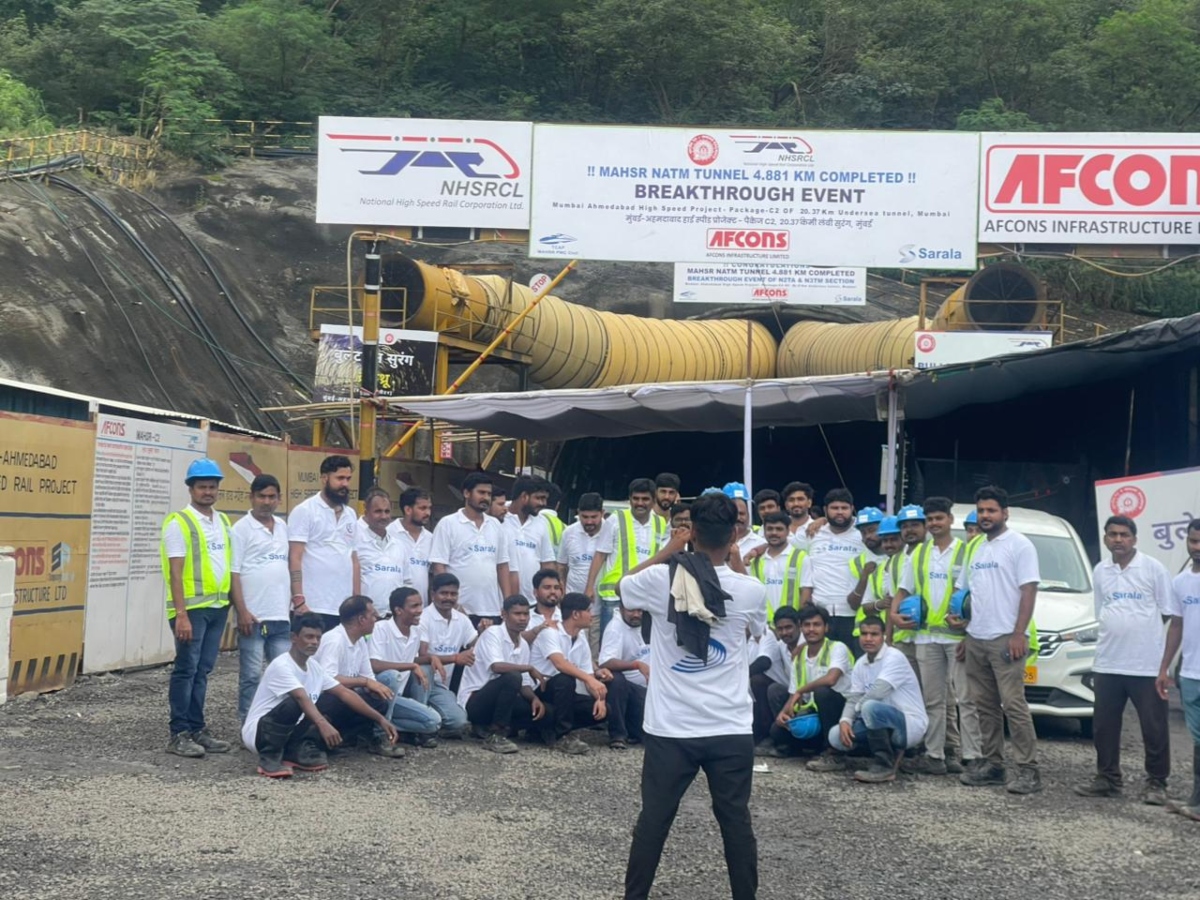
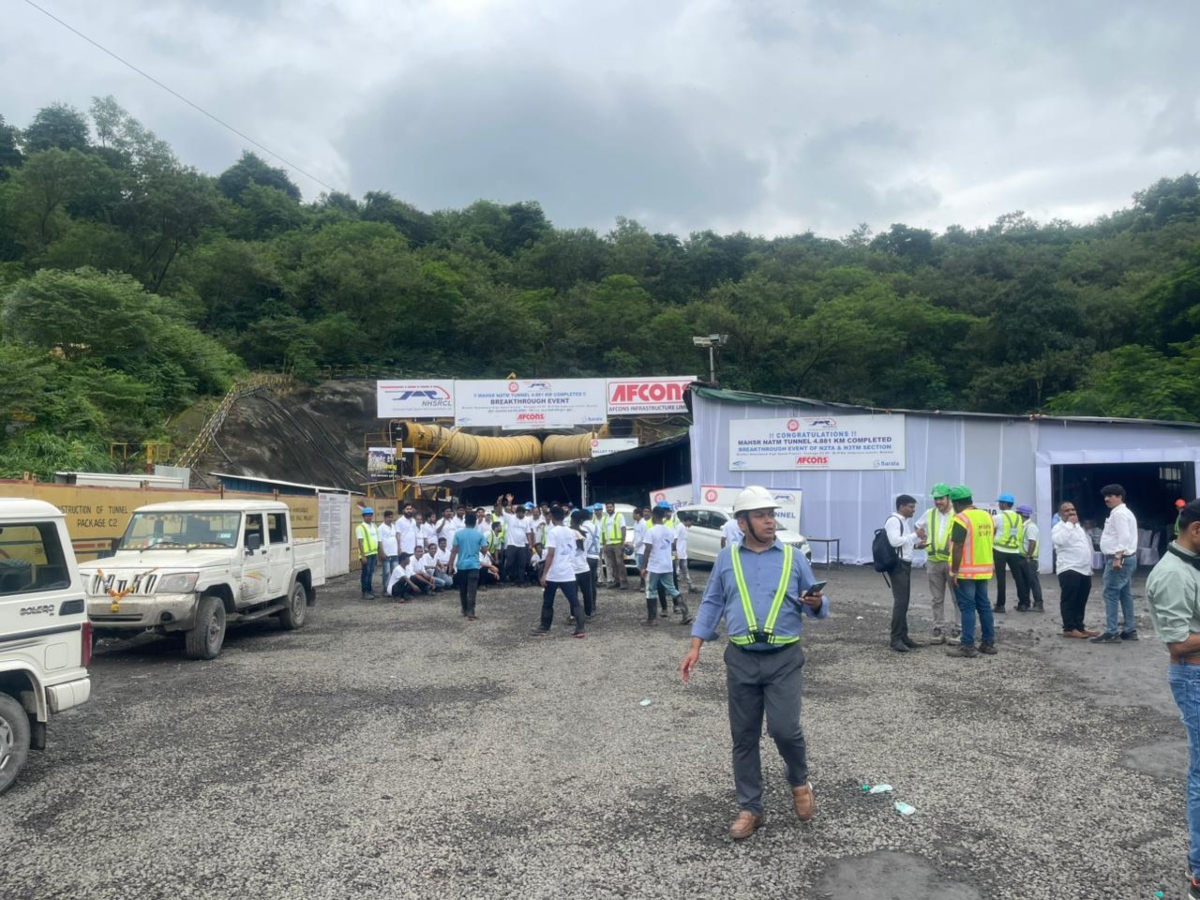
A significant construction milestone has already been achieved. Nearly a 5 KM long tunnel between Shilphata and Ghansoli has been completed marking a major step forward in the project. The bullet train coaches will be modeled on Japan’s Shinkansen series known worldwide for their speed, safety and comfort. To ensure smooth operations, Indian loco pilots are undergoing advanced training in Japan preparing them to manage high speed trains efficiently once the service begins.
Minister Vaishnaw further emphasized that ticket fares will be designed to suit the middle class guaranteeing that the advantages of this state of the art transportation system are accessible to a broader segment of society. This strategy aims to make the bullet train a practical choice not just for business passengers but also for students, families and regular commuters looking for fast and convenient travel between cities.
The corridor is expected to bring economic benefits to major cities along its route including Thane, Vapi, Surat and Vadodara. Improved connectivity is likely to boost trade, tourism and employment opportunities contributing to overall regional development.
Based on the minister’s inspection and statements the bullet train project is progressing steadily and remains on schedule. If the planned timelines are followed the initial section between Bilimora and Surat is expected to be operational by 2027 and by 2029 India will see the inauguration of its first complete high-speed rail corridor. This landmark project promises to introduce a new era of rapid, comfortable and cost effective rail travel, positioning India prominently on the global stage of modern transportation.
Shivam Verma is a journalist with over three years of experience in digital newsrooms. He currently works at NewsX, having previously worked for Firstpost and DNA India. A postgraduate diploma holder in Integrated Journalism from the Asian College of Journalism, Chennai, Shivam focuses on international affairs, diplomacy, defence, and politics. Beyond the newsroom, he is passionate about football—both playing and watching—and enjoys travelling to explore new places and cuisines.




