
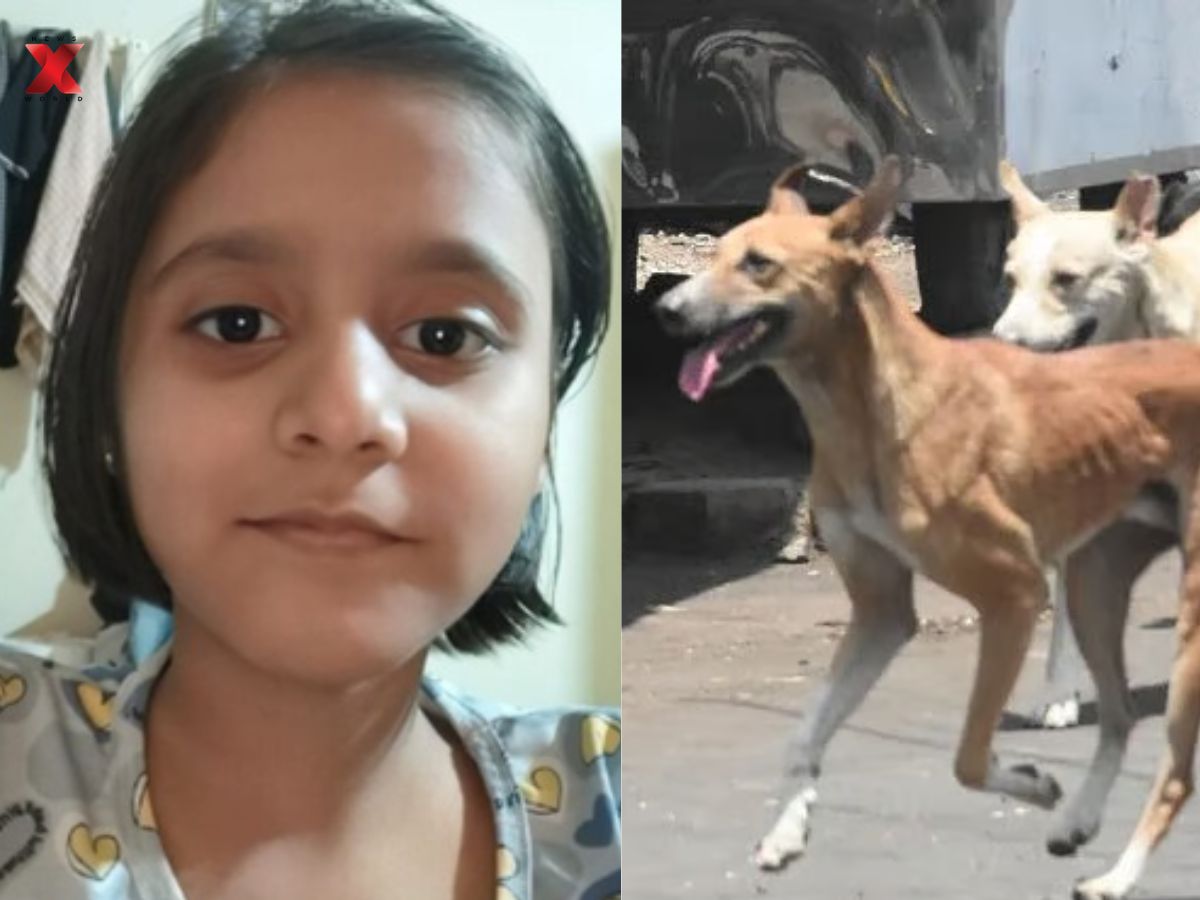

The community of Nalasopara West is currently experiencing grief because nine-year-old Kashish Sahani passed away after he contracted a rabies infection, which he acquired on Monday morning.
The tragedy serves as a grim reminder of the virus’s long incubation period; the initial injury, which Kashish received when a stray dog scratched him, occurred six months before his grandfather took him on their walk.
The child developed extreme fear of needles, which prevented him from completing his vaccination process after medical assistance was required to treat his wound, which seemed to be healing. The patient died at Mumbai’s Kasturba Hospital after her disease reached its final stage, which manifested through severe symptoms that included hydrophobia and ocular redness.
Rabies Incubation and Latent Viral Progression
The actual medical situation of rabies demonstrates that the virus maintains its inactive state in human beings for several months before it starts to damage their central nervous system. The case shows that six months after the initial scratch the first symptoms appeared because the viral infection progressed when post-exposure prophylaxis treatment was not fully completed.
The virus reaches a 100% fatal outcome after it moves from the peripheral nerves into the brain. Research shows that even small scratches or licks from unvaccinated animals that contact broken skin present a significant threat, which requires patients to receive the entire vaccine series without exception because their medical condition needs urgent attention, regardless of their visible injuries or the elapsed time since the incident.
Stray Dog Menace and Public Health Response
The community now focuses its attention on two issues that have emerged after the tragic event they experienced. The local authorities, together with health personnel, must now operate under urgent conditions that require them to conduct medical checks on individuals who were near the deceased person.
The Municipal Corporation faces strong demands to establish stricter procedures for managing stray animals so they can avoid future deaths.
Public health experts stress that community safety depends on a dual approach that includes aggressive animal vaccination drives and increased public understanding about the “window of opportunity” for human treatment following animal interactions.
A recent media graduate, Bhumi Vashisht is currently making a significant contribution as a committed content writer. She brings new ideas to the media sector and is an expert at creating strategic content and captivating tales, having working in the field from past four months.




