
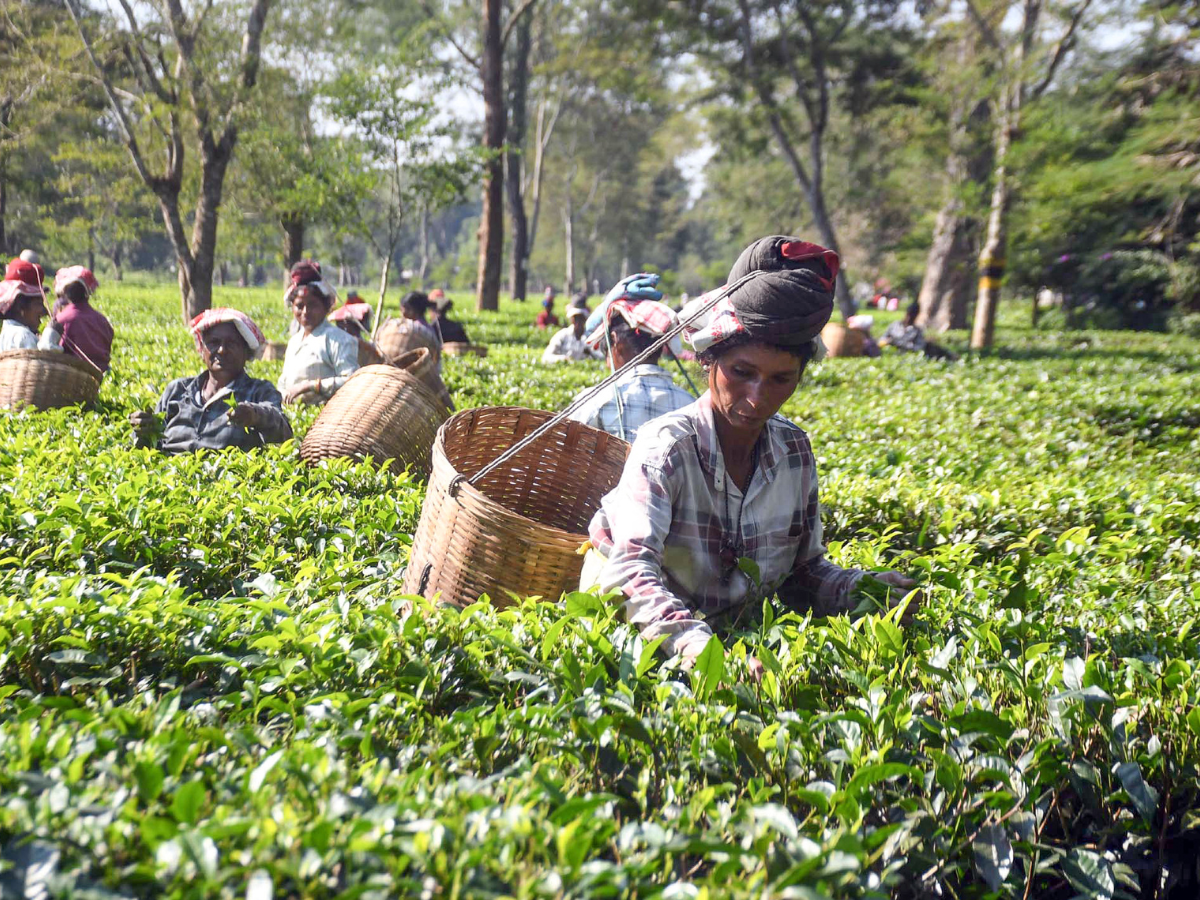

The Food Safety and Standards Authority of India (FSSAI) has issued a stern warning to food business operators (FBOs) over the widespread misuse of the word “tea” on products that do not qualify as true tea under Indian food regulations. The food regulator issued a directive on December 24, saying that the market has been flooded with products labelled as “herbal tea”, “rooibos tea” and “flower tea” when they are not derived from the Camellia sinensis plant, which is the root source of legal tea beverages.
The regulator said that beverages such as Kangra tea, green tea and instant tea, which are obtained from Camellia sinensis can be legally called as tea in India. The regulator stressed that standards incorporated in the Food Safety and Standards Regulations must be followed, as products that do not mislead the consumers. FSSAI said that “such plant-based or herbal infusions or blends, which are not derived from Camellia sinensis, do not qualify to be named as tea.”
Strict action for misleading consumers
The regulator also noted that using the term constitutes misleading and misbranding under the Food Safety and Standards Act, 2006. The letter stated that, “Food Business Operators, including e-commerce engaged in manufacturing, packing, marketing, import or sale of such products, are directed to comply with the provisions of the Food Safety and Standards Regulation and refrain from using the term ‘Tea’ for any products not derived from Camellia sinensis
FSSAI highlighted the requirements of the Food Safety and Standards (Labelling and Display) Regulations, 2020, which require that “Every package shall carry the name of the food, which indicates the true nature of the food contained in the package, on the Front of Pack.”
The regulator warned that, “In case of non-compliance, necessary action shall be initiated as per the provisions of the Food Safety and Standards Act, 2006, and the rules/regulations made thereunder.”
The move is aimed to reduce confusion and improve transparency regarding the contents of the products, especially the wellness and herbal beverages for consumers.




