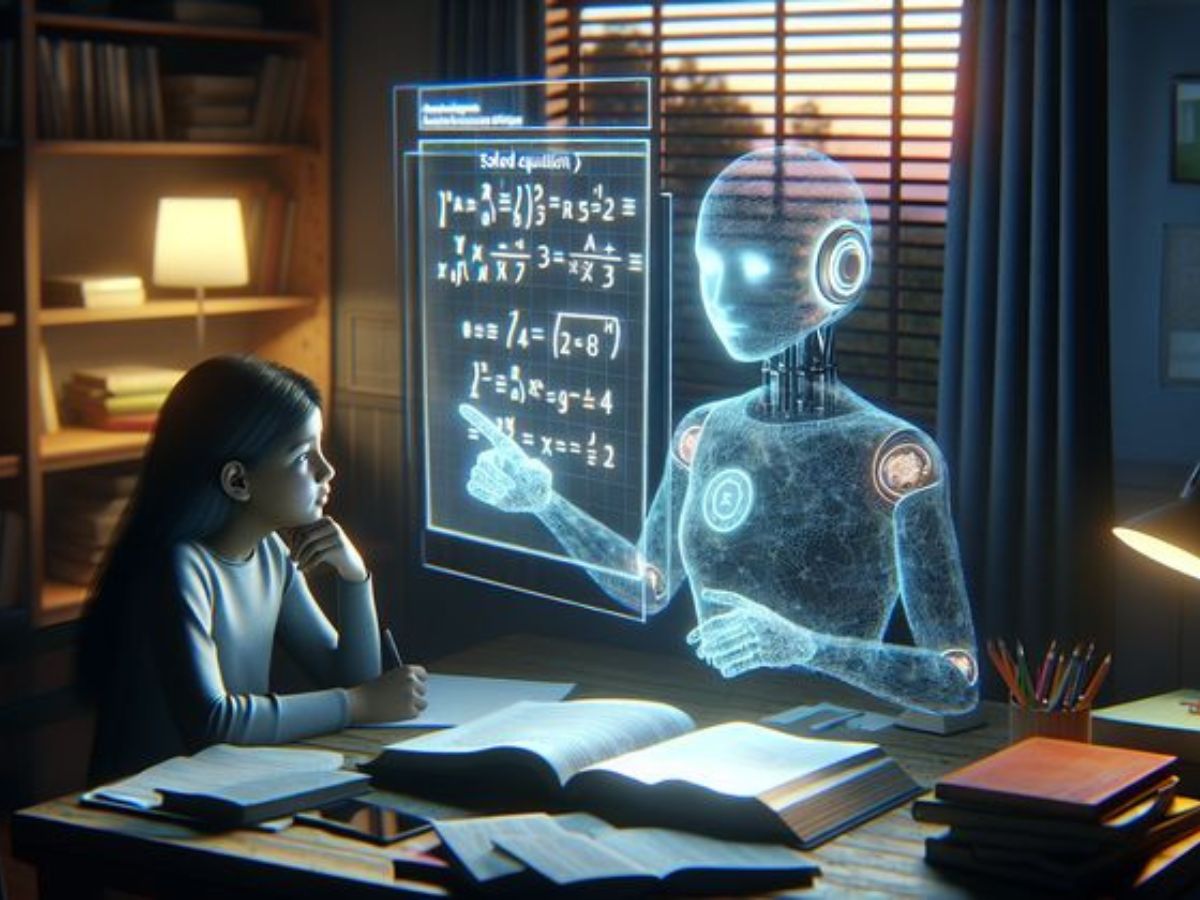

In classrooms today, AI tools have become both a blessing and a challenge. Many students now use these digital assistants as quick fixes to homework or even exam questions. But is this growing dependence quietly rining their mental power of learning and critical thinking?
The reality is complicated. On one hand, AI offers instant support when someone hits a roadblock or faces a tricky problem. It can be a comforting lifeline in moments of frustration. But that very convenience can become a trap. Leaning too heavily on AI risks skipping the hard, sometimes frustrating mental effort that real learning demands
The Hidden Risks of Overusing AI in Exams
Exams are meant to test what a student really understands how well they can think on their feet, apply concepts, and solve problems with their brain has been tought. When AI steps in with ready made answers, it plays with the purpose. This isn’t just about cheating, it’s about the long term effects on a student’s ability to learn independently which often caused issues with pen and paper exam when there is no AI around and even drafting a simple paragraph gets tricky.
Pressure also plays a big role. With high expectations and mounting stress, AI offers an escape hatch a fast answer that soothes anxiety. But this shortcut doesn’t build confidence or resilience. Genuine mastery comes from struggle and persistence, not from easy outs.
AI is the death of education and academia.
My grade 9 son says more than half of his peers use AI to write their assignments, then run them through “humanizer” apps to make it undetectable.
These kids have 90%+ grades on essays and projects and then barely pass exams.… pic.twitter.com/Fu8FJo7MdZ
— Michael Thomlinson (@miket136) June 7, 2025
The lack of critical thinking skills, the inability to sit down and focus on writing something as simple as a 5 paragraph essay, the fact that teenagers can’t spell or use proper grammar anymore. People who use AI to get through their education do not deserve the same degree that…
— cornbread Bitch (@wobblymami) June 10, 2025
Balancing AI Use: Guiding Responsible Learning
Parents and schools now face the tricky task of guiding students to use AI wisely as a tool, not as a substitute for effort when it comes to learning. Because AI isn’t going anywhere but the potential a student might have will face some kind of brain fog if AI is used as an answer to all their question and not as a helping tool to guide them. Just because something is easy doesn’t mean it’s right. Real growth comes from knowing when to work hard and when to work smart and understanding the difference between the two.
A June 2025 study titled “Your Brain on ChatGPT: Accumulation of Cognitive Debt when Using an AI Assistant for Essay Writing Task” was conducted by researchers at the MIT Media Lab, including Nataliya Kos’myna and Pattie Maes. The study tracked brain activity of 54 participants writing essays with and without AI tools. It found that those who used ChatGPT showed significantly lower cognitive engagement, retained less of what they wrote, and felt less connected to their work. Even after discontinuing AI use, the mental sluggishness persisted. The researchers concluded that frequent reliance on AI can weaken independent thinking and lead to lasting cognitive slowdown.
Also Read: Why Are Sexual Crimes Unbelievable for Family Members? A Hard Truth About Trust and Fear
Reha Vohra is an entertainment and lifestyle journalist passionate about telling stories that celebrate culture, trends, and everyday life. She love diving into celebrity news, fashion, viral moments, and unique human experiences that resonate with readers. The goal is to create content that’s engaging, inspiring, and relatable, bringing fresh perspectives with a blend of curiosity and creativity.