
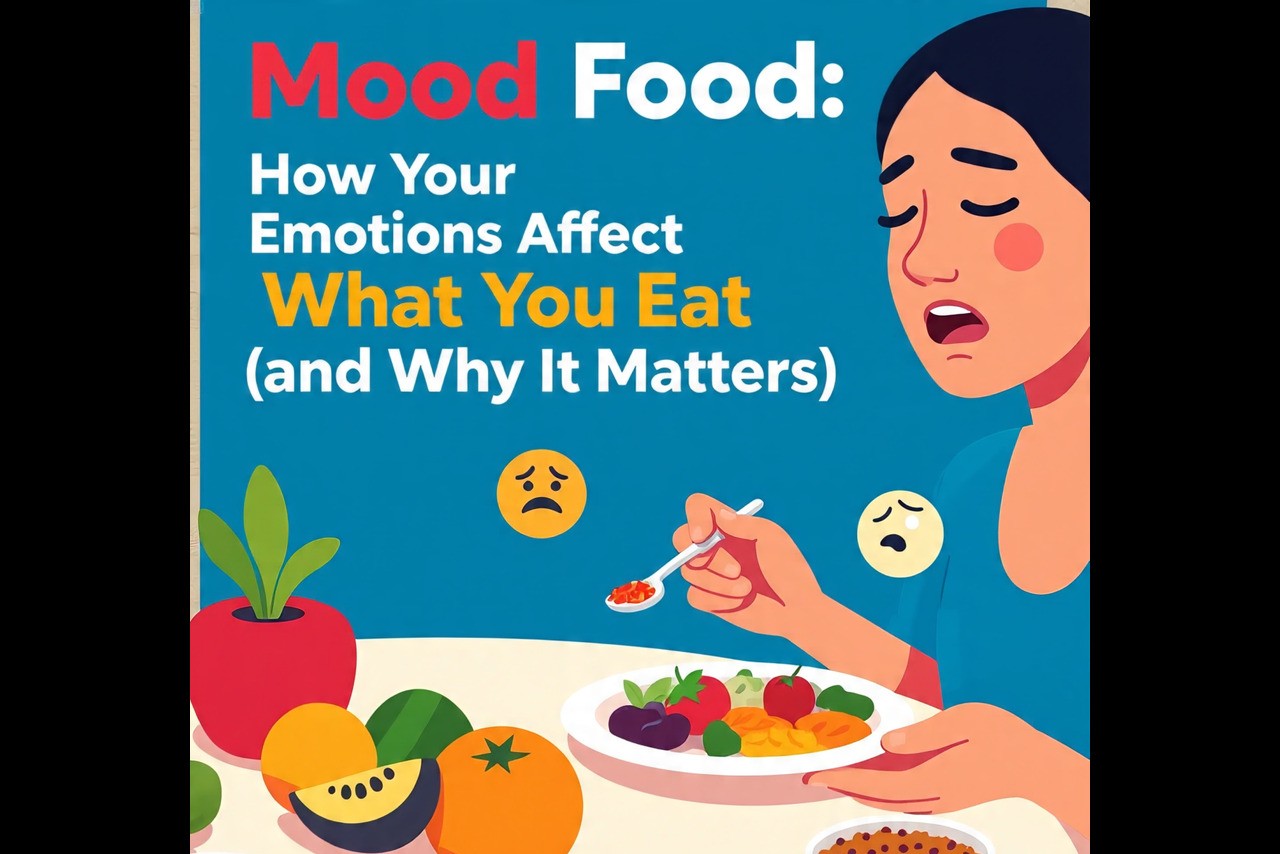

Mood food refers to the strong connection between emotions and eating habits—what individuals feel can directly influence what, when, and how much they eat. This intricate relationship matters for both mental and physical health, shaping not only dietary choices but also long-term well-being.
How Emotions Shape Eating Habits
Emotions, whether positive or negative, have a powerful impact on eating behavior. Many people turn to food to cope with stress, sadness, or anxiety—a phenomenon known as emotional eating. Negative moods often lead to cravings for high-fat, high-sugar “comfort” foods, offering short-term relief but potentially causing long-term negative health consequences. Positive emotions, on the other hand, can encourage more mindful eating and healthy food choices, though some may indulge as a celebration.
The Science Behind Mood and Food
The link between mood and food is complex and bidirectional: emotions influence dietary choices, and what’s eaten can in turn affect emotional well-being. Foods rich in nutrients such as omega-3 fatty acids, tryptophan, and complex carbohydrates can boost neurotransmitter activity in the brain, supporting mood regulation and cognitive function. For instance, carbohydrates can help produce serotonin, a neurotransmitter associated with happiness and calmness.
Why Mood Food Matters for Health
What individuals eat during emotional highs and lows doesn’t just affect energy levels—it also impacts mental health over time. Diets dominated by processed, sugary foods are linked to increased anxiety, depression, and mood swings, while nutrient-rich diets with plenty of fruits, vegetables, and whole grains support balanced emotions and better psychological resilience. Moreover, breaking the cycle of emotional eating by choosing balanced, nutritious foods can improve stress response and provide lasting benefits for both mind and body.
Tips for Healthier Emotional Eating
- Recognize emotional triggers and pause before eating.
- Opt for whole foods, like fruits, vegetables, and nuts, when stressed.
- Maintain regular meal patterns to avoid emotional bingeing.
- Stay hydrated and minimize processed, sugary foods for stable mood.
Understanding the mood-food connection can empower healthier choices, leading to greater well-being and emotional stability over time.
This content is for informational purposes only and not a substitute for professional medical or nutritional advice. Consult a healthcare provider for personalized guidance.
Vani Verma is a content writer with over 2 years of experience in lifestyle, entertainment, health and digital media. She has a knack for creating engaging and research-driven content that resonates with readers, blending creativity with clarity. Passionate about media trends, culture, and storytelling, she strives to craft content that informs, inspires, and connects.




