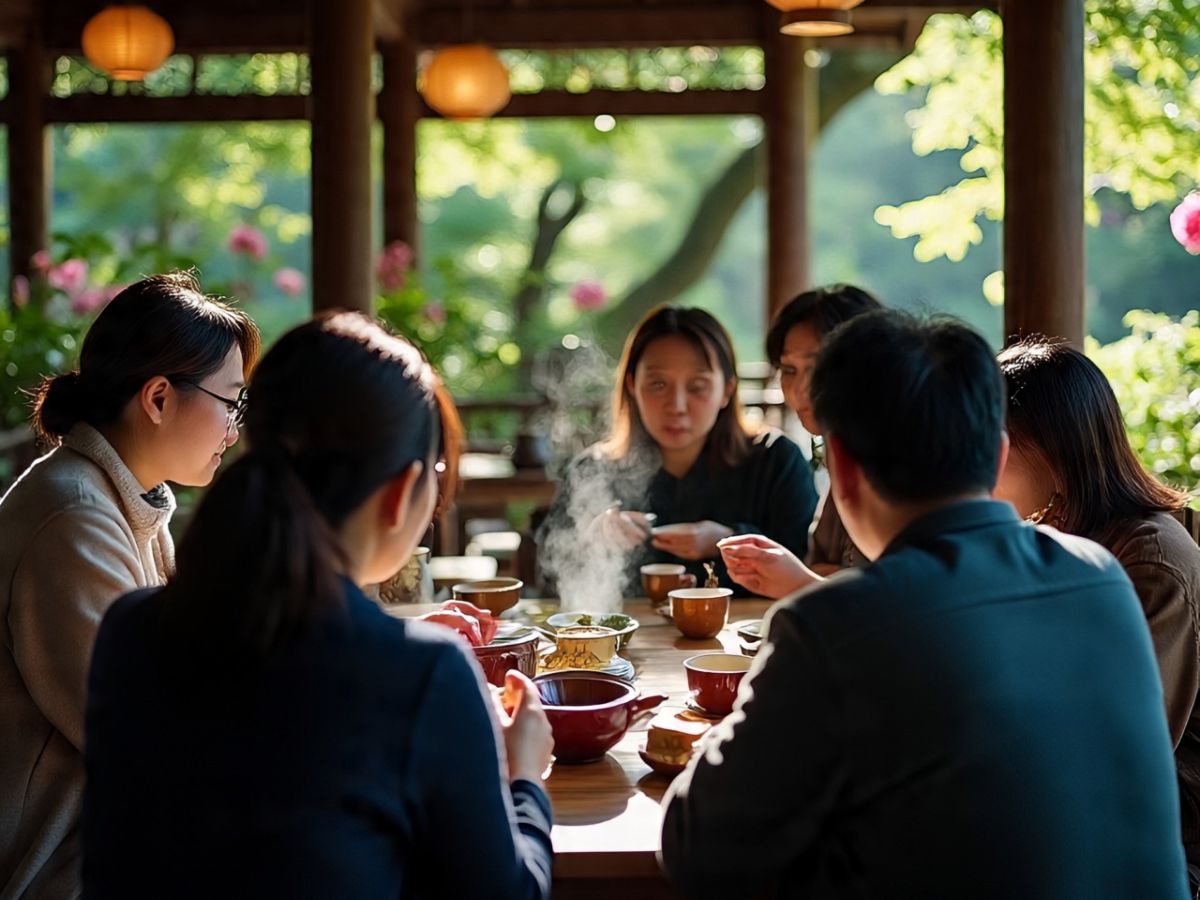

India’s tea shop culture remains an essential part of the nation’s social and cultural fabric, preserved across generations and urban trends. Despite the rise of modern tea lounges and chain cafes, humble roadside tea stalls—known as chai tapris, chaayakadas, or cha-er dokan—hold a unique place because they offer far more than just tea.
A Living Room for All
Tea shops have always been democratic hubs where people from diverse backgrounds gather for news, debates, and casual conversation. These spaces are often described as the “public living rooms” of India, where customers forge friendships, discuss politics, and bond over shared interests such as cricket or cinema. The simple bench, glass jars of snacks, and steamed cups of chai embody a welcoming, unpretentious environment.
Tradition, Ritual, and Community
Tea holds cultural importance, symbolizing hospitality, everyday ritual, and warmth. The tradition dates back to the colonial era but quickly became a daily fixture and a symbol of unity for the common person. Whether in Kerala or Kolkata, local tea shops foster community—a place where the day starts with someone reading the newspaper aloud or ends with lively “adda” (conversation). In some iconic tea shops, customers even volunteer to help run the stall, further strengthening bonds of trust and belonging.
Beyond Trendy Cafes: Why Culture Persists
Modern cafes offer curated menus and air-conditioned ambience, but they lack the human element and cultural nuance of the corner tea stall. These stalls are identified by the owner’s name and personal touch, fostering connection in an age of increasing urban isolation. Sharing tea from a kulhad (clay cup) is a nostalgic and eco-friendly experience, reinforcing ties to tradition and environmental stewardship.
An Enduring Legacy
India’s tea shops endure because they are sanctuaries of camaraderie and conversation—unpolished, familiar, and deeply human. They remain anchors of society, representing trust, ritual, and connection in everyday life, and are unlikely to fade even as India modernizes.
Cultural experiences vary regionally and individually; the significance of tea shops is best appreciated through personal visits and local insights.
Vani Verma is a content writer with over 2 years of experience in lifestyle, entertainment, health and digital media. She has a knack for creating engaging and research-driven content that resonates with readers, blending creativity with clarity. Passionate about media trends, culture, and storytelling, she strives to craft content that informs, inspires, and connects.