
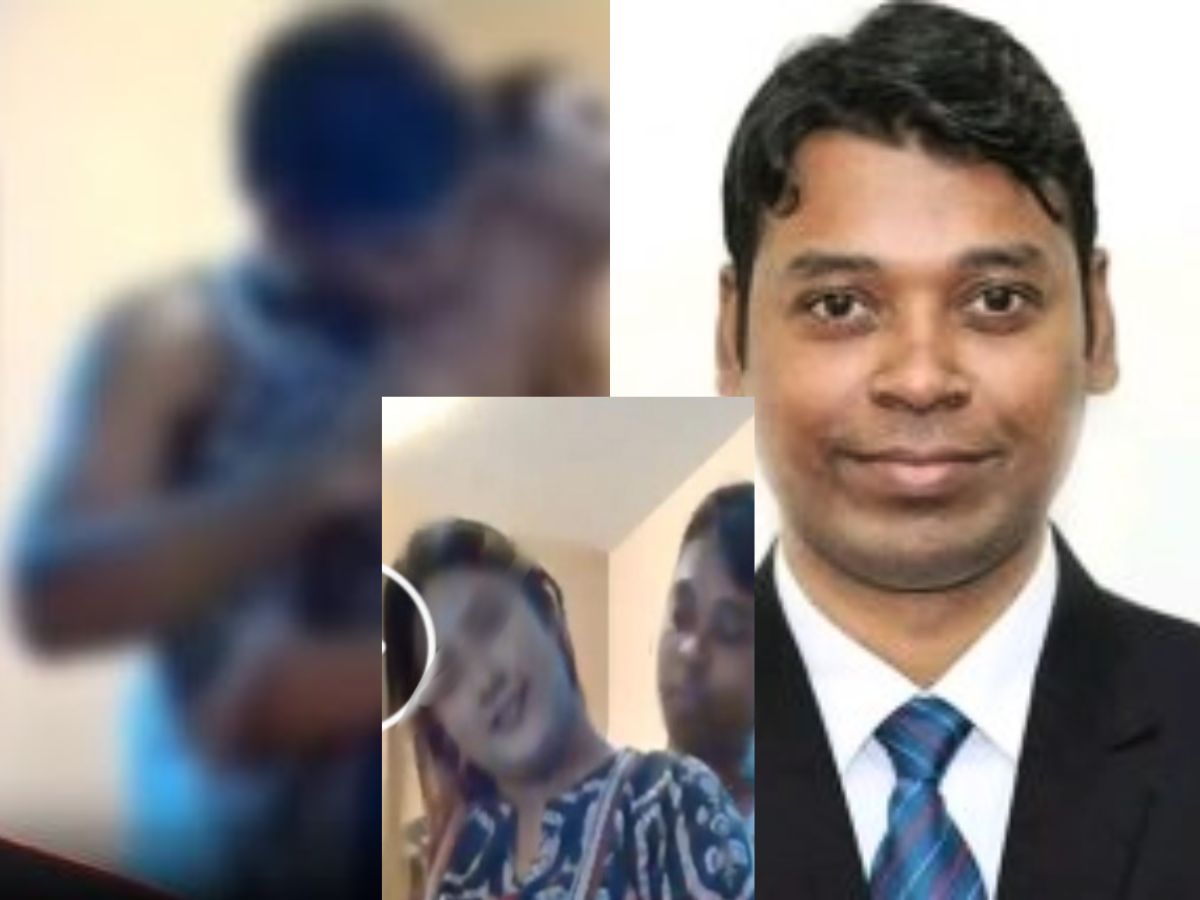

In a shocking turn of events in Bangladesh, Md Alauddin, the Upazila Nirbahi Officer (UNO) of Hatia, has been made an Officer on Special Duty (OSD) after a 29-second controversial video allegedly showing him with a young woman went viral on social media. The video, which surfaced on Monday, triggered nationwide outrage and sparked debates over privacy, cybercrime, and the rise of deepfake technology.
The short clip quickly gained traction online, with users sharing it widely and discussing its authenticity. While the video appears to show Alauddin in a compromising situation, its authenticity remains in question. Some local speculation suggests a possible “honey trap,” though no official confirmation has been provided.
Hatia UNO MMS Row: Bangladesh Officer’s Obscene 29-Second Leaked Video Goes Viral, But There’s a Shocking Twist- What Really Happened?
The Ministry of Public Administration promptly responded to the viral video by issuing an order making Alauddin an OSD, signed by a senior assistant secretary. Being assigned OSD effectively removes him from all active administrative duties, pending further investigation.
Hatia UNO MMS Row: Bangladesh Officer’s Obscene 29-Second Leaked Video Goes Viral, But There’s a Shocking Twist- What Really Happened?
Md Alauddin has strongly denied the video’s authenticity, claiming it was a deepfake created using AI to defame him. He alleged that the video was circulated with malicious intent linked to his previous posting area, raising questions about digital manipulation and the misuse of technology in personal attacks.
Following the leak, Alauddin reportedly left his workplace and became unreachable, with his phone switched off. Authorities have not yet confirmed a formal investigation, leaving the public and officials awaiting clarity on the next steps.
Hatia UNO MMS Row: Bangladesh Officer’s Obscene 29-Second Leaked Video Goes Viral, But There’s a Shocking Twist- What Really Happened?
Experts warn that deepfakes are AI-generated videos, images, or audio designed to manipulate real content, and they are increasingly being misused for scams and harassment. In India, deepfakes have been used for:
-
Political misinformation – Fake speeches or videos to sway public opinion
-
Financial fraud – Impersonating CEOs or officials to trick employees into transferring money
-
Social media hoaxes – Fake celebrity content or public figure videos
-
Cyber harassment – Blackmail, defamation, and false accusations
The Dangers of Deepfakes
Deepfakes are more than harmless digital tricks. They pose serious threats including:
-
Spreading misinformation, creating panic or influencing opinions
-
Identity theft and financial fraud, bypassing security with voice or video cloning
-
Cybersecurity breaches, fooling facial or voice recognition systems
-
Reputation damage, harming individuals and businesses
How to Protect Yourself
To stay safe from deepfake scams:
-
Verify Before Believing – Look for blurry edges, unnatural blinking, or robotic voices; cross-check with trusted sources.
-
Use Trusted Channels – Rely on official news sources; avoid forwarded social media messages demanding money or personal info.
-
Watch for Red Flags – Verify identity if urgent money or info is requested; confirm job offers or interviews via official contacts.
-
Report Suspicious Content – Use the National Cyber Crime Reporting Portal, call helpline 1930, or report on social media platforms.
Hatia UNO MMS Row: Bangladesh Officer’s Obscene 29-Second Leaked Video Goes Viral, But There’s a Shocking Twist- What Really Happened?
The Hatia UNO MMS row highlights the dangers of viral videos and deepfake technology in the digital age. While Md Alauddin’s video remains unverified, the controversy raises pressing questions about privacy, cybercrime, and the rapid spread of manipulated content on social media. Authorities and the public await a formal investigation to uncover what really happened.
Another recent incident in India: Ashok Kharat Viral MMS
The surge in online searches around high-profile cases has created a prime target for cybercriminals, who launch fake URLs mimicking legitimate sites. Users often struggle to distinguish genuine news from scams.
Experts advise ignoring sensational reports and relying only on official statements and trusted media sources. In the Ashok Kharat case, no verified downloads or videos exist, and most circulating links are unsafe clickbait. Staying aware and exercising caution is essential to avoid falling victim to such scams.
ALSO READ: Ashok Kharat Viral MMS: Trying To Download The Video? Here’s What You Should Know
Sofia Babu Chacko is a journalist with over five years of experience reporting on Indian politics, crime, human rights, gender issues, and stories about marginalized communities. She believes journalism plays a crucial role in amplifying unheard voices and bringing attention to issues that truly matter. Sofia has contributed articles to The New Indian Express, Youth Ki Awaaz, and Maktoob Media. She is also a recipient of the 2025 Laadli Media Awards for gender sensitivity. Beyond the newsroom, she is a music enthusiast who enjoys singing. Connect with Sofia on X: https://x.com/SBCism




