
From Romance To Revenge: 10 Saif Ali Khan Dialogues We Still Quote Today
Saif Ali Khan has provided some of the dialogues that can never be forgotten by the people, spoken with style, humor, and vigor. Cracking jokes in Cocktail to bold statements of loyalty and vengeance in the Race series, his lines have formed a part not only of movie-talk, but also of everyday talk. Including just fun, romantic, or ominously threatening, Saif uses certain language with a specific Nawabi touch, and his phraseology could be quoted even now by fans. The gallery takes a new look at 10 of his most-famous lines-lines that continue to reverberate in love notes, friendly banter, inspirational pep talks and even dramatic stand-offs.
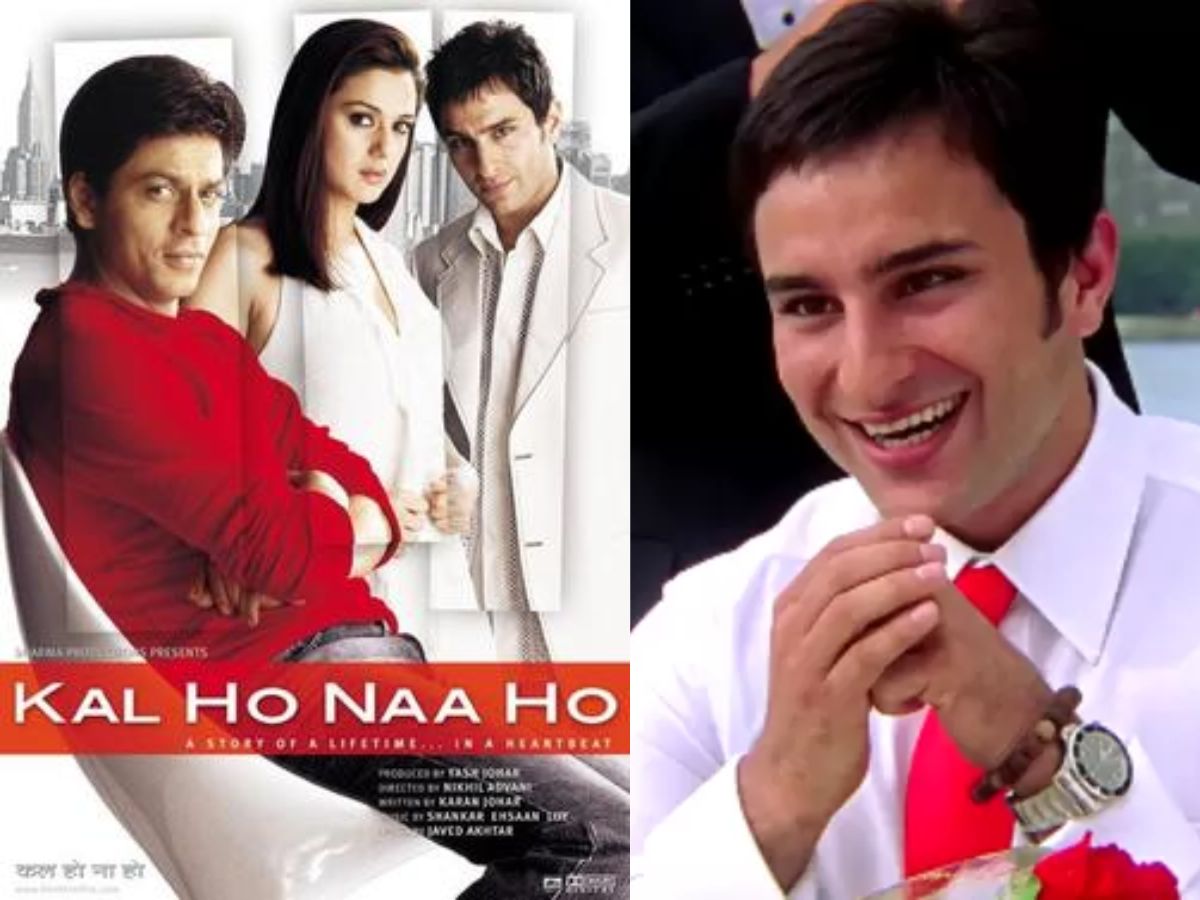
"Pyar ka pehla kadam dosti hai, aur aakhri bhi, bas beech ke kadam reh gaye hain." (Kal Ho Naa Ho)
This is presumably the most popular line by Saif. It is not merely a love discourse, it is a massive commentary on what love entails. His style of singing is very sad and romantic and that beautifully brings out the unspoken romance of his character, Rohit Patel. The phrase continues to be employed by individuals to define how a friendship can turn to a more deep relationship, or in fact to state the embittered reality within an individual about how the best kind of love is by virtue of foundation built on friendship.
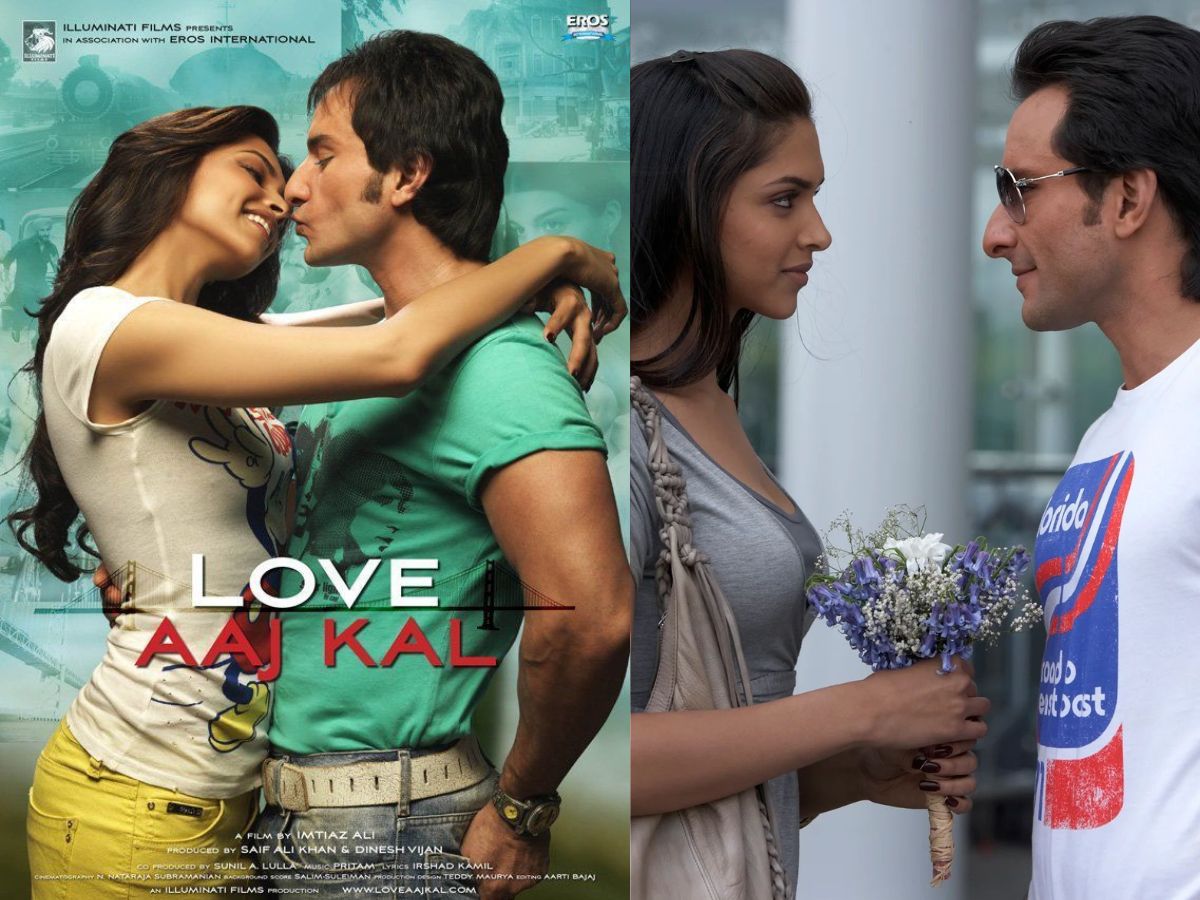
"Mard mein bahut dard paida kar deti hai tumhari smile." (Love Aaj Kal)
This is the best definition of flirting in contemporary times. It is just slightly saucy, slightly theatrical and just delightful. The delivery by Saif, complete with wry seriousness, turned it into a default praise as someone attempts to convey how the smile of another has an impact. It is one of these lines that people may utilize either as a joke or seriously, and this is why they are so popular.
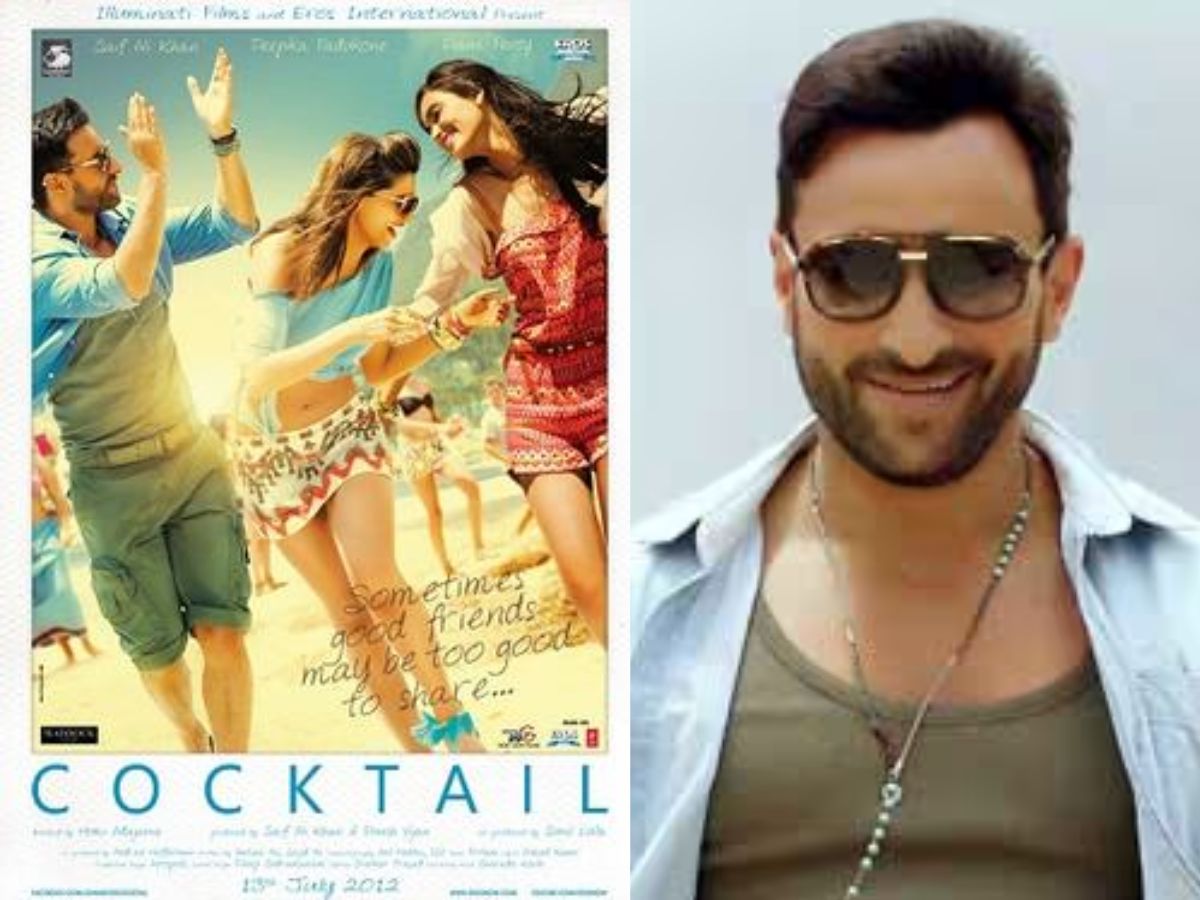
"Main dikhta hoon sweet, innocent, Swami type ka na..." (Cocktail)
This conversation was an immediate success as it was so self and self-referential. It also reflects the image of a charmer very much conscious of his masculine charms; hence, making it work to his advantage. Gautam, played by Saif, states this arrogantly yet with quite some real flair and it is such a line which people use casually to explain their own apparently innocent and yet bad nature.
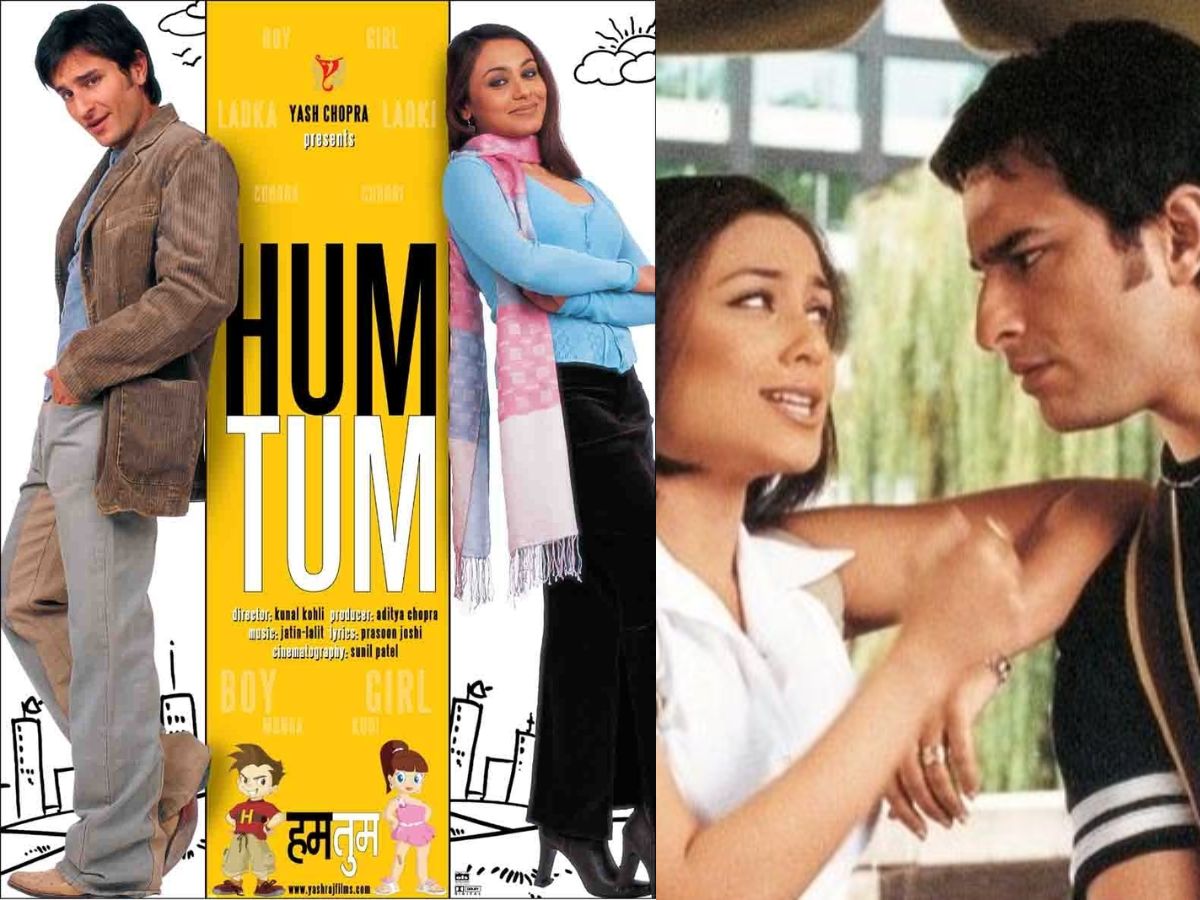
"Kyunki yeh zindagi bahut lambi hai, aur hamare paas waqt bahut kam hai." (Hum Tum)
The dialogue is a profound conversation on life and it is paradoxical. It conveys the thought that even though we live quite a long life, we often find that our time to do what is important to us is restricted. Saif as the pensive Karan Kapoor does bring out this line with quiet wisdom. It is a saying that many people tend to use in order to remind them and others that they must make use of every opportunity and not take life easily.
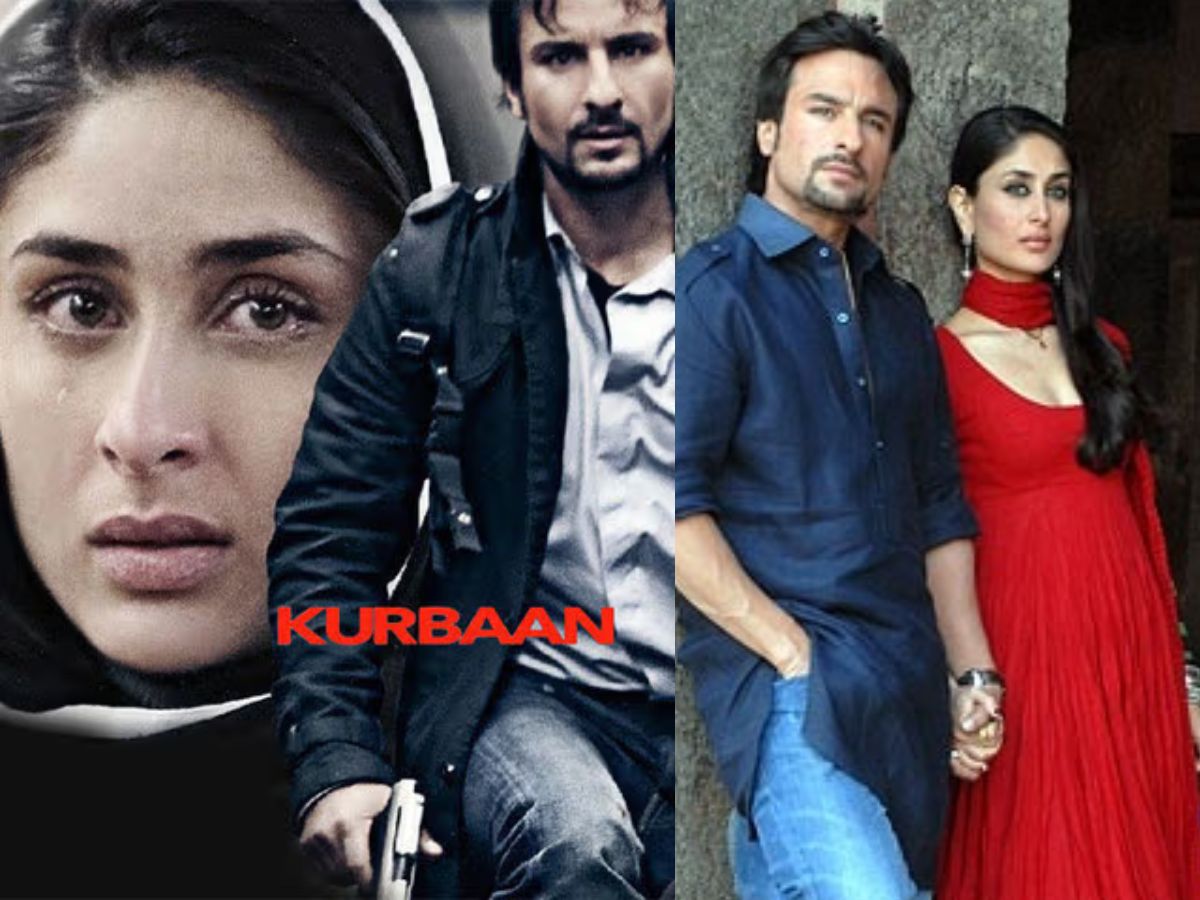
"Kabhi Kabhi humari marzi, Allah ki marzi nahi hoti." (Kurbaan)
This is a heavy hitting line out of a more serious film. It addresses the conflict between want and fulfillment of an individual against the course of an entire plan which may be tragic to fate or destiny. It is a testament to the fact that in the movie context it is an emotional awakening to his character, and when taken out of context, it is a strong medium of showing helplessness or resignation when faced with events beyond one can manage.
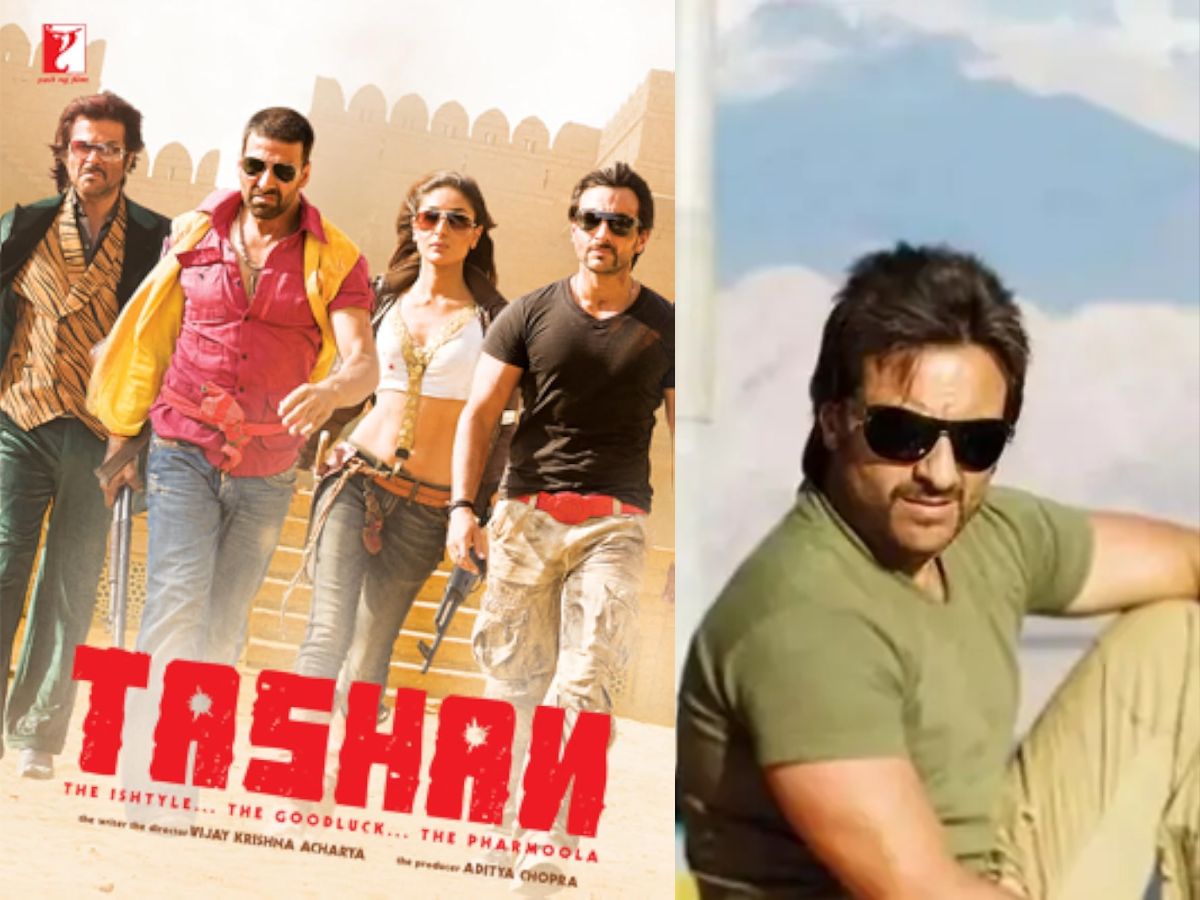
"Jo baat hamari samajh nahi aati usse hum bezzati samajhte hain." (Tashan)
The dialogue is a humorous, self conscious treatise on humanity. It is an insightful statement because when individuals do not understand something, they tend to perceive it as a personal offense. This line comes out cool and unbothered and in a nonchalant manner through the character of Saif Jimmy Cliff and it is one of those lines that people now use lightly to comment on the ego or ignorance of a person.
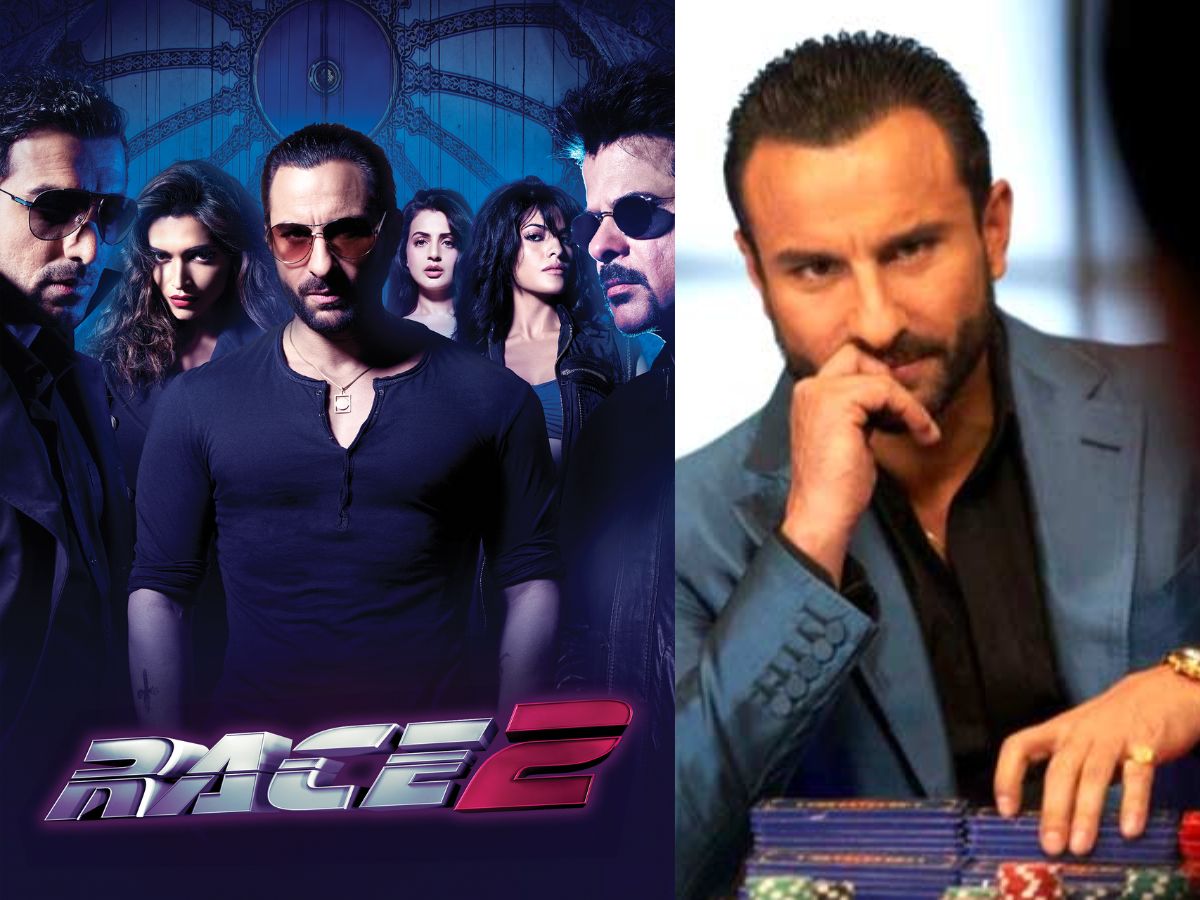
"Badla jitna purana hota hai, utna hi khatarnak hota hai." (Race 2)
This is when Saif made his most memorable action-thriller dialogues in the character of the scheming Ranvir Singh. It is a typical revenge cliche but the cold and calculating delivery on his part seeps some menace to his voice. It is a saying that explains why lusting revenge is a dramatic event and that it is easy to refer to any scenario that has been awaiting a long time payment.
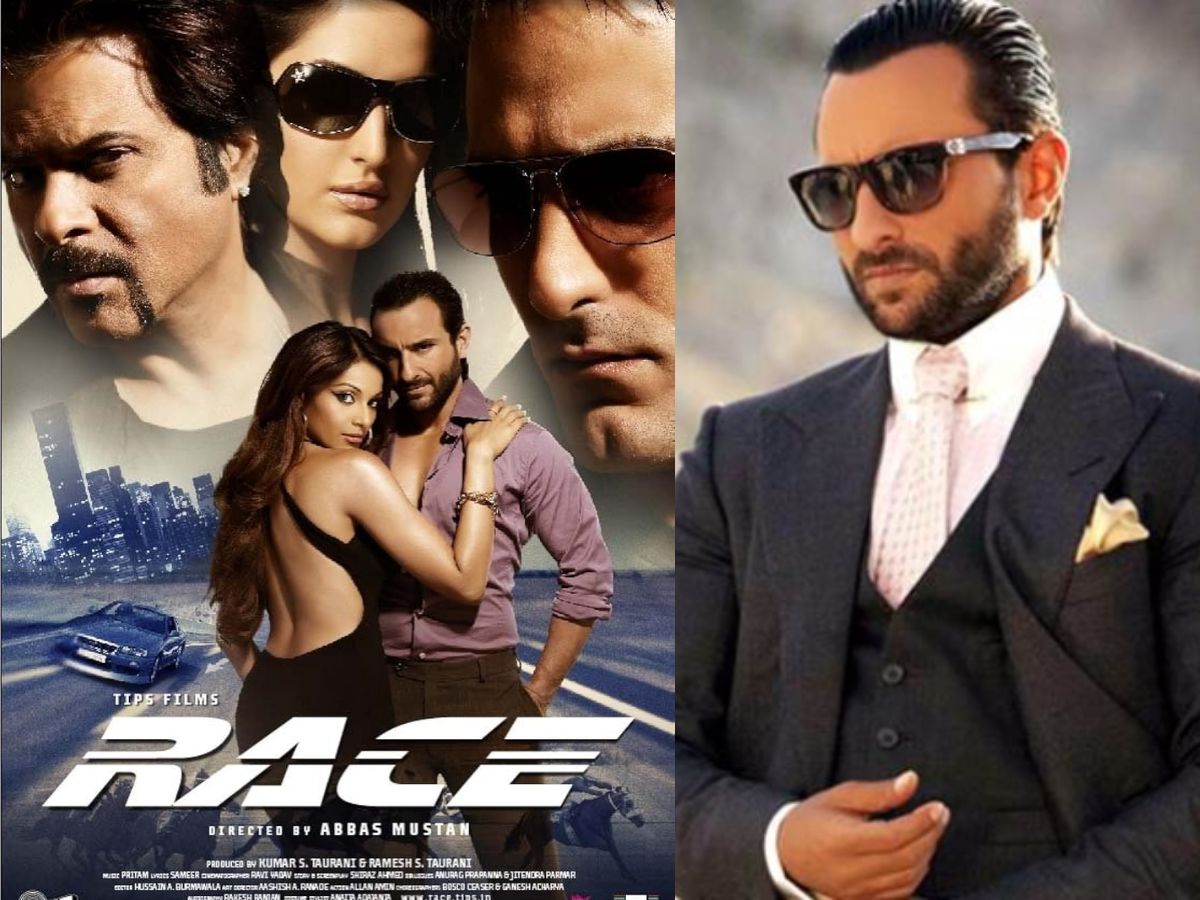
"Mujhe harakar koi meri jaan bhi le jaye, mujhe manzoor hai, lekin dhokha dene waale ko main dobara mauka nahi deta." (Race)
This scene defines the high set of morals that his character, Ranvir, has and his intolerance to disloyalty. It is an inspiring sentence concerning trust and the outcome. This is commonly used by people to prove that they are also determined to resist an abuser or to condemn that he/she is ruthless when he/she is cheated by his loved one.
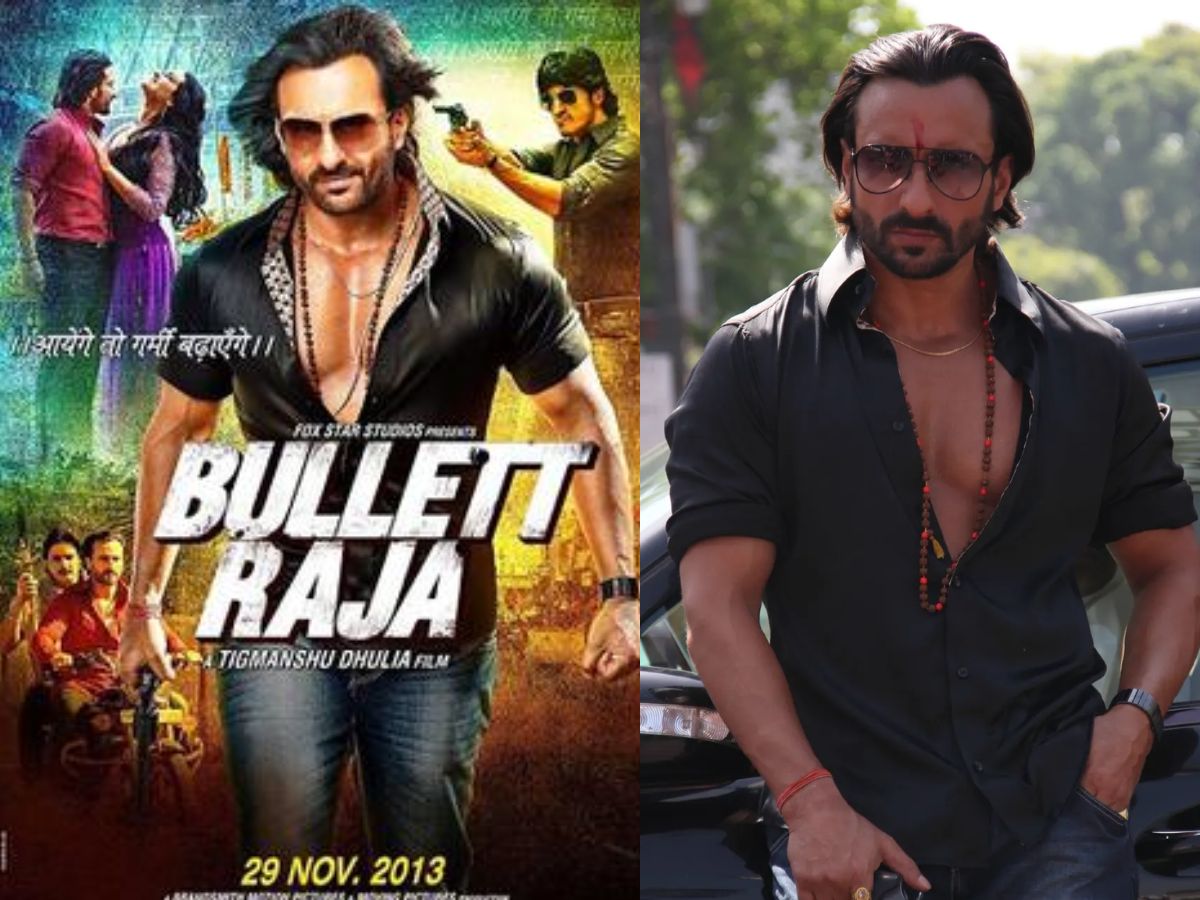
"Brahman bhookha toh Sudama, samjha toh Chanakya aur rootha toh Raavan." (Bullett Raja)
This is an opinion making dialogue among fans due to its power and cultural allusion. It is an involved, generated line but it also reflects the complication of his personality and the crudeness of his violent anger. This quote is used by people to define the daunting character of an individual when infuriated and though the quote came to be synonymous to a caveat that the person without roid temperament is the man (or woman) with a dark side under the surface of serenity when incensed.
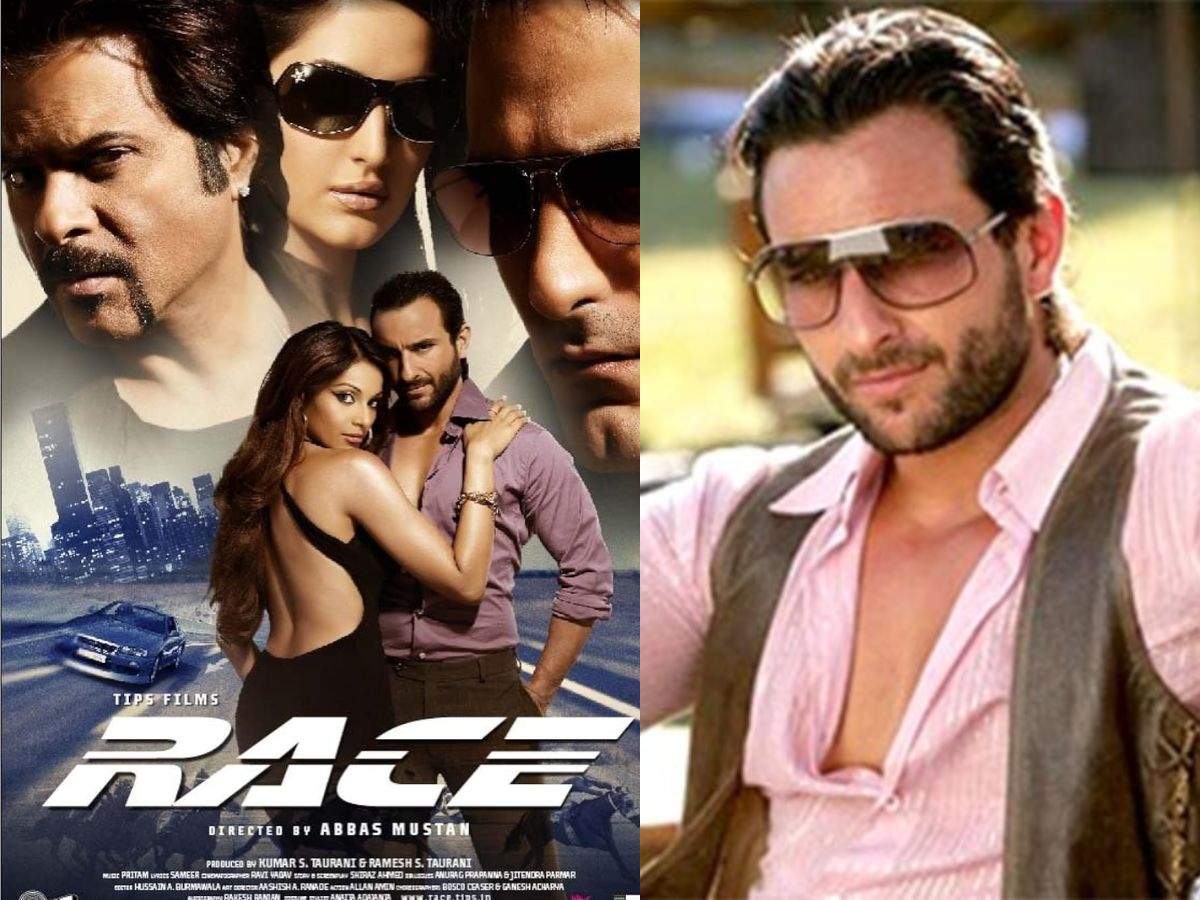
"Tum kabhi jeet nahin paye, kyunki tum hamesha mujhe haraane ki sochte the... aur main kabhi haara nahin, kyunki main hamesha jeetne ki soochta tha." (Race)
It is just a masterclass on a dialogue that not only expresses the winning mentality of a character but also of a philosophical truth about success. It is a literal interpretation of the opposition between reactive mindset (one that is attempting to win someone) and proactive one (winning oneself). This is a very inspirational quote and it is also common in making one aim at personal development as opposed to comparing the self with others and aiming at defeating them.




