
Durga Ashtami 2026 Puja Vidhi at Home: Aarti Rules, Timings, Rituals and Samagri List
Durga Ashtami 2026 is one of the most important days of Navratri, dedicated to Maa Durga and her powerful form. Devotees perform special puja at home, following proper vidhi, aarti rules and rituals to seek blessings. The day is considered highly auspicious for Kanya Pujan and offering bhog to the goddess. Here’s a complete guide to Durga Ashtami puja vidhi at home, including aarti, rituals, timings and essential items.

Durga Ashtami 2026 Date and Timings
Durga Ashtami 2026 will be observed on March 26, with Ashtami tithi starting on March 25 afternoon and ending late morning on March 26, making this period ideal for puja rituals.

Early Morning Puja Vidhi at Home
Devotees should wake up during Brahma Muhurat, take a bath, wear clean clothes, and set up a puja space with Maa Durga idol or image before beginning rituals with full devotion.

Durga Ashtami Kanya Pujan
Key rituals include offering flowers, lighting diya, chanting mantras, performing aarti, and conducting Kanya Pujan where young girls are worshipped as forms of Goddess Durga and offered food and gifts.

Durga Ashtami Aarti Rules and Puja Process
During puja, devotees light incense and diya, recite Durga mantras, and perform aarti in morning or evening, completing the ritual with bhog offerings like halwa, puri, and chana.
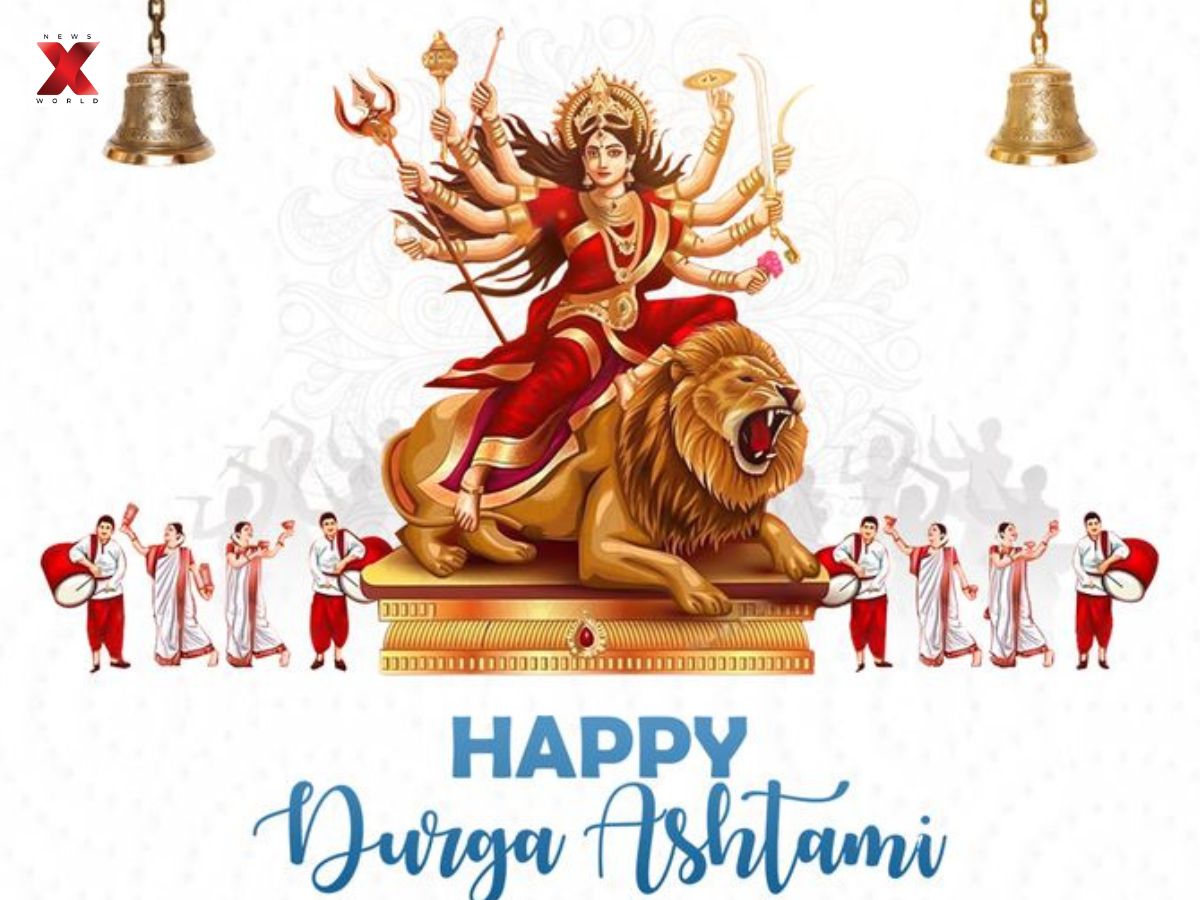
Puja Samagri List for Ashtami 2026
Essential items include flowers, kumkum, diya, incense sticks, fruits, sweets, coconut, kalash, red cloth, and prasad items, which are offered to Maa Durga during rituals for blessings and prosperity.

Disclaimer
This content is based on general religious beliefs, traditional practices, and publicly available information. Rituals, timings, and customs may vary depending on region, family traditions, and personal beliefs.




