

In a groundbreaking experiment that sounds straight out of a science thriller, scientists in Switzerland are deliberately triggering earthquakes deep within the Alps to understand what happens before the ground shakes. The research, led by the Fault Activation and Earthquake Rupture (FEAR) project, aims to uncover the immediate triggers of earthquakes and why some ruptures extend across long fault lines, causing major destruction.
“For decades, geoscientists have only been able to study earthquakes after they occur,” says Domenico Giardini, professor of seismology and geodynamics at ETH Zürich. “What are the signs that nature is telling us? They only become clear after the quake. We are trying to understand how to see them before it happens.”
Why the Alps?
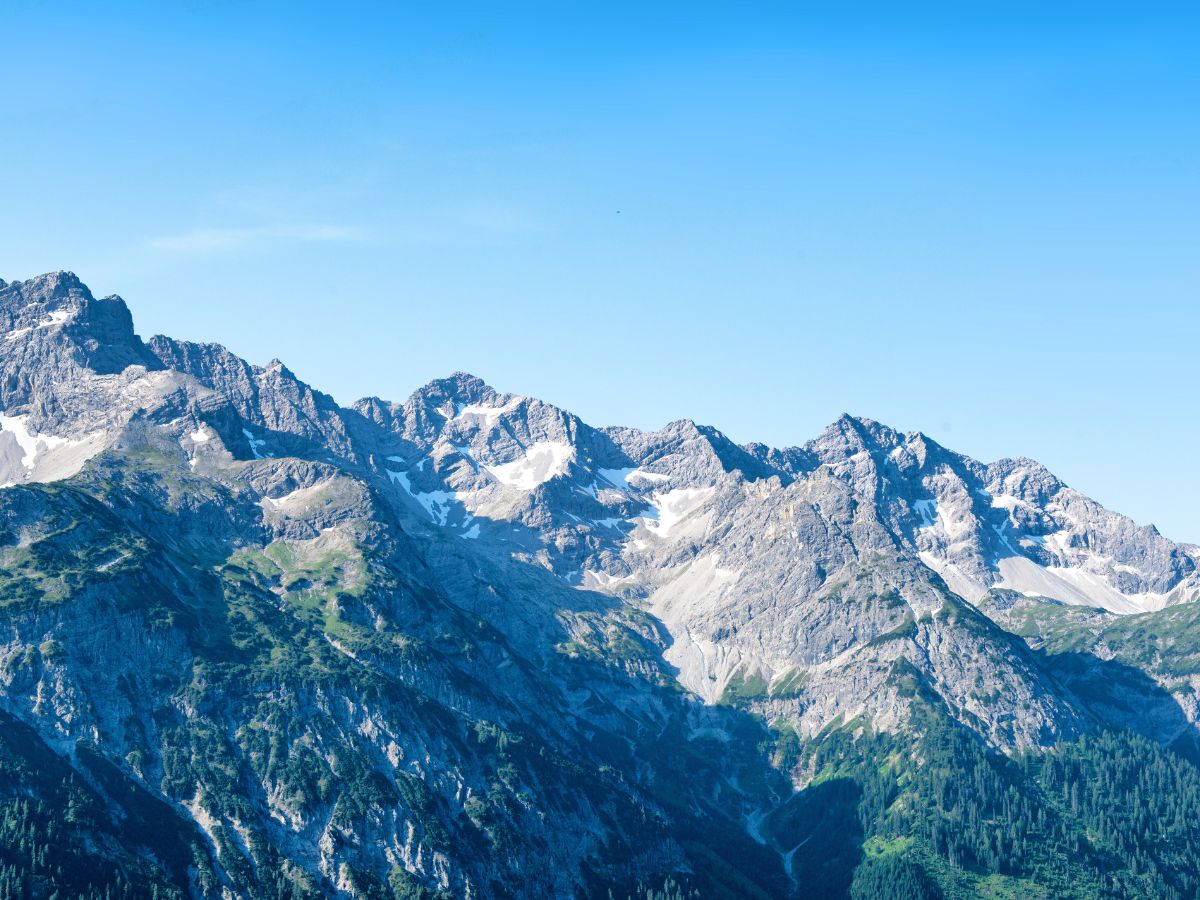
The experiment is taking place in a tunnel originally built for a railway project. The Alps, straddling Switzerland and Italy, are ideal for this study because they are deeply faulted. Millions of years of tectonic activity have left a network of cracks and scars beneath the mountains, where rocks occasionally slip, triggering small natural tremors.
Using the tunnel, researchers are pumping water into one of these fault lines to reduce friction and artificially induce earthquakes an approach similar to wastewater injection in oil and gas operations. This controlled setup allows scientists to monitor every movement with thousands of seismometers and accelerometers placed directly on the fault.
“These earthquakes would have happened naturally over time,” Giardini explains. “We’re just controlling when they happen so we can study them closely.”
Small Tremors, Big Insights
So far, the FEAR project has triggered hundreds of thousands of tiny quakes, all of magnitude zero a scale where earthquakes are barely perceptible. In March, researchers plan to increase the magnitude to one, and they will also experiment with injecting hot water into the faults to study the effect of temperature on earthquake evolution.
The ultimate goal is to identify the precise conditions that trigger earthquakes of various magnitudes. Understanding these factors could eventually allow scientists to assess which faults are more dangerous and predict the likely size of future quakes.
Climate Change and Earthquakes
The study also intersects with climate change. As global warming accelerates glacier melting in mountain regions, meltwater seeps into the rocks beneath, increasing the likelihood of earthquakes. Recent studies under Grandes Jorasses in the Mont Blanc massif show that heat waves and glacier melt correlate with surges in small tremors.
“This research helps us see how the geosphere is responding to climate change,” says Toni Kraft, seismologist at ETH Zürich. “Small tremors may not cause damage, but they can increase the probability of larger, destructive earthquakes over time.”
A New Era in Earthquake Science
By deliberately triggering earthquakes in controlled conditions, scientists hope to bridge a long-standing gap in seismology detecting the precursors of earthquakes before they strike. This could revolutionise disaster preparedness and early warning systems, not only in the Alps but across seismically active regions worldwide.
“Ultimately, if we can understand how to trigger a quake of any magnitude in the lab, we can start to predict which faults in the real world are dangerous,” Giardini says. “This could save countless lives in the future.”
ALSO READ: Have Mini-Objects Escaped 3I/ATLAS? Loeb Says They May Have Already Travelled a Million Kilometres
Sofia Babu Chacko is a journalist with over five years of experience reporting on Indian politics, crime, human rights, gender issues, and stories about marginalized communities. She believes journalism plays a crucial role in amplifying unheard voices and bringing attention to issues that truly matter. Sofia has contributed articles to The New Indian Express, Youth Ki Awaaz, and Maktoob Media. She is also a recipient of the 2025 Laadli Media Awards for gender sensitivity. Beyond the newsroom, she is a music enthusiast who enjoys singing. Connect with Sofia on X: https://x.com/SBCism




