
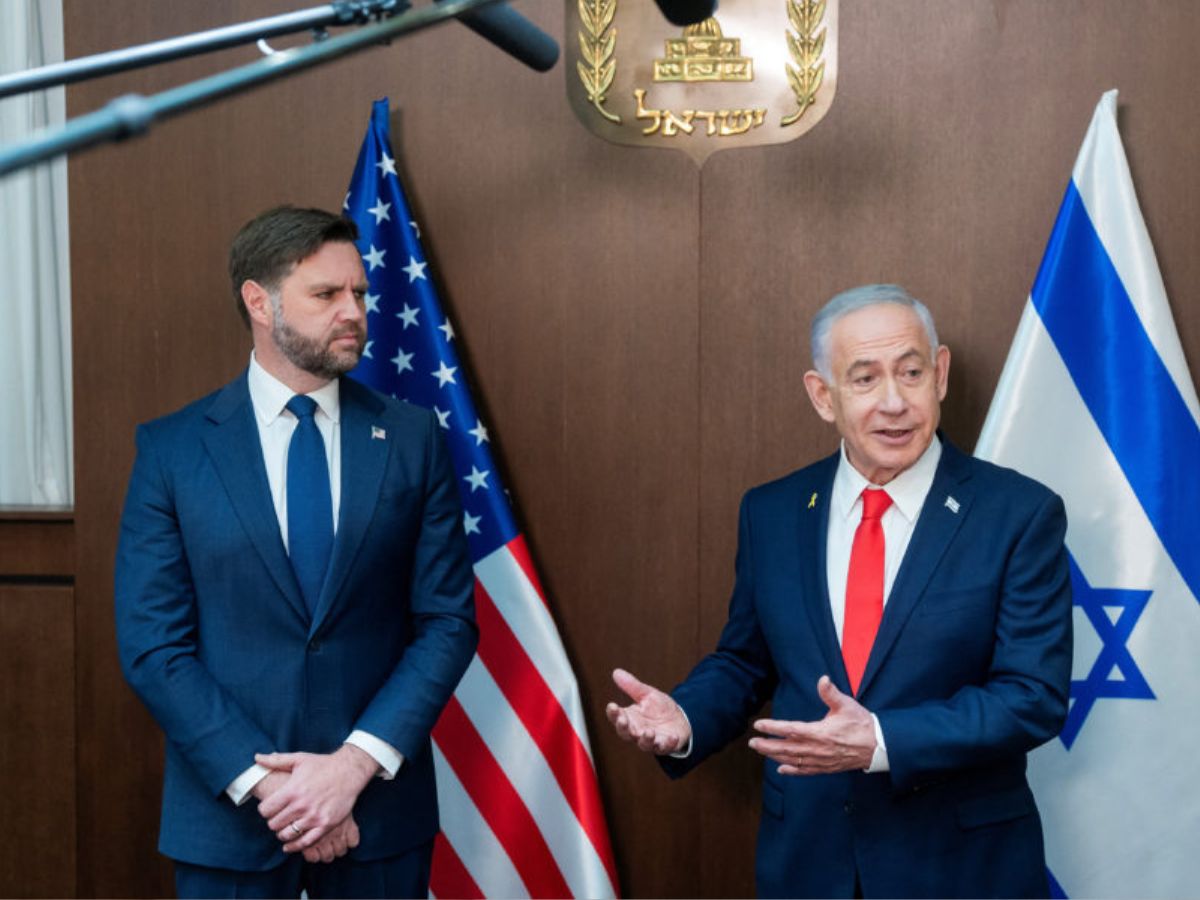

Israeli Prime Minister Benjamin Netanyahu has rejected claims that his conversation with US Vice President JD Vance disrupted ongoing US-Iran negotiations, saying the collapse of talks was driven by actions on the American side.
Netanyahu Pushes Back On Iran’s Claims
The remarks came after Iran’s foreign minister Seyed Araghchi suggested that Netanyahu had spoken to Vance ahead of crucial negotiations in Islamabad, hinting that the call may have influenced the outcome.
However, Netanyahu dismissed the suggestion, maintaining that the talks broke down due to disagreements between Washington and Tehran, not because of any external intervention.
‘Breakdown Came From American Side’
Speaking during a cabinet briefing, Netanyahu said the turning point in the negotiations came when the United States refused to accept what he described as Iran’s violation of agreed conditions.
He said there had been an understanding that Iran would halt hostilities and immediately allow access as part of the negotiation process. According to him, Iran failed to meet these expectations, prompting a strong response from the US side.
Netanyahu also revealed that Vance had been in touch with him again while returning to the United States after the talks ended without a deal.
Strait Of Hormuz Tensions And US Blockade Move
The breakdown in talks comes amid rising tensions around the Strait of Hormuz, a critical route for global oil and gas shipments. Maritime traffic through the region has been restricted since the conflict escalated, with Iran reportedly allowing limited passage to select vessels.
Following the failed negotiations, US President Donald Trump announced that the American military would begin enforcing a blockade of Iranian ports. The move is set to apply to vessels attempting to enter or leave ports along the waterway.
The decision targets one of the world’s most important energy corridors, through which a significant share of global oil supply passes, raising concerns about further disruption to international markets.
Netanyahu reiterated that the core demand from Washington remains unchanged: the removal of Iran’s enriched material and a long-term halt to nuclear enrichment activities.




