
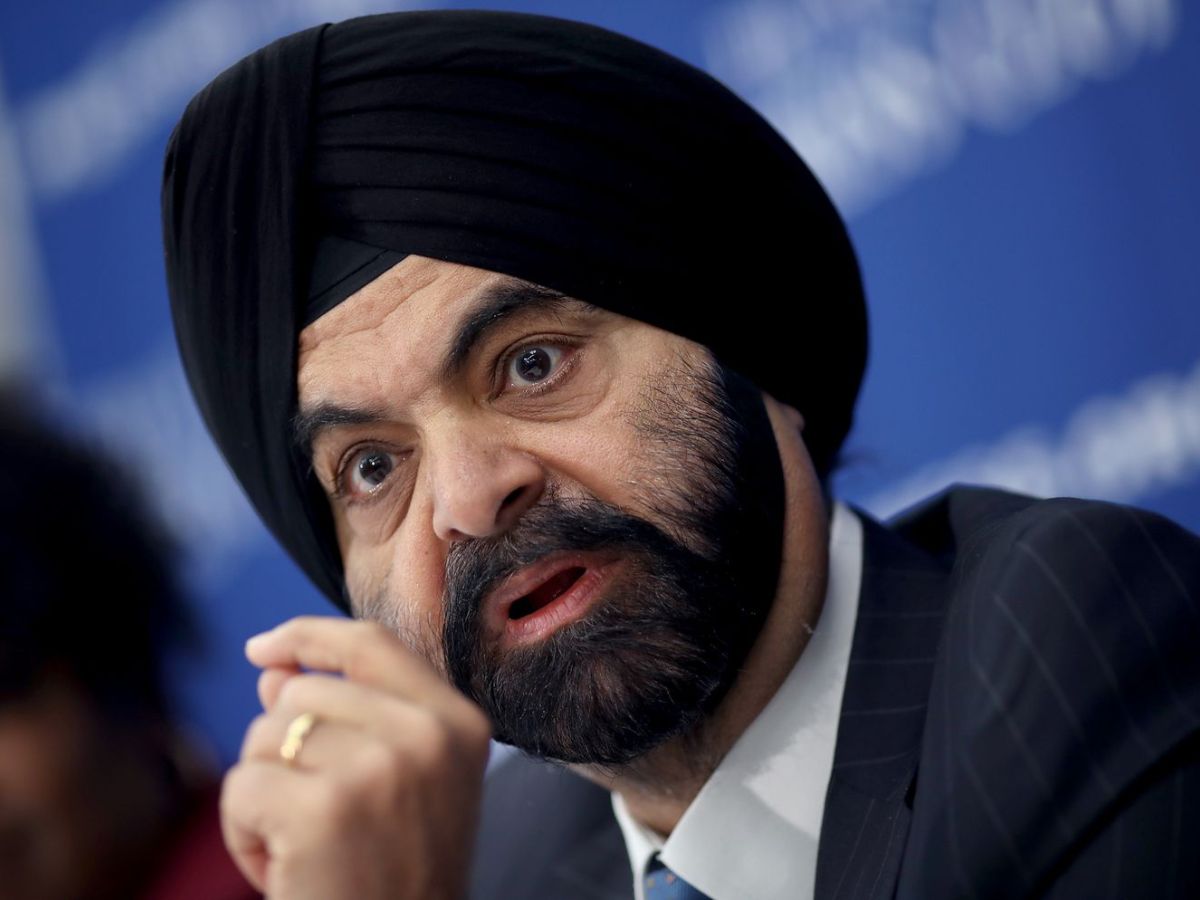

The ongoing conflict in the Middle East is expected to create ripple effects across the global economy, even if the temporary ceasefire announced by Donald Trump holds, according to World Bank President Ajay Banga.
He warned that the economic impact would worsen significantly if the ceasefire collapses and tensions escalate further.
Global Growth and Inflation at Risk
Banga noted that global economic growth could decline by 0.3 to 0.4 percentage points under a baseline scenario where the conflict ends early. However, if the war continues, the slowdown could reach up to 1 percentage point. Inflation is also expected to rise by 200 to 300 basis points, with a sharper increase of up to 0.9 percentage points in a prolonged conflict.
The war has already claimed thousands of lives and pushed oil prices up by nearly 50 percent. It has also disrupted the supply of key resources such as oil, gas, fertilizers, and helium, while affecting tourism and air travel.
Meanwhile, the two-week ceasefire announced by Trump remains uncertain, as strikes between Israel and Iran continue. Iran has stated that the release of its blocked assets and a ceasefire in Lebanon are necessary conditions before moving ahead with planned talks with the United States in Pakistan. Trump also indicated that U.S. warships are being restocked with ammunition in case negotiations fail.
Questions Over Lasting Peace and Strait of Hormuz
“The question really is, does this current peace and the negotiations that are going to be happening this weekend – will this lead to a lasting peace and then a reopening of the Strait (of Hormuz)?” said Banga. “If it doesn’t lead to that, and if conflict were to break out again, would that have an even larger impact, or longer-term impact on energy infrastructure?”
Banga said the world’s largest development bank was already in discussions with some developing countries, including small island states with no natural energy resources, about tapping funds from existing programs under “crisis response windows.”
The World Bank’s crisis toolkit allows countries to tap previously approved but not yet disbursed funds without additional board approvals, increasing flexibility.
Caution Against Unsustainable Energy Subsidies
But Banga said the bank was cautioning countries to avoid setting up energy subsidies that they could not afford, which would trigger even bigger problems in the future.
“I worry about making sure that they can come through this crisis, targeting what they need to do, but not doing anything that further deteriorates that fiscal space,” he said.
Many developing countries also have high debt levels and interest rates remain high, which constrains their ability to borrow money to fund measures to respond to the jump in energy costs and other goods caused by the war.
The crisis has put a fresh spotlight on the need for countries to diversify energy supplies and boost self-sufficiency, Banga said. The World Bank last June ended a longstanding ban on funding nuclear energy projects as part of a push to meet rising electricity needs.
Nigeria Benefits From Refinery Investments
Nigeria, which had long faced problems, stood to benefit from a $20 billion investment made by the Dangote Group in refineries, which had actually increased output during the war, and was now supplying aviation fuel to neighboring countries.
“Nigeria should be breathing a sigh of relief. They’ve built up the ability to have energy security for themselves through that huge investment,” he said. “It’s actually a really good example of the right thing being done in terms of energy self-sufficiency for them, but also for their neighbors.”
The World Bank is also working closely with Mozambique, another African country, to expand its energy production capabilities in both natural gas and hydropower.
The World Bank had many energy products in the pipeline, Banga said, noting that talks were under way with some countries looking to extend the life of their fleets of nuclear reactors, and others keen to move into nuclear power.
“If you don’t get nuclear and hydro and geothermal going at scale, along with wind and solar, they will end up doing more with traditional fuels, and nobody really wants that,” he said.
(With Inputs from Reuters)
I am a content writer with 2.5 years of experience, currently working at ITV Digital. I cover a wide range of topics including entertainment, world news, India news, crime, and astrology, along with writing engaging lifestyle stories and reviews. With a flair for storytelling and a keen eye for trends, I aim to deliver fresh, reader-friendly content across diverse subjects.




