
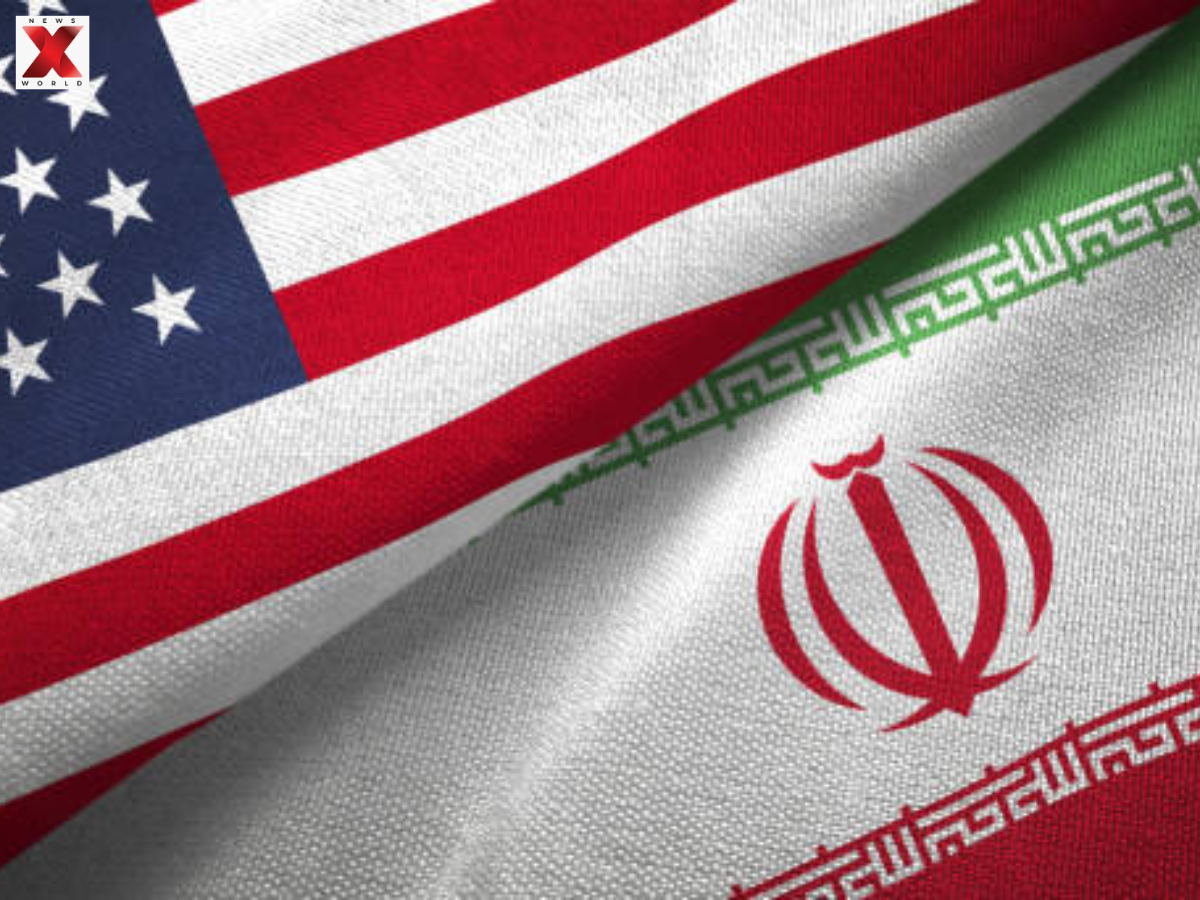

Iran isn’t backing down on uranium enrichment, even after the U.S. pushed them to stop or at least move it offshore during indirect talks in Oman.
Still, both sides want to keep the conversation going and avoid things getting out of hand.
Iran Rejects U.S. Call to Halt Uranium Enrichment
Oman’s been playing diplomat here, but honestly, there’s not much progress on the big issues.
These talks kicked off Friday in Oman with Iran’s foreign minister Abbas Araghchi and the U.S. team led by special envoy Steve Witkoff. Araghchi is representing Iran, and Witkoff heads up the Americans.
They’re mostly talking about Tehran’s nuclear program. The timing’s tense—just last week, there was talk of bringing in other regional countries for talks in Turkey, but that didn’t happen.
Oman’s role? The Foreign Ministry put out a statement saying al-Busaidi met with both Araghchi and, separately, with Witkoff and Jared Kushner.
Iran–U.S. Nuclear Talks Continue Amid Rising Regional Tensions
According to Oman, the goal is to “prepare the right conditions to resume diplomatic and technical negotiations.” They also stressed how important these talks are for lasting security and stability in the region.
On the ground, things are still shaky. Iran’s leaders are on edge, worried that Trump could actually make good on his threats, especially now that the U.S. Navy has beefed up its presence nearby.
Not too long ago, the U.S. hit Iranian nuclear sites, joining the tail end of a 12-day bombing campaign by Israel. Iran responded by saying it stopped enriching uranium.
All this comes less than a month after massive protests erupted across Iran, demonstrations the authorities crushed with a level of force rights groups say killed thousands.
Trump, for his part, didn’t hold back. After Iran cracked down on protesters, he threatened military action and told demonstrators, “help is on its way.”
Just this Thursday, Trump claimed Iran is at the table because “they don’t want us to hit them, we have a big fleet going there,” pointing to the aircraft carrier group he likes to call an “armada.”




