
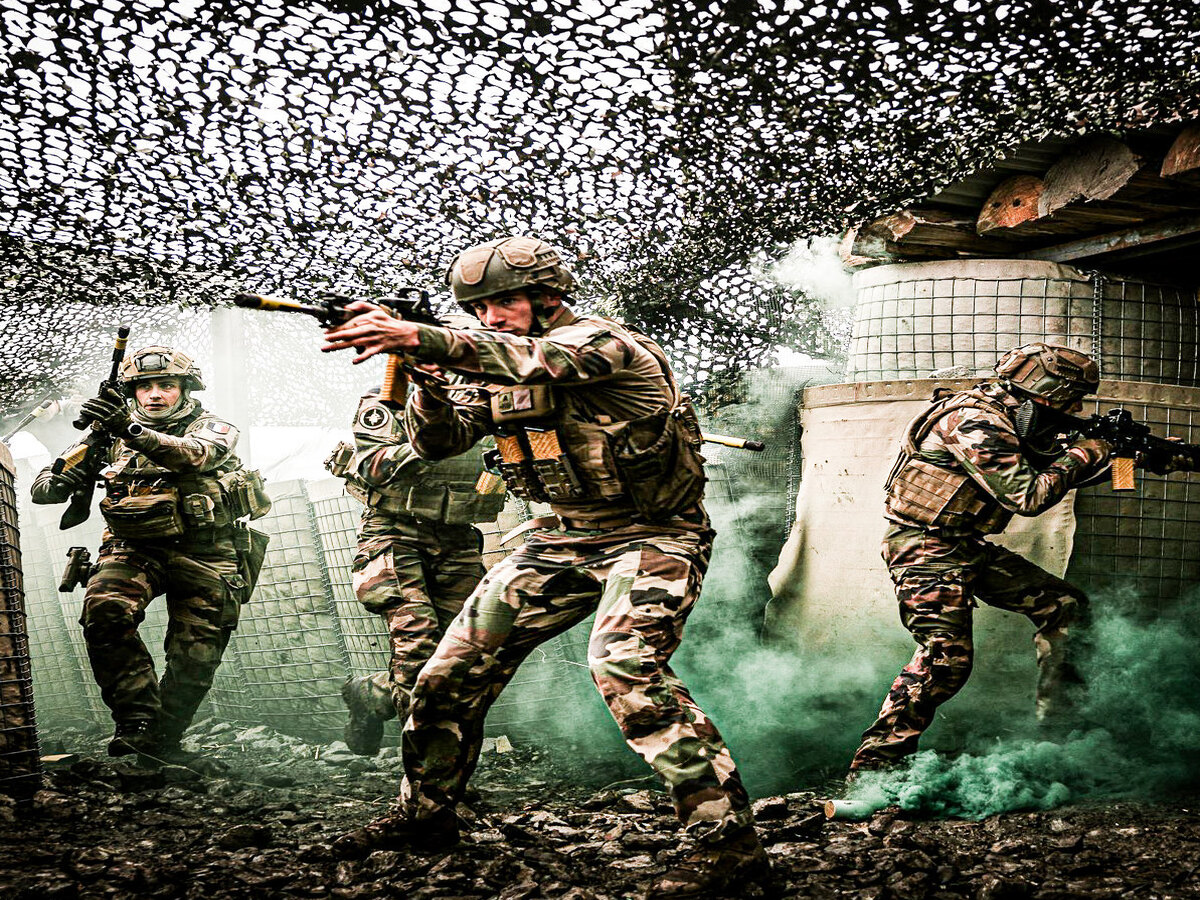

Six kilometres from the Russian border in northern Poland, office administrator Agnieszka Jedruszak is learning how to fight. Dressed in military fatigues with camouflage on her face, she is digging a trench during voluntary army training. Like thousands of other Poles, she is preparing for the worst, which is a possible war with Russia.
Jedruszak, 36, says her biggest reason for joining the training is her 13-year-old son. “I’d do anything to keep my child safe. And I would definitely want to fight to protect him,” she said.
Poles Turn to Voluntary Training Amid Rising Tensions
Poland has a painful history with Moscow, having lived for decades under Soviet control. That memory, along with Russia’s invasion of Ukraine in 2022, has left many Poles fearful of renewed aggression. Those fears grew stronger this week after Poland shot down Russian drones that entered its airspace. This is the first time a NATO country has fired during Russia’s war on Ukraine.
The Kremlin dismissed Western worries, saying Russia posed no threat and accusing Europe of “emotional overload.” But many Poles are not convinced. Jedruszak’s training took place in Braniewo, at a base where South Korean K-2 tanks thunder across sandy fields. Poland bought 180 of these tanks in 2022 as part of a major military deal.
Defence Spending Soars as Poland Becomes NATO’s Top Contributor
For Jedruszak, preparing for a possible conflict is always at the back of her mind. “It’s always somewhere in my thoughts: the idea that something could happen,” she said.
Over 20,000 Poles participated in voluntary military training till July 2025, Colonel Grzegorz Wawrzynkiewicz said. He is hopeful that the numbers will swell to 40,000 by December 2025.
Since Russia’s invasion of Ukraine, Poland has more than doubled defence spending, rising from 2.2% of its economy in 2022 to 4.7% in 2025. This makes it NATO’s top spender, ahead of Germany, France, and Britain.
Doubts over America’s role in Europe, especially after Donald Trump’s return to the White House, have added urgency. Prime Minister Donald Tusk says Europe must take more responsibility. For citizens like Jedruszak, readiness feels essential for survival.




