
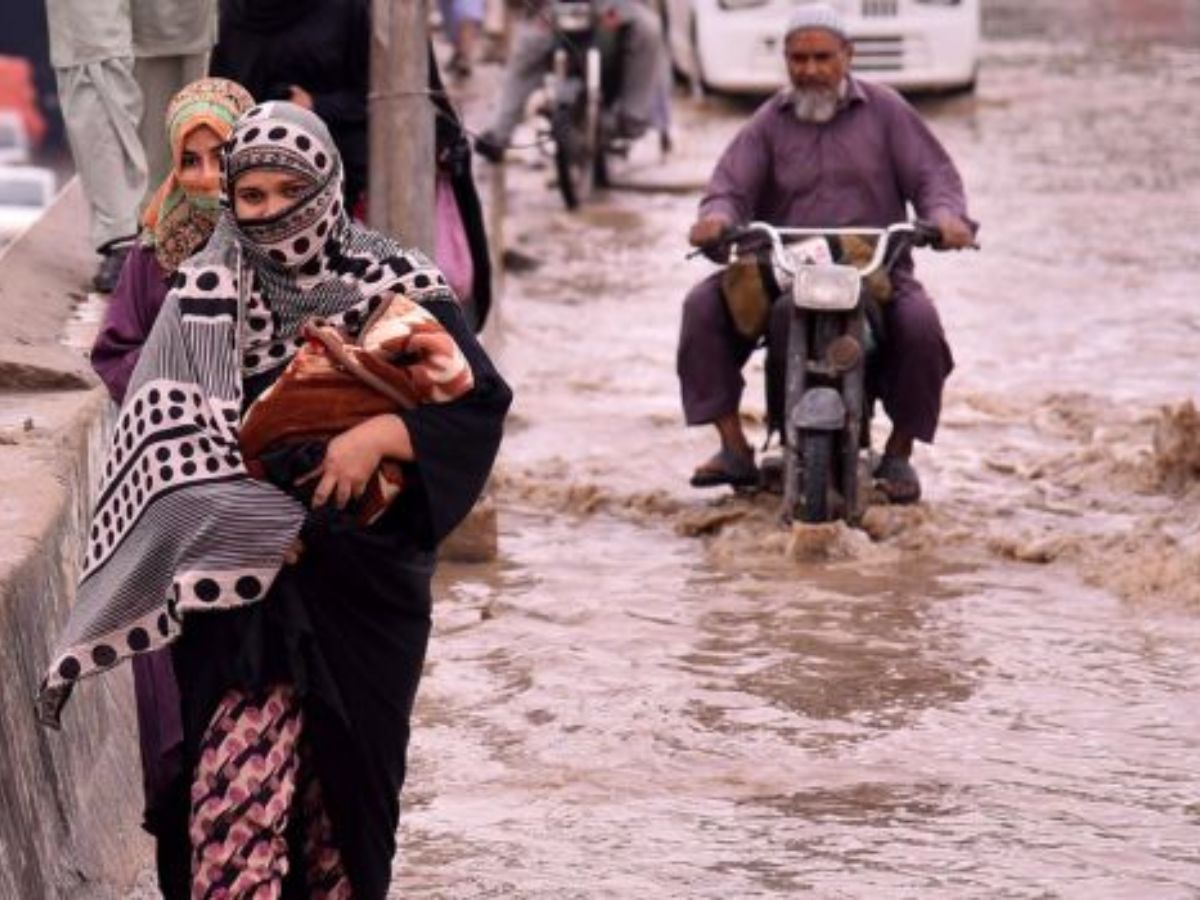

In Pakistan’s border regions with Afghanistan, continuous rainfall together with sudden flooding has caused two weeks of severe humanitarian destruction to the entire area.
The Provincial Disaster Management Authority (PDMA) of Pakistan’s Khyber Pakhtunkhwa (KP) province reported 45 deaths, which included 23 children and other vulnerable individuals. The situation in Afghanistan has become more critical because the country recorded 77 fatalities since the end of March.
The extreme weather has created disaster areas in peaceful villages because residential areas became unsafe for people after their building structures collapsed from saturated ground conditions.
Khyber Pakhtunkhwa Infrastructure Damage
The downpours have created extreme weather conditions, which result in infrastructure destruction across twenty districts in northwest Pakistan. The PDMA reported that about 442 homes suffered destruction, which reached a critical point for structural integrity throughout the entire region.
The analysis found that 60 homes suffered total destruction, whereas 382 homes experienced partial destruction through roof and wall collapses. The active weather cycle has resulted in physical destruction, which has displaced hundreds of families from their homes.
Emergency services, which include Rescue 1122, remain on high alert while they attempt to reach blocked transit routes for relief operations. The weather system will continue until April 9, so authorities have established strict travel restrictions that prevent non-essential travel to dangerous areas.
Afghanistan Flash Flood Casualties
The current climate pattern experiences extreme fluctuations in Afghanistan because flash floods are increasing, which resulted in 137 injuries and 77 deaths. The fatalities have been particularly heartbreaking in provinces like Ghazni and Kandahar because sudden deluges have claimed the lives of children playing outdoors and families trapped beneath collapsing roofs.
The floods have resulted in human fatalities together with extensive agricultural destruction and critical road shutdowns, which include the partial closure of the main highway that connects Kabul and Jalalabad.
The Afghan National Disaster Management Authority (ANDMA) tracks water level increases while lightning strikes and landslides create additional challenges for regional recovery operations.
A recent media graduate, Bhumi Vashisht is currently making a significant contribution as a committed content writer. She brings new ideas to the media sector and is an expert at creating strategic content and captivating tales, having working in the field from past four months.




