

Pakistan has not yet announced any restrictions on mountain climbing, even after a recent streak of tragedies on the South Asian country’s peaks. “Climbers were well aware of the harsh weather and all the other risks and challenges,” Gilgit‑Baltistan spokesperson Faizullah Faraq told The Associated Press recently, adding, “Despite that, they willingly accept these challenges and come here to attempt these summits.”
Tragic Deaths on Mountain Peaks
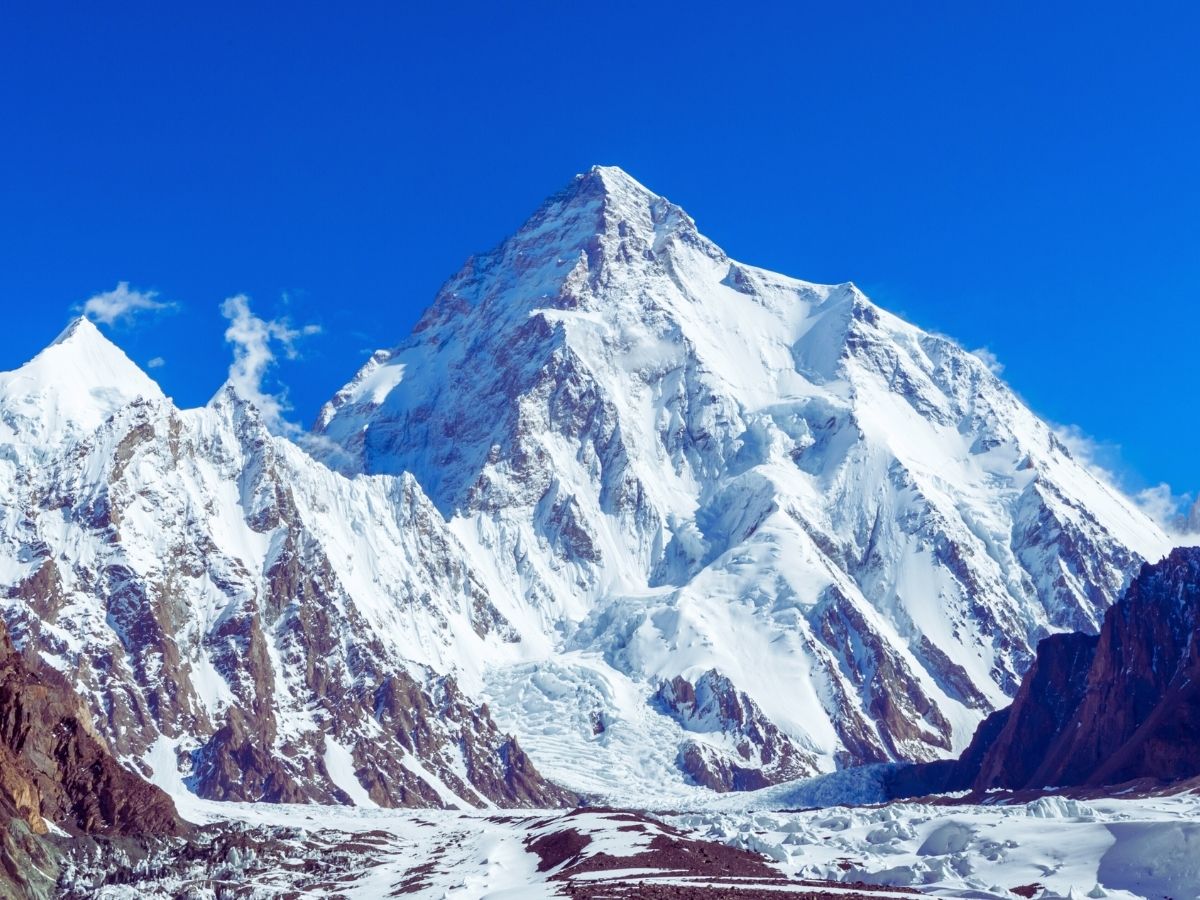
The most recent fatality included a 37-year-old Chinese climber who was struck by falling rocks while descending from the K2, just a day after summiting. Rescue teams recovered Guan Jing’s body, which is now believed to be at the Combined Military Hospital in Skardu, with the local authorities reportedly coordinating with Chinese officials about the next course of steps.
Weeks earlier, German Olympic biathlete Laura Dahlmeier had also lost her life during an ascent of Laila Peak, Reuters reported.
Safety Upgrades and Economic Lifeline
Faraq stressed that authorities are enhancing infrastructure, rescue capabilities and security for climbers, while also highlighting how importaant tourism and expeditions are to the local economy. “Mountaineering expeditions are the backbone of the local economy, bringing in millions of dollars in direct revenue,” AP quoted him as saying.
Between May and September every year, hundreds of climbers go to Gilgit‑Baltistan, offering sustenance to local families, many of whom rely on guiding and portering work to feed their loved ones around the year.
Risks Are Real And Ever-Present
Avalanches, rockfall, and sudden weather changes are constant threats in the mountainous regions. Accidents happen too often, like last August when two Russian climbers spent six harrowing days stranded before they were rescued, per AP.
Monsoon season has also hit hard this year, with Gilgit‑Baltistan — already facing landslides and flash floods — witnessing higher-than-normal rainfall resulting in disastrous consequences.




