
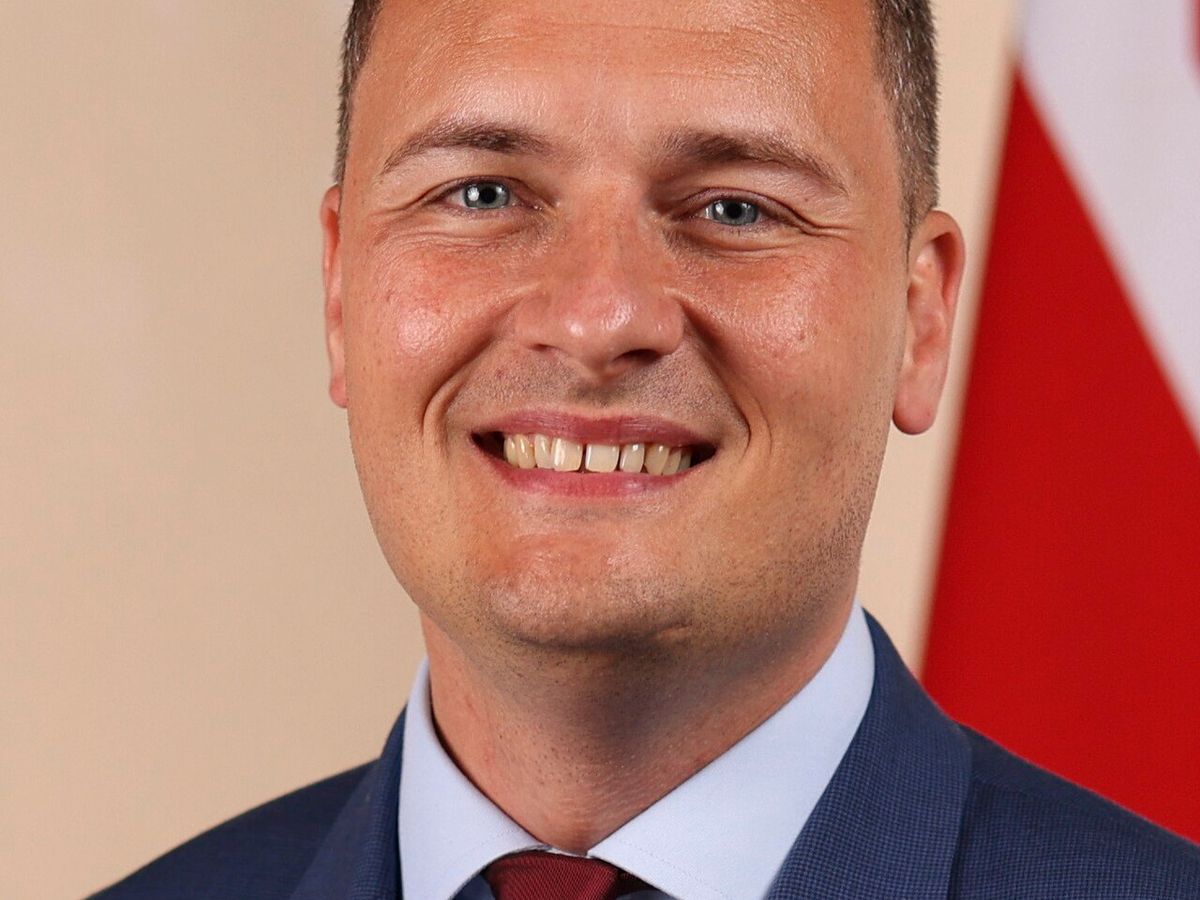
On Thursday, British Health Minister Wes Streeting resigned from the government, saying he no longer trusts the leadership of Prime Minister Keir Starmer.
In a letter shared on X, Streeting said he has lost confidence in Starmer’s leadership and feels it would not be right or honest to continue in his role in the government.
“It is now clear that you will not lead the Labour Party into the next general election and that Labour MPs and Labour Unions want the debate about what comes next to be a battle of ideas, not of personalities or petty factionalism,” he said.
In his resignation letter, the Labour leader said the process should be wide and include strong candidates. He also said he supports this idea and hopes it will be carried out properly.
Wes Streeting Resignation Sparks Political Shake-Up In UK Labour Party
Wes Streeting is the first senior minister to leave Keir Starmer’s cabinet, and this move is being seen by some as a possible sign of growing challenges to the Prime Minister’s leadership.
Keir Starmer has been under increasing pressure from within his own party to resign after Labour performed poorly in last week’s local and regional elections.
Growing Support and Internal Pressure Mount Against Keir Starmer
Supporters of Wes Streeting say he already has backing from around 80 MPs, which could help him take his case to Labour party members. However, they are still waiting to see whether cabinet ministers will also push Keir Starmer to resign, according to the BBC.
Wes Streeting is seen as one of the Labour leaders who could potentially challenge Keir Starmer in the future.
Criticising his leadership, Streeting wrote, ‘You have shown courage and statesmanship on the world stage, not least in keeping Britain out of the war in Iran. But where we need vision, we have a vacuum. Where we need direction, we have drift.’
Keir Starmer Refuses to Quit Amid Leadership Crisis in Labour Party
However, Keir Starmer has made it clear that he will not resign. He has also warned MPs that any leadership challenge could create “chaos” in the UK government at a time when it should be focused on important issues like the war in the Middle East and the rising cost of living.





