
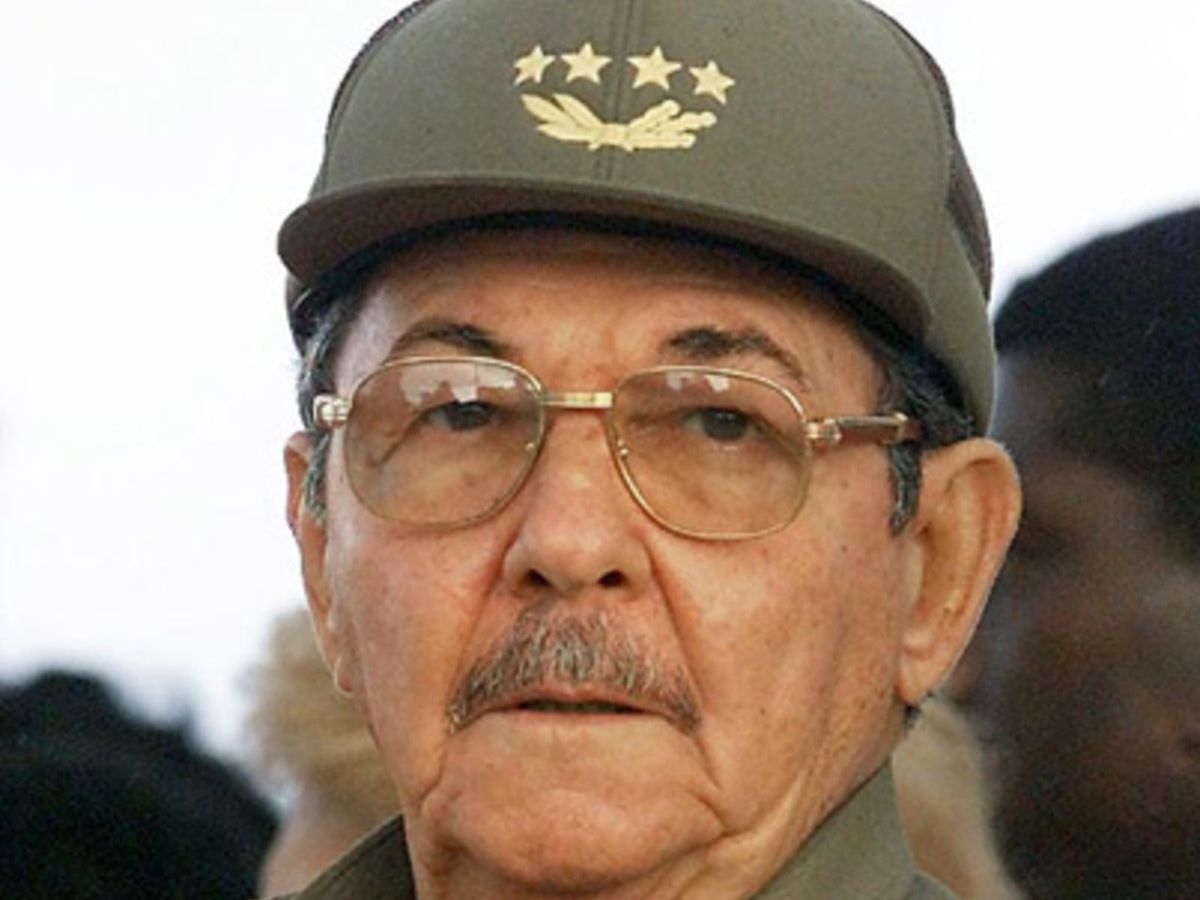
Raul Castro has been one of the most powerful men in modern Cuban history for more than six decades. He helped lead the Cuban Revolution with his brother Fidel Castro, oversaw Cuba’s military and later served as president, making him a key architect of the communist government that transformed the island nation.
Raúl Castro, born June 3, 1931, was a key guerrilla commander during the Cuban Revolution. With his brother Fidel, he led the 1959 rebellion that overthrew the U.S.-backed government of Fulgencio Batista and established the Western Hemisphere’s first communist state.
Raúl Castro’s Rise as Cuba’s Military Powerhouse
Raul Castro’s Rise as Cuba’s Military Powerhouse After the revolution, Raúl Castro became Cuba’s Minister of the Revolutionary Armed Forces, a post he held from 1959 until 2008. Over nearly five decades, he built one of the country’s most powerful institutions and played a major role in shaping Cuba’s military strategy during the Cold War. During his tenure, Cuban forces helped repel the U.S.-backed Bay of Pigs Invasion in 1961. Raúl also managed Cuba’s military involvement in various foreign wars, especially in African nations with socialist movements.
Fidel Castro was gravely ill in 2006, and Raúl was made acting president, then president in 2008. He pledged to maintain the ideals of the Cuban Revolution while modernizing some aspects of the country’s economic and political systems.
Economic Reforms and US-Cuba Diplomacy
Economic Reforms and US-Cuba Diplomacy: Raúl Castro was considered a more pragmatic administrator than his brother, who maintained a rigid economic model. He initiated modest market reforms to help revive the ailing state-controlled economy. His government relaxed restrictions on consumer ownership, letting Cubans buy items such as cell phones and personal computers, and allowed small private businesses to operate. The reforms were one of the most significant economic shifts in Cuba since the revolution.
One of the high points of Raúl Castro’s presidency was the easing of diplomatic relations between Cuba and the United States under President Barack Obama. Diplomatic relations were reestablished, culminating in Obama’s historic 2016 visit to Havana.
ALSO READ: Watch: White House Under Attack By Huge Swarm Of Bees, Evacuation Ordered
Retirement and Renewed International Scrutiny
Retirement and Renewed International Scrutiny Raúl Castro handed over the baton of power to Miguel Díaz-Canel when he stepped down as Cuba’s president in 2018. In 2021, he also retired as First Secretary of Cuba’s Communist Party, formally ending the Castro family’s direct rule over Cuba after more than 60 years.
Castro is out of public office but remains an influential political figure in Havana. Now 94 years old, Raúl Castro has once again become the focus of international attention following reports that the United States Department of Justice is pursuing a potential criminal indictment against him. The reported case is tied to the 1996 shootdown of two civilian aircraft operated by Brothers to the Rescue, an incident that killed four people, including three American citizens. US investigators are reportedly examining whether Castro played a direct command role in authorizing the attack.
Harshita is a journalist and digital content writer specializing in breaking news, current affairs, travel, education, and trending stories. She is focused on delivering accurate, timely, and engaging content with a strong emphasis on clarity and audience relevance.





